Italy PM Giorgia Meloni Applies to Trademark Voice Against Deepfakes
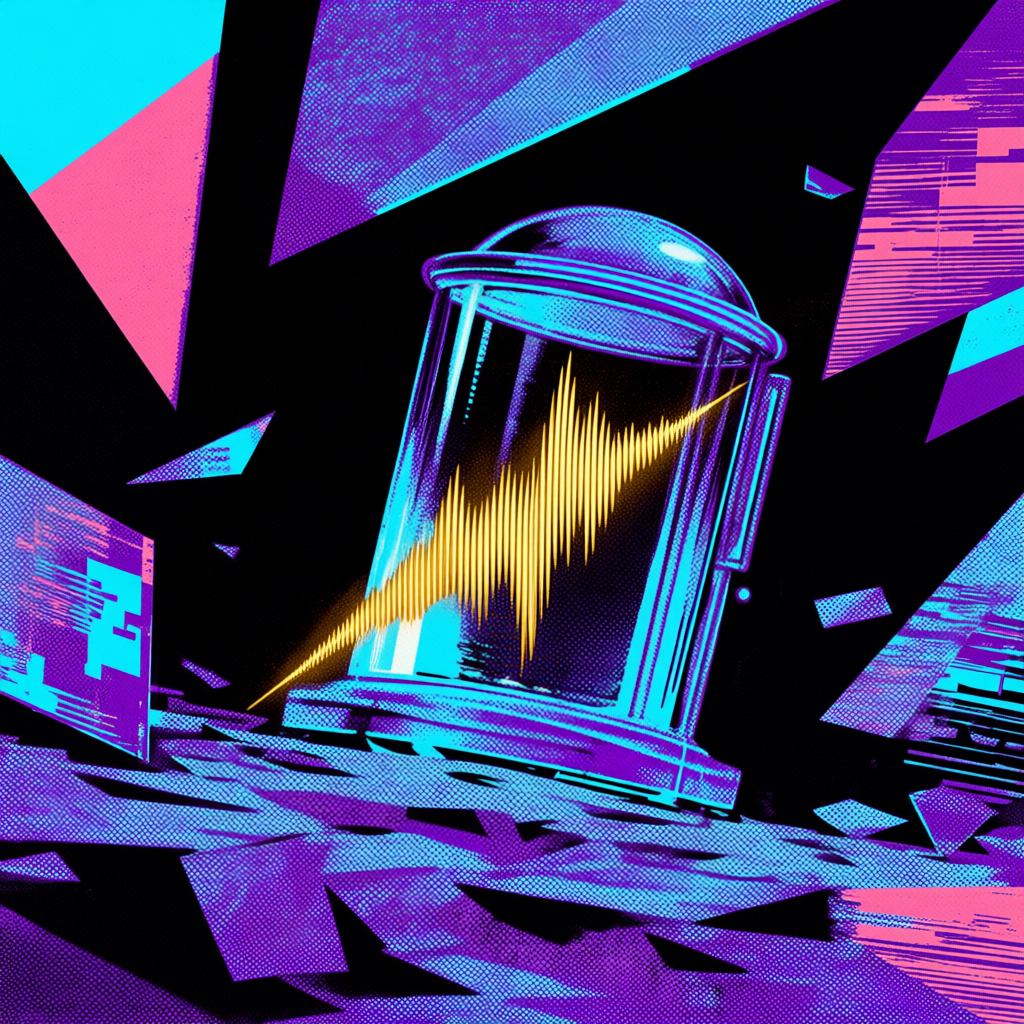
- PM Giorgia Meloni filed a sound trademark application with the EUIPO for a 4-second audio clip.
- The move targets the rise of AI voice cloning and deceptive deepfakes used for political misinformation.
- The trademark covers specific categories including downloadable multimedia and political events.
- Legal experts suggest this creates hurdles for infringers rather than a total technical block.
The battle against synthetic media has moved from the realm of content moderation to the halls of intellectual property law. In a strategic move to safeguard her digital identity, Italian Prime Minister Giorgia Meloni has officially applied to the European Union Intellectual Property Office (EUIPO) to trademark her own voice. This application, filed on October 5, 2026, represents one of the most high-profile attempts by a world leader to use commercial trademark law as a shield against the proliferation of artificial intelligence deepfakes.
A four-second sonic fortress
The core of the application is deceptively simple: a four-second audio recording. In this clip, the Prime Minister repeats the phrase 'Io sono Giorgia Meloni' (I am Giorgia Meloni) twice. The choice of words is not accidental; it mirrors the title of her 2021 autobiography and echoes a definitive declaration made during a 2019 political rally, which later became a cultural touchstone and even a disco track in Italy.
By registering this specific sound mark, Meloni is not seeking a blanket monopoly over every vibration of her vocal cords in every possible context. Instead, she is establishing a legal benchmark for her identity. The application is currently 'under examination' by the EUIPO, meaning the office must determine if the sound mark is distinctive enough and meets the regulatory requirements for registration.
Targeting the AI cloning epidemic
The impetus for this legal maneuver is the escalating threat of generative AI. Voice cloning technology now allows bad actors to create near-perfect replicas of a person's timbre, cadence, and accent using only a few minutes of source audio. For a head of state, the risks extend beyond mere annoyance to national security threats, where a fake audio clip could be used to manipulate markets or incite political instability.
Meloni has already been a target of such digital warfare. Beyond the potential for audio fraud, she has faced a wave of manipulated imagery. Reports indicate that manipulated images of the Prime Minister have circulated online, including highly offensive deepfake pornographic content. In 2024, she took the aggressive step of launching civil action against an individual in Sardinia accused of creating and posting such images, a case that remains pending in the Italian courts.
The scope of the sound trademark
Intellectual property law requires trademarks to be tied to specific classes of goods or services. Meloni's application does not claim ownership of her voice for all human activity, but focuses on three critical areas where AI misuse is most prevalent:
Downloadable multimedia content, cultural activities, and the organization of political events.
By narrowing the scope to these categories, the legal team—comprising a Rome-based law firm and a specialized intellectual property company from the Marche region—aims to create a clear legal trigger for infringement. If a deepfake audio clip is used in a political advertisement or a downloadable media file, the existence of a registered trademark provides a more streamlined path for legal recourse than relying solely on personality rights or defamation laws.
Legal hurdles versus technical prevention
While the move is a bold statement, legal analysts warn that a trademark is not a technical firewall. A registration at the EUIPO cannot stop a software engineer from training a model on Meloni's public speeches or prevent a bot from generating a fake clip in a basement halfway across the world. The trademark does not erase the deepfake; it provides a weapon to sue those who distribute it for commercial or political gain.
The primary value of this strategy lies in the creation of 'legal hurdles'. For platforms and distributors, the presence of a registered trademark increases the risk of liability. It transforms a debate over 'truth vs. falsehood' into a clearer case of 'trademark infringement', which often allows for faster takedown notices and more predictable damages in court.
The broader fight for digital authenticity
Meloni's initiative highlights a growing gap in current legislation. While the EU has been a pioneer in AI regulation, the ability of individuals to 'own' their biometric data—including their voice—remains a complex legal grey area. The Prime Minister has publicly noted that while she possesses the resources and legal standing to defend herself, the average citizen is left vulnerable to the same AI-driven character assassinations.
This case serves as a litmus test for how public figures will navigate the era of synthetic media. By treating her voice as a brand asset, Meloni is attempting to pivot from a defensive posture (reacting to deepfakes) to a proactive one (establishing ownership). As AI tools become more accessible, the concept of the 'sonic identity' may become as essential as the passport or the social security number for those in the public eye.
Implications for the global business community
For entrepreneurs and firms in the USA, UK, and global markets, the Meloni case is a signal that the 'Wild West' era of AI content generation is meeting the rigid wall of intellectual property law. In the US, where the First Amendment provides broad protections for parody and political speech, a similar move would face significant constitutional challenges. However, the trend toward 'Right of Publicity' laws is strengthening, particularly in states like California.
Businesses leveraging AI for voice-overs, virtual assistants, or marketing should take note of this shift. The risk is no longer just about copyrighting a script, but about the potential infringement of a biometric trademark. Companies should implement strict provenance checks for any AI-generated voices to avoid lawsuits that could be based on trademark law rather than just ethics. In the UK, where the legal framework is evolving post-Brexit, the intersection of AI and IP remains a high-risk area for firms that fail to secure explicit rights for synthetic replicas of human personas.
Ultimately, this move suggests that the future of digital identity management will not be solved by algorithms alone, but by a combination of technical watermarking and aggressive legal registration. For the global executive, the lesson is clear: in an age of perfect clones, the only thing that cannot be replicated is a legally registered title of ownership.
FAQ
Does this trademark mean Giorgia Meloni owns her voice entirely?
No. The application is for a specific sound mark (a 4-second clip) and is limited to specific categories like multimedia and political events, not a general monopoly over her voice.
Can this stop AI from creating deepfakes of the Italian PM?
It cannot prevent the technical creation of a deepfake, but it provides a stronger legal basis to sue for infringement and request the removal of fake content.
Which agency is handling the registration?
The application was filed with the EUIPO (European Union Intellectual Property Office).
Why is this different from a standard defamation lawsuit?
Trademark infringement is often easier to prove and process than defamation, as it focuses on the unauthorized use of a registered mark rather than the intent or the 'truth' of the statement.
Sources: Ai4business, Laverita, Quifinanza ·
Scrivila qui: Susanna, l assistente AI di glacom, ti risponde via email con un approfondimento gratuito.
Nessuna consulenza personalizzata (finanziaria, legale o medica): solo informazione e fonti. Email usata solo per rispondere.
oppure scrivile su: WhatsApp · Telegram · SimpleX · Delta Chat · Email