



How to Imagine Alternatives to Scarcity: The Mark Fisher Guide
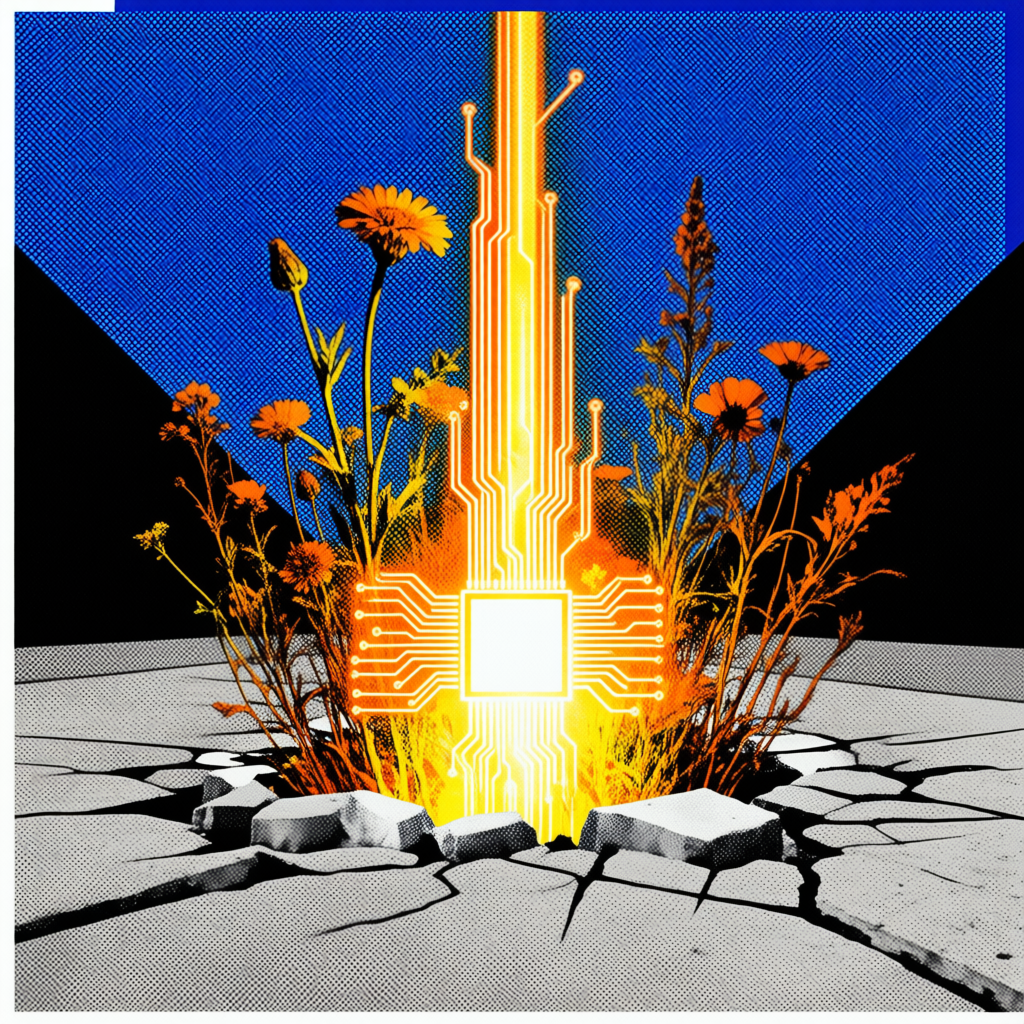
- Capitalist realism creates a mental block that makes imagining systemic alternatives feel impossible.
- Mark Fisher distinguishes between right-wing accelerationism and a left-wing path toward human emancipation.
- The concept of the crashed present explains why modern culture relies on nostalgia and high-resolution repetition.
- Overcoming the ghost of scarcity requires a conscious effort to envision a world not driven solely by profit.
The modern entrepreneur is often taught that the market is an immutable law of nature, similar to gravity. This pervasive belief—that there is no viable alternative to the current economic system—is what the late theorist Mark Fisher termed capitalist realism. For those operating in the tech and business sectors, understanding this concept is not merely an academic exercise; it is a prerequisite for anyone attempting to innovate beyond incremental improvements.
The mental architecture of capitalist realism
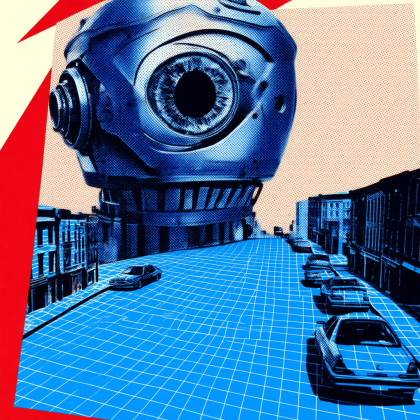
Capitalist realism does not function as a formal ideology that people consciously subscribe to. Instead, it operates as a background atmosphere, a pervasive sense that the current system is the only one possible. Fisher argued that the victory of the dominant economic model was not achieved by promising a brighter future, but by successfully denying that any other future could exist. In this framework, innovation is reduced to faster connections and higher-resolution screens, while the underlying systemic structures remain stagnant.
This creates a psychological state where the collective imagination is paralyzed. When business leaders or policymakers face systemic crises, the default response is often to manage the decline rather than to redesign the system. This stagnation leads to what is described as a crashed present, a state where the present feels littered with the ideological debris of failed futures, leaving us in a loop of cultural repetition and nostalgia.
Identifying the ghosts of scarcity
One of the most unsettling aspects of the current economic landscape is the coexistence of extreme waste and artificial scarcity. Fisher pointed to the eerie nature of empty luxury skyscrapers in major US cities—residential towers that serve as financial assets in portfolios rather than homes for people. These ghost towers are physical manifestations of a system that prioritizes capital accumulation over human utility.
Similarly, the sight of perfectly edible food and packaged consumer goods filling dumpsters behind big-box stores reveals a systemic glitch. The scarcity experienced by many is not a result of a lack of resources, but a byproduct of a logic that demands the destruction of surplus to maintain price points and profit margins. These contradictions are the ghosts that haunt the modern city, signaling a world that could be free from such irrationality if we could only imagine it.
Divergent paths of accelerationism
To move beyond the stagnation of capitalist realism, some theorists look toward accelerationism. However, this is not a monolithic movement; it splits into two radically different directions based on the intended outcome of technological progress.
Right-wing accelerationism, associated with thinkers like Nick Land, provides the intellectual scaffolding for the turbo-capitalists of Silicon Valley. This school of thought views technological advancement as a means to accelerate the dissolution of human constraints in favor of a cold, market-driven intelligence. It is the philosophy of the broligarchs, where technology serves to concentrate power and automate the marginalization of the unfit.
Conversely, left-wing accelerationism suggests that the tools of technological development can be repurposed. Instead of using AI and automation to increase precariousness, this approach envisions using technology to overcome scarcity and liberate humanity from drudgery. The goal is to move through the current system to reach a point where technology serves human emancipation rather than corporate extraction.
Depression as a systemic condition
A critical component of Fisher's analysis is the reframing of mental health. Rather than viewing depression and anxiety as purely private, chemical imbalances, Fisher proposed that these are often collective conditions cultivated by the power structures of the market. The normalization of precarious work and the constant pressure of performance create a psychological environment where despair becomes a rational response to an oppressive reality.
By privatizing stress, the system prevents people from recognizing that their suffering is shared and systemic. When the inability to imagine a future becomes a widespread psychological trait, it reinforces the grip of capitalist realism, making the individual feel isolated in their failure rather than part of a collective struggle against a flawed model.
Strategies for imagining the impossible
If the primary barrier to change is the inability to imagine it, then the act of imagining becomes a political and economic tool. This is the core of what Fisher referred to as Acid Communism—a call to rediscover the hedonistic, liberating, and imaginative potential of collective existence.
The victory of capitalism was not in claiming the future, but in denying that a future is possible. Everything we can expect is just more of the same, but on higher resolution screens.
To break this cycle, entrepreneurs and thinkers must engage in a process of systemic questioning. This involves asking not just how to make a product more efficient, but why the product is necessary within a framework of scarcity. It requires a shift from a profit-centric model to one oriented toward general wellbeing, challenging the notion that the end of the world is easier to imagine than the end of the current economic logic, as noted in discussions on the ghosts of scarcity.
Global implications for international business
For executives and founders in the USA and UK, the theories of Mark Fisher offer a lens to understand the current volatility of the global market. In these regions, the lean startup culture and the gig economy have perfected the art of normalized precariousness. The reliance on venture capital often forces companies into a growth-at-all-costs trajectory that mirrors the right-wing accelerationism mentioned previously, where the goal is market dominance regardless of social or environmental externalities.
While the EU's AI Act focuses on the regulatory boundaries of technology, the broader challenge for Western businesses is the intellectual ceiling imposed by capitalist realism. Companies that can successfully integrate a model of sustainability that goes beyond greenwashing—actually imagining a post-scarcity distribution of value—may find a competitive advantage as the current model hits its ecological and social limits. The shift toward B-Corps and cooperatives represents a small but significant attempt to operationalize these alternatives in the Anglo-American market, moving from a logic of extraction to one of contribution.
FAQ
What is capitalist realism according to Mark Fisher?
It is the widespread belief that the current capitalist system is the only viable economic and social model, making it nearly impossible to imagine a systemic alternative.
How does right-wing accelerationism differ from left-wing accelerationism?
Right-wing accelerationism seeks to use technology to accelerate the market's dominance and dissolve human constraints. Left-wing accelerationism aims to use technological progress to overcome scarcity and achieve human emancipation.
Why does Fisher link depression to the economic system?
He argues that depression is often a collective condition caused by systemic precariousness and the lack of a hopeful future, rather than just an individual medical pathology.
What is the crashed present?
It is a state of cultural and ideological stagnation where society is unable to produce new futures, resulting in a reliance on nostalgia and the repetition of old forms in new formats.
Sources: Jacobinitalia, Domusweb, Lettera43 ·
Scrivila qui: Susanna, l assistente AI di glacom, ti risponde via email con un approfondimento gratuito.
Nessuna consulenza personalizzata (finanziaria, legale o medica): solo informazione e fonti. Email usata solo per rispondere.
oppure scrivile su: WhatsApp · Telegram · SimpleX · Delta Chat · Email