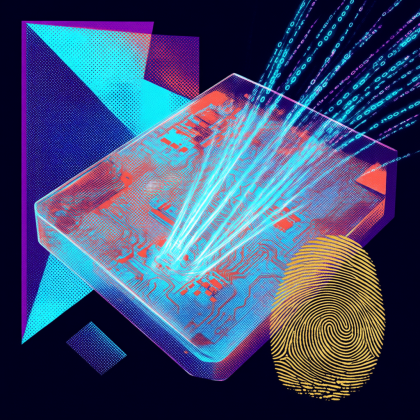




Digital Fingerprinting: The Tech Behind Device and File Identity
- MAC address databases allow firms to identify hardware vendors via OUI prefixes.
- File signatures (magic bytes) provide a reliable way to verify file types regardless of extensions.
- API integration of these tools streamlines network management and security auditing.
- Global infrastructure relies on these standards to maintain hardware and software interoperability.
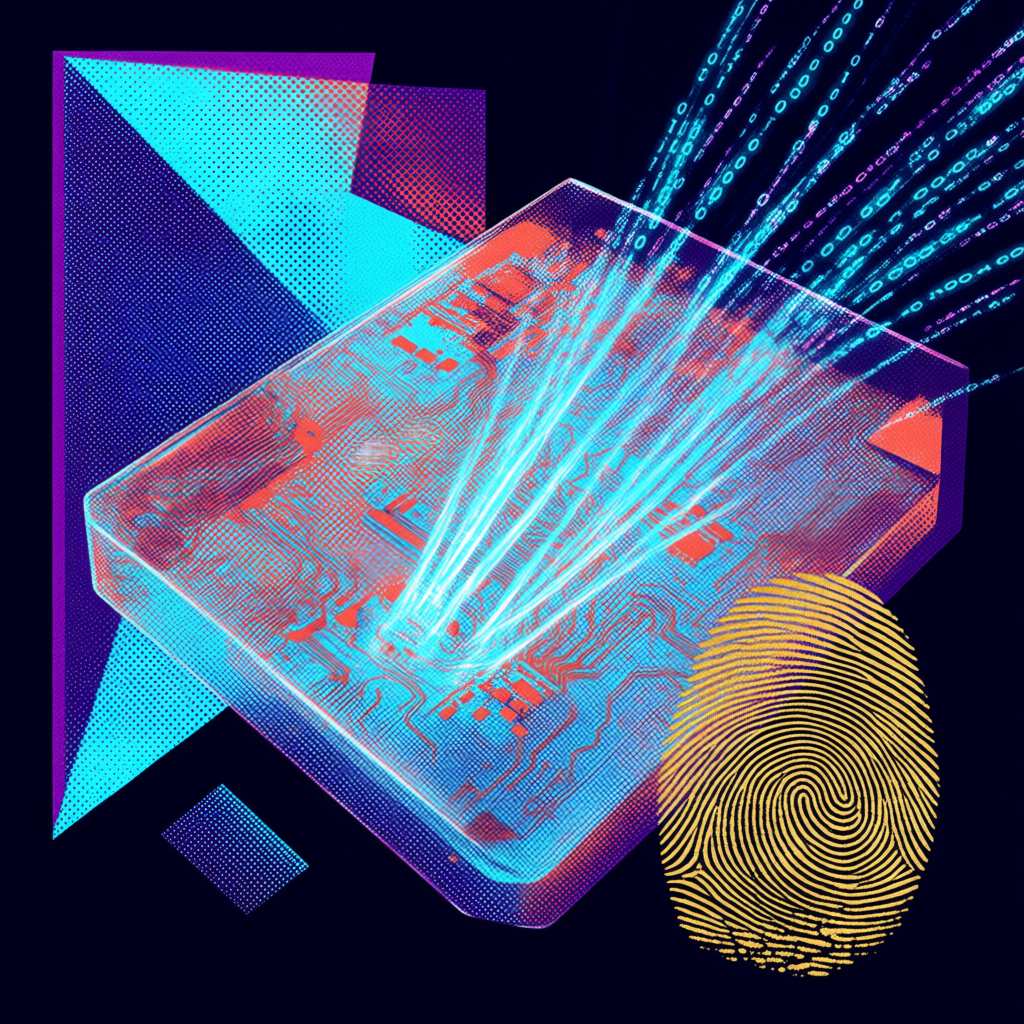
In the architecture of modern networking and data management, identity is everything. For an entrepreneur scaling a tech venture or a CTO securing a global enterprise, the ability to instantly identify a piece of hardware or verify the true nature of a file is not a luxury but a fundamental requirement. This process, often referred to as digital fingerprinting, relies on standardized identifiers that transcend operating systems and geographic borders.
The mechanics of MAC address identification
Every network-enabled device possesses a Media Access Control (MAC) address, a unique identifier assigned to the network interface controller. While the full address is unique to the device, the first few bytes—the Organizationally Unique Identifier (OUI)—serve as a corporate signature. By querying these prefixes against a centralized database, administrators can determine the manufacturer of the hardware.
Tools like Maclookup leverage the IEEE database and Wireshark manufacturer data to provide this visibility. With over 58,000 MAC address prefixes and more than 33,000 vendors tracked, these systems allow businesses to map their network topology accurately. For instance, identifying a device as belonging to Huawei Device Co., Ltd. or Extreme Networks, Inc. helps IT teams categorize hardware and apply specific security policies based on the vendor's known vulnerabilities or capabilities.
The distribution of these address blocks varies by size. Data shows that MA-L blocks represent the majority at 68.3%, followed by MA-S at 12.2% and MA-M at 11.2%. This granularity ensures that as the Internet of Things (IoT) expands, there is sufficient address space for new manufacturers to enter the market without collisions.
Why file signatures matter more than extensions
For the average user, a .pdf or .jpg extension defines a file. However, for security professionals and software developers, extensions are easily spoofed and therefore unreliable. The industry standard for true identification is the file signature, also known as magic numbers or magic bytes. These are specific data sequences inserted at the very beginning of a file.
When a system reads a file, it looks at these initial bytes to verify the content. For example, a SQLite database is identified by the string SQLite format 3, while a RedHat Package Manager (RPM) package starts with the hex signature ED AB EE DB. This method prevents critical errors and security breaches, such as when a malicious executable is disguised as a harmless text document.
The complexity of these signatures is documented in comprehensive lists, such as the List of file signatures, which tracks everything from legacy Lotus 1-2-3 spreadsheets to modern pcapng dump files used in network analysis. By relying on these bytes, software can ensure that the data being processed matches the expected format, regardless of what the filename suggests.
Integrating identification into business workflows
The transition from manual lookup to automated integration is where the real business value lies. Modern enterprises do not manually check MAC addresses or hex codes; they integrate these capabilities via APIs. A REST API allows a company to seamlessly embed vendor lookup functionality directly into their internal dashboards or security software.
This automation is critical for several operational reasons:
Automating the identification of hardware and file types reduces the window of exposure during a security incident and eliminates human error in asset management.
Beyond hardware and files, the way businesses share and track these identifiers also evolves. The use of branded short links and analytics, provided by services like TinyURL, mirrors this need for controlled identity. Just as a MAC address identifies a device, a branded short link identifies a corporate source, providing a layer of trust and trackability in global communications.
The intersection of hardware and software auditing
When combined, MAC lookups and file signature analysis create a comprehensive audit trail. In a forensic scenario, a security team might identify an unauthorized device on the network using its OUI (finding it is a specific vendor from Japan or the US) and then analyze the files being transferred from that device using magic bytes to uncover hidden malware.
This dual-layer verification is essential for maintaining compliance in regulated industries. Whether it is a financial institution in New York or a logistics hub in London, knowing exactly what hardware is connected and exactly what data is moving across the wire is the only way to maintain a robust security posture.
Managing the scale of global digital assets
The sheer volume of registered OUIs and file formats reflects the fragmentation of the global tech ecosystem. With vendors ranging from SUS Corporation in Japan to Guglielmo S.r.l. in Italy, the infrastructure must be dynamic. Databases are updated constantly to reflect new registrations from the IEEE, ensuring that the latest chipsets are recognizable the moment they hit the market.
For the entrepreneur, this means that the tools used for network monitoring must be cloud-based and API-driven. Maintaining a local database of 58,000+ prefixes is inefficient; leveraging a managed service ensures that the data is always current, allowing the business to focus on scaling rather than database maintenance.
Strategic implications for international enterprises
For companies operating across the USA, UK, and global markets, these technical identifiers have direct implications for operational strategy and legal compliance. In the United States and the United Kingdom, where cybersecurity frameworks are increasingly stringent, the ability to provide a detailed inventory of hardware (via MAC auditing) and a verified log of data types (via file signatures) is often a prerequisite for cyber insurance and government contracts.
While the EU AI Act focuses on the algorithmic side of technology, the underlying hardware identity remains a global standard. US-based firms must ensure their network visibility tools can handle the diversity of global vendors, as supply chains often involve hardware from multiple continents. Implementing automated OUI lookups and file verification helps these firms mitigate the risk of shadow IT—where employees introduce unauthorized devices or software into the corporate environment.
Ultimately, the move toward branded identity—whether through custom domains for links or verified hardware signatures—is about establishing trust. In a global market, the ability to prove the origin of a device or the integrity of a file is the foundation of digital trust.
FAQ
What is the difference between a MAC address and an OUI?
A MAC address is the unique identifier for a specific device, while the OUI (Organizationally Unique Identifier) is the first part of that address that identifies the manufacturer.
Can a file extension be changed to hide a file's true purpose?
Yes, but file signatures (magic bytes) remain embedded in the file data, allowing specialized software to identify the true file type regardless of the extension.
Why should a business use an API for MAC lookups instead of a manual search?
APIs allow for real-time, automated identification of thousands of devices, which is essential for network security and asset management at scale.
Are file signatures universal across all operating systems?
Yes, because file signatures are part of the file's binary data, they are recognized by any system that knows how to read that specific format, regardless of whether it is Windows, macOS, or Linux.
Scrivila qui: Susanna, l assistente AI di glacom, ti risponde via email con un approfondimento gratuito.
Nessuna consulenza personalizzata (finanziaria, legale o medica): solo informazione e fonti. Email usata solo per rispondere.
oppure scrivile su: WhatsApp · Telegram · SimpleX · Delta Chat · Email