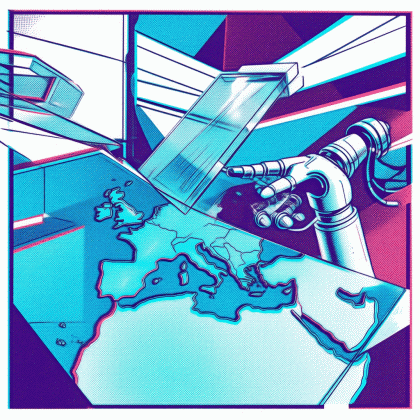




Spain and Mexico Propose Humanist AI as a Third Global Way
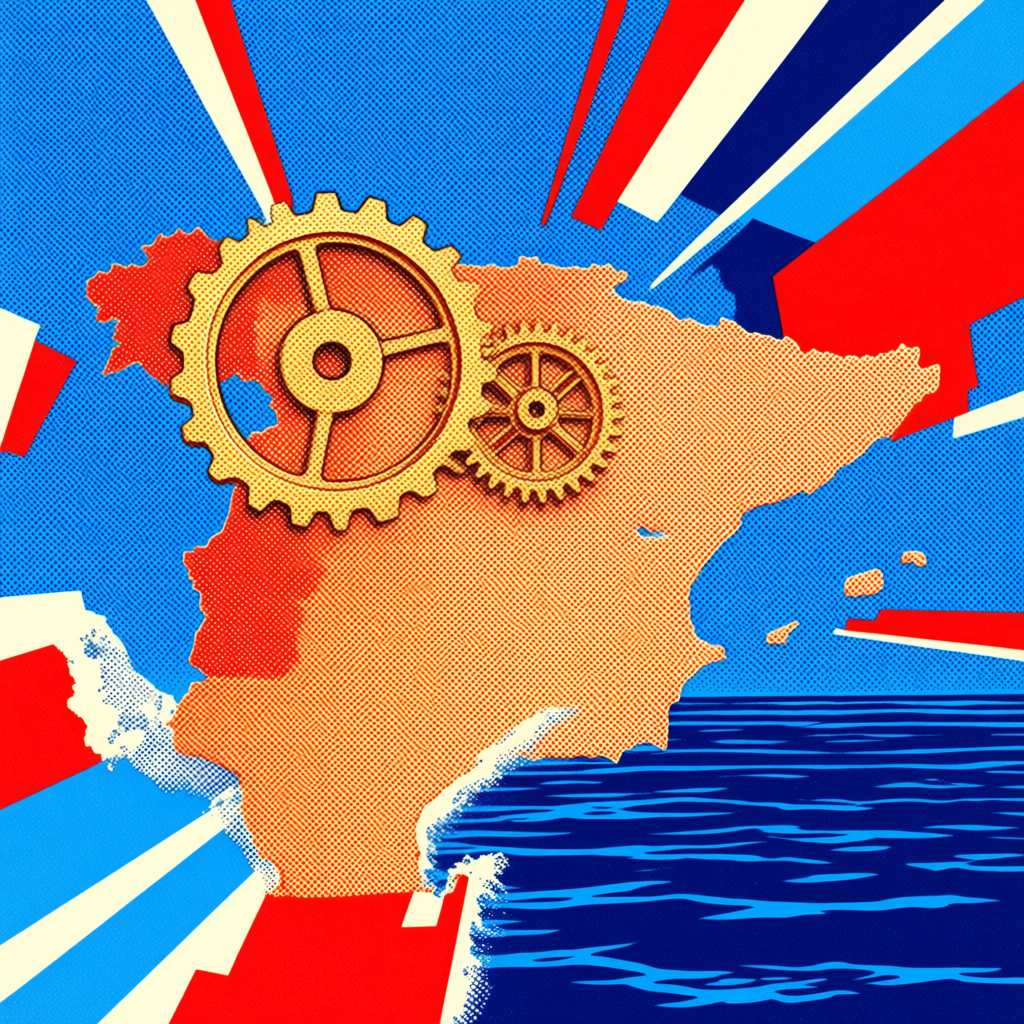
- Spain and Mexico are partnering to create a humanist and ethical AI framework.
- The initiative seeks a third way between the dominant US and Chinese tech ecosystems.
- Minister Óscar López warns that AI capacity is becoming more strategic than oil.
- The proposal emphasizes sustainability, linguistic diversity, and democratic sovereignty.
The global landscape of artificial intelligence has long been viewed as a bipolar race between the commercial giants of the United States and the state-driven ambitions of China. However, a new geopolitical alignment is emerging. Spain and Mexico have announced a strategic collaboration to develop an artificial intelligence that is explicitly defined as humanist, ethical, and secure, aiming to carve out a third path in the digital era.
During a conference at the National Autonomous University of Mexico, the Spanish Minister for Digital Transformation, Óscar López, outlined a vision where AI is not merely a tool for productivity or profit, but a sovereign infrastructure. This partnership between Spain and Mexico represents an attempt to decouple the future of intelligence from the current hegemony of models like Chat GPT, Gemini, or DeepSeek, focusing instead on a model that respects democratic values and cultural diversity.
The New Geopolitical Currency: AI vs Oil
The urgency of this proposal stems from a shift in how global power is measured. Minister López asserted that the race for AI, semiconductor chips, and computing capacity is fundamentally redefining the world's political board. In a striking comparison, he suggested that these technological assets are nearing a point where they will be more coveted and determinant for national power than oil once was.
This transition implies that nations without their own sovereign AI capabilities risk becoming digital vassals to the entities that control the underlying models. By partnering, Spain and Mexico intend to build a sustainable and reliable framework that prevents total dependence on foreign proprietary systems, ensuring that the digital transformation of their societies remains under their own governance.
Addressing the Dark Side of Rapid Deployment
While the tech industry often focuses on the capabilities of Large Language Models, the Spanish-Mexican proposal highlights the systemic risks that have accompanied the current AI boom. The Minister pointed to the recent attack on the Hugging Face platform as a catalyst for global concern, noting that even industry leaders like OpenAI CEO Sam Altman have begun to acknowledge these vulnerabilities.
However, the Spanish government argues that this awareness arrived too late. The proposal emphasizes that the industry should have addressed critical issues much earlier, specifically citing the proliferation of disinformation, the spread of hate speech, and the creation of deepfakes that manipulate the images of children. These are not viewed as bugs in the system, but as fundamental failures of a model driven by speed over safety.
Environmental Costs and Digital Sovereignty
Beyond the ethical and social implications, the proposed third way places a heavy emphasis on sustainability. The current trajectory of AI development requires immense physical resources, a fact often obscured by the cloud-based nature of the technology. López highlighted a stark example of this environmental drain, noting that data centers in Ireland consume up to 30% of the national water supply to maintain cooling systems.
The goal for Spain and Mexico is to transition AI from a digital bubble into a serious, sovereign, and sustainable infrastructure. This means developing models that do not deplete local natural resources and that are designed with energy efficiency as a core requirement rather than an afterthought. This approach challenges the current trend of scaling models at any cost, proposing instead a calibrated growth that aligns with planetary boundaries.
Preserving Linguistic and Cultural Diversity
A central pillar of this humanist AI is the protection of linguistic heritage. Most dominant AI models are trained on datasets that heavily favor English and a few other major global languages, often erasing or marginalizing minority tongues. The Spanish-Mexican initiative seeks to develop an AI that is inclusive of diverse languages, specifically mentioning the goal of protecting and integrating languages such as Nahuatl and Euskera.
By ensuring that AI can speak and understand these languages, the partnership aims to prevent a new form of digital colonialism where only those who speak the languages of the tech giants can fully access the benefits of artificial intelligence. This focus on linguistic diversity is presented as a key component of a truly humanist approach, ensuring that technology serves the people rather than forcing the people to adapt to the technology.
The race for AI, chips, and computing capacity is redefining the political board of the world, becoming more coveted and determinant than oil.
A Framework for Global Governance
The proposal does not stop at a bilateral agreement but calls for a broader global governance of AI. The Spanish government argues that the current fragmented approach to regulation is insufficient to handle the borderless nature of AI risks. By promoting a third digital way, Spain and Mexico are positioning themselves as leaders for other nations in Europe and Ibero-America who seek a middle ground between the US market-led approach and the Chinese state-led model.
This vision advocates for an AI that is transparent and accountable, where the algorithms are not black boxes but are subject to ethical scrutiny. The intention is to create a blueprint for a safe and humanist AI that can be adopted by other democratic nations, fostering a multilateral ecosystem where digital sovereignty is a shared right rather than a luxury for the few.
Implications for International Business and Global Markets
For entrepreneurs and companies in the USA and UK, the Spanish-Mexican initiative signals a growing trend toward digital protectionism and the demand for localized, ethical AI. While the US market continues to lead in raw innovation and the UK focuses on being a hub for AI safety, the emergence of a humanist third way suggests that future market entry into Ibero-American regions may require more than just a translated interface.
Companies operating globally should anticipate a shift where compliance will not only involve data privacy (such as GDPR) but also ethical alignment with humanist principles. If Spain and Mexico successfully implement a sovereign AI infrastructure, they may set a precedent for other nations to demand that AI providers prove their models are sustainable and linguistically inclusive. For US and UK firms, this means the competitive advantage may shift from who has the largest model to who can provide the most transparent and culturally adaptable technology. The move toward digital sovereignty in these regions could lead to new requirements for local data processing and the integration of local linguistic datasets, creating both a barrier to entry and an opportunity for those who prioritize ethical AI development.
FAQ
What is the third way in AI proposed by Spain and Mexico?
It is a proposal to develop an AI that is humanist, ethical, and sustainable, serving as an alternative to the dominant models developed in the USA and China.
Why is the Minister comparing AI to oil?
He argues that computing power, chips, and AI capabilities are becoming the most strategic assets for national power and geopolitical influence, similar to how oil functioned in the past.
What environmental concerns were mentioned?
The proposal highlights the massive water consumption of data centers, citing that in Ireland, they can drain up to 30% of the national water supply.
Which languages are specifically mentioned as priorities for this AI?
The initiative aims to protect and integrate languages such as Nahuatl and Euskera to prevent linguistic erasure.
Sources: 101tv ·
Scrivila qui: Susanna, l assistente AI di glacom, ti risponde via email con un approfondimento gratuito.
Nessuna consulenza personalizzata (finanziaria, legale o medica): solo informazione e fonti. Email usata solo per rispondere.
oppure scrivile su: WhatsApp · Telegram · SimpleX · Delta Chat · Email