




AI Infrastructure Clash: The Environmental Cost of Data Centers
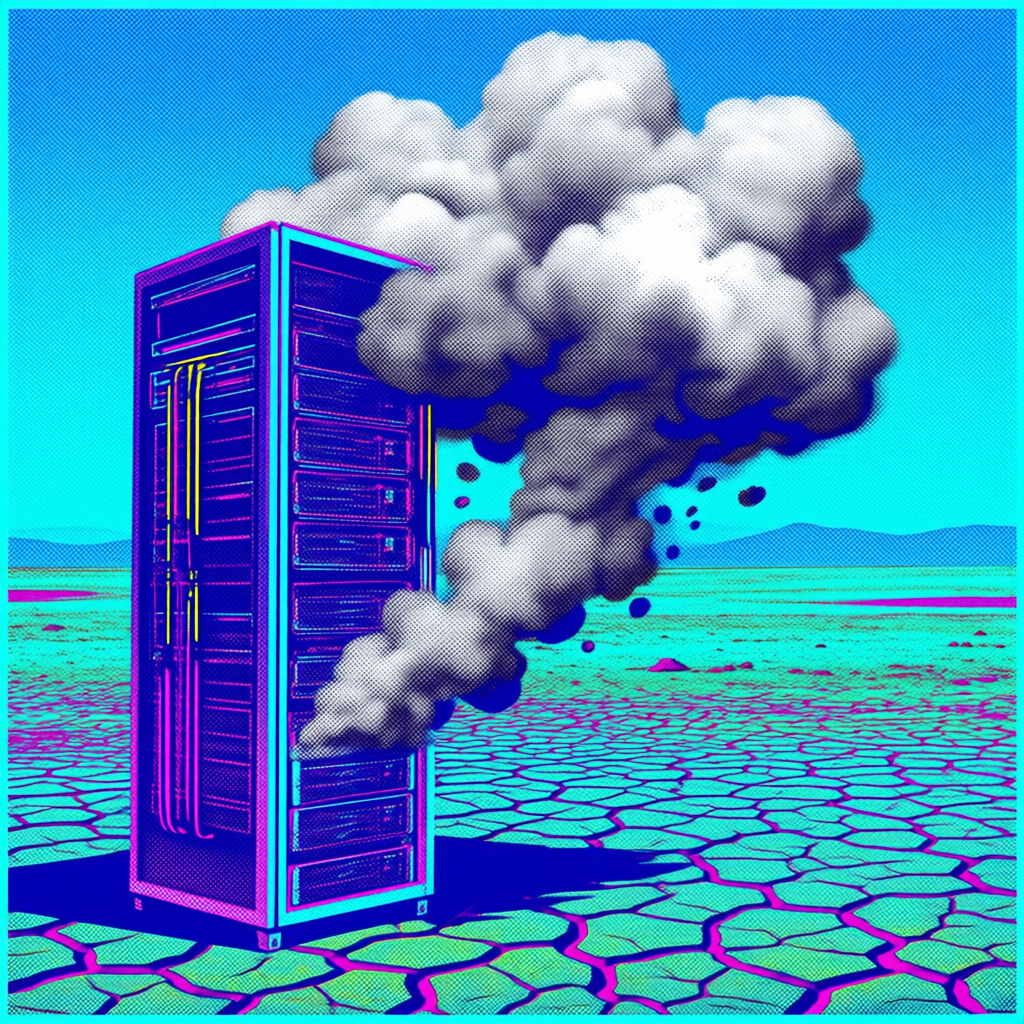
- A new AI-focused data center project in Monfarracinos faces heavy criticism due to its environmental footprint.
- The facility plans to use a thermal power plant with 29 engines fueled primarily by natural gas.
- Environmentalists warn of 307,175 annual tons of CO2 and gas consumption exceeding provincial domestic demand.
- The project highlights the tension between rapid AI scaling and global decarbonization goals.
The global race for artificial intelligence supremacy is often discussed in terms of algorithmic breakthroughs and software capabilities. However, the physical reality of AI is far more industrial. In Monfarracinos, Spain, a proposed macro-computing complex designed to power AI workloads has become a flashpoint for a broader debate on the hidden ecological costs of the digital revolution.
The energy paradox of the AI boom
As enterprises across the USA and UK integrate generative AI into their core operations, the demand for specialized data centers has skyrocketed. These facilities require immense amounts of power, not just for the processors but for the cooling systems that prevent hardware from melting under the load of complex neural network training. The project in Monfarracinos exemplifies a growing trend where the urgency to deploy AI infrastructure leads to a reliance on immediate, often outdated, energy solutions.
The controversy centers on the plan to install a dedicated thermal power plant to ensure the facility's energy autonomy. Rather than relying solely on the grid or renewable sources, the project envisions a system powered by fossil fuels. This approach creates a stark contradiction: while AI is often marketed as a tool to optimize efficiency and solve climate challenges, its physical foundation in this instance relies on the very fuels that drive global warming.
Quantifying the environmental impact in Zamora
The scale of the proposed infrastructure is significant enough to alarm local residents and environmental groups. According to reports highlighted by Ecoticias, the facility intends to operate a thermal plant equipped with 29 engines. The primary fuel source would be natural gas, a choice that carries a heavy atmospheric price tag.
Data extracted from the project's administrative filings reveals a projected emission of 307,175 tons of CO2 per year. Beyond the emissions, the sheer volume of resource consumption is staggering. The facility is expected to require 141.5 million cubic meters of natural gas. To put this into perspective, Ecologistas Zamora points out that this volume would effectively multiply the domestic gas consumption of the entire province by approximately 2.5 times.
Local resistance and the air quality debate
The proximity of the proposed site to the capital of Zamora has shifted the conversation from global climate metrics to local health concerns. Residents fear that the proliferation of gas and diesel chimneys will lead to a measurable deterioration in air quality. The prospect of an industrial hub characterized by constant combustion engines in a region not traditionally dominated by heavy thermal industry has sparked an intense ethical debate.
Local collectives are questioning the logic of reviving obsolete energy models to support cutting-edge technology. The administrative process for the center is still ongoing, but the pushback suggests that the social license to operate such facilities is becoming harder to obtain. The tension is no longer just about where to put a building, but about whether the digital future should be financed by an environmental deficit in rural areas.
Infrastructure bottlenecks in the AI race
The situation in Monfarracinos is a microcosm of a global struggle. Data center operators are facing a dual crisis: a shortage of available electrical grid capacity and the pressure to meet corporate ESG (Environmental, Social, and Governance) targets. When the local grid cannot provide the necessary megawatts, companies often turn to on-site generation. While this ensures uptime and stability for AI services, it often means reverting to gas or diesel generators.
This creates a precarious cycle. The more AI scales, the more power it consumes; the more power it consumes, the more likely operators are to bypass slow-moving renewable transitions in favor of fast-deploying fossil fuel plants. For the international business community, this represents a significant operational risk, as regulatory environments are tightening around carbon footprints.
The administrative battle for Monfarracinos
Currently, the project is navigating the complex web of administrative approvals. The legal and technical dossiers must now address whether the economic benefits of the data center outweigh the environmental degradation. Opponents argue that rejecting the project is necessary to prevent a precedent where AI development is decoupled from sustainability.
As detailed in reports from La Opinión de Zamora, the debate has evolved into a clash between the promise of technological modernization and the preservation of regional ecological integrity. The outcome of this specific case may serve as a bellwether for how other European regions handle the influx of AI infrastructure.
Global implications for tech entrepreneurs
For entrepreneurs and investors in the USA, UK, and global markets, the Monfarracinos case offers a critical lesson in site selection and infrastructure planning. The era of ignoring the 'physical layer' of the cloud is over. Companies deploying AI at scale must now account for the political and environmental volatility of their energy sources.
In the United Kingdom and the United States, while zoning laws may differ from the EU, there is a growing trend toward stricter environmental impact assessments for data centers. In the US, state-level incentives are increasingly tied to green energy usage. In the UK, the government's net-zero targets are putting pressure on data center operators to move away from diesel backup generators toward hydrogen or large-scale battery storage.
Furthermore, the EU AI Act, while primarily focused on the ethical use of algorithms, exists within a broader European Green Deal framework. This means that AI projects in Europe are subject to some of the world's most stringent carbon reporting requirements. Any business looking to expand its computing footprint in Europe must realize that a 'gas-first' energy strategy is likely to meet fierce resistance from both regulators and the public. The Monfarracinos conflict proves that the efficiency of a model is irrelevant if the energy used to run it is deemed socially or ecologically unacceptable.
FAQ
Why is the Monfarracinos data center controversial?
It plans to use a thermal power plant with 29 engines fueled by natural gas, which would significantly increase CO2 emissions and gas consumption in the region.
How much CO2 would the facility emit annually?
According to project documentation, the estimated emissions are 307,175 tons of CO2 per year.
How does the gas consumption compare to local usage?
The projected consumption of 141.5 million cubic meters of natural gas is approximately 2.5 times the domestic gas consumption of the entire province.
Is the data center already operational?
No, the project is currently in the administrative processing phase.
Sources: Laopiniondezamora (2), Ecoticias ·
Scrivila qui: Susanna, l assistente AI di glacom, ti risponde via email con un approfondimento gratuito.
Nessuna consulenza personalizzata (finanziaria, legale o medica): solo informazione e fonti. Email usata solo per rispondere.
oppure scrivile su: WhatsApp · Telegram · SimpleX · Delta Chat · Email