



Google Opens YouTube Personalized Ads to Alcohol Advertisers
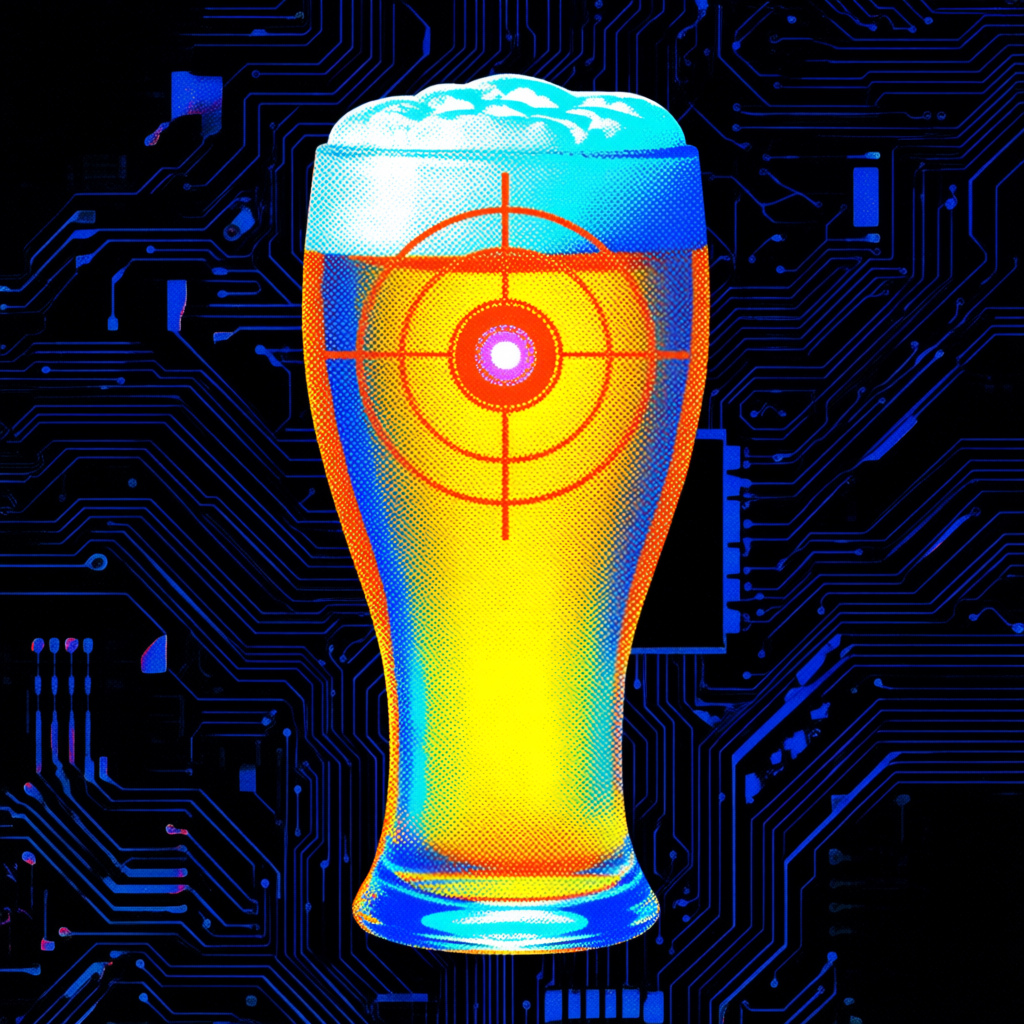
- Google updates its policy to allow personalized alcohol ads on YouTube from October 30.
- The shift applies to alcohol, alcohol-related products, and alcohol-alternative beverages.
- Strict age, regional, and sensitive-interest protections remain in place.
- Certain markets, including India, Indonesia, Egypt, and Poland, are excluded from the rollout.
The landscape of digital marketing for the beverage industry is undergoing a significant shift. Google has announced a policy update that will fundamentally change how alcohol brands interact with audiences on YouTube. Starting October 30, the platform will permit personalized advertising for alcohol, marking a departure from previous restrictions that limited these brands to non-personalized formats.
For years, alcohol advertisers on YouTube operated under a blanket limitation. While they could run ads, they could not leverage the full suite of Google's targeting signals to reach specific user profiles. This meant that a craft distillery or a premium champagne house had to rely on broader, less efficient delivery methods. The new directive removes this barrier, allowing eligible advertisers to use personalized data to refine who sees their content, provided that local legislation supports such practices.
A strategic pivot for beverage marketing
The transition to personalized ads is not merely a technical update but a commercial catalyst. For media buyers and brand managers, the ability to use targeted signals means a drastic reduction in wasted impressions. Instead of casting a wide net, brands can now identify and reach specific segments of drinkers or potential switchers based on user behavior and interests.
This change is particularly impactful for niche players. Premium and craft producers, who often target a very specific demographic of connoisseurs, can now optimize their spend to reach high-intent users. Similarly, the rise of alcohol-alternative beverages—a rapidly growing sector in the global wellness market—stands to benefit from the ability to target health-conscious consumers who are actively seeking non-alcoholic substitutes.
Maintaining the safety guardrails
Despite the opening of personalized targeting, Google is not granting a carte blanche to the industry. The company has emphasized that existing protections will remain intact. The rollout is designed to balance commercial growth with social responsibility, ensuring that alcohol promotion does not cross ethical or legal boundaries.
Age verification and sensitive-interest protections continue to be the primary pillars of the policy. Google's systems are engineered to prevent alcohol ads from appearing to minors or individuals categorized under sensitive interest groups. This ensures that while the targeting becomes more precise, the exclusion criteria remain rigorous.
Regional boundaries and legal exclusions
The global nature of YouTube means that a single policy cannot apply uniformly across all jurisdictions. Google has explicitly stated that personalized alcohol ads will only be available where local laws permit. This creates a fragmented map of availability, where the capability of a campaign depends entirely on the geography of the viewer.
Several countries are explicitly excluded from this October rollout. These include:
- India
- Indonesia
- Egypt
- Poland
In these markets, the previous restrictions will persist, reflecting the stricter regulatory environments or cultural norms regarding alcohol promotion in those regions. Advertisers operating across multiple borders will need to implement highly granular campaign settings to avoid violating local statutes.
The technical shift in YouTube inventory
From a technical standpoint, the update expands the utility of YouTube inventory. By integrating alcohol into the personalized advertising ecosystem, Google is effectively increasing the value of its ad slots for a massive global industry. The move allows for more sophisticated A/B testing and audience segmentation that was previously impossible for alcohol-related products.
Brands can now align their creative assets with specific user personas. For instance, a luxury tequila brand can target users who show an interest in high-end travel and gastronomy, while a mass-market beer brand can focus on sports enthusiasts during major events, all while utilizing the personalized signals that make Google's ad tech so potent.
Impact on the digital advertising ecosystem
This policy shift reflects a broader trend in the ad tech world: the gradual opening of restricted categories to high-performance targeting tools. As personalized targeting becomes more refined, the pressure from advertisers to access these tools for all legal product categories increases.
The move removes a previous blanket limitation that forced alcohol advertisers to use only non-personalised formats on YouTube.
By allowing this, Google is not only increasing its potential revenue from the alcohol sector but also providing its partners with the tools necessary to compete in a digital-first economy. The ability to track the effectiveness of a personalized campaign allows for a tighter feedback loop between marketing spend and actual consumer acquisition.
Global business implications for USA and UK markets
For entrepreneurs and marketing agencies in the United States and the United Kingdom, this update is a significant opportunity. Both markets have established, albeit complex, frameworks for alcohol advertising. In the USA, where state laws vary, the ability to use personalized targeting allows brands to be more surgical in their approach, ensuring compliance while maximizing reach.
In the UK, where the ASA (Advertising Standards Authority) maintains strict codes on alcohol marketing, the personalized approach can actually help brands stay within guidelines by ensuring ads are not served to vulnerable audiences or minors. The precision offered by Google's updated policy allows for a more controlled environment than traditional broadcast media.
Business owners should prepare for the October 30 deadline by auditing their current YouTube strategies. The shift from non-personalized to personalized formats will require a redesign of audience personas and a reallocation of budgets to take advantage of the new targeting signals. Those who move quickly to integrate these tools will likely see a marked improvement in campaign efficiency and a lower cost-per-acquisition in the competitive beverage landscape. For more details on the timeline, The Daily Guardian notes the specific start date of October 30.
FAQ
When does the new YouTube alcohol ad policy take effect?
The policy update goes into effect on October 30.
Which products are included in this personalized advertising update?
The update covers alcohol, alcohol-related products, and alcohol-alternative beverages.
Are there any countries where personalized alcohol ads will still be banned?
Yes, certain countries are excluded from the rollout, including India, Indonesia, Egypt, and Poland.
Will children be able to see these personalized alcohol ads?
No, Google is maintaining its existing age and sensitive-interest protections to ensure ads are not served to minors.
Sources: Msn, Bizbrief, Thedailyguardian ·
Scrivila qui: Susanna, l assistente AI di glacom, ti risponde via email con un approfondimento gratuito.
Nessuna consulenza personalizzata (finanziaria, legale o medica): solo informazione e fonti. Email usata solo per rispondere.
oppure scrivile su: WhatsApp · Telegram · SimpleX · Delta Chat · Email