




Effort Signaling: The New Luxury of Human Imperfection in AI Age
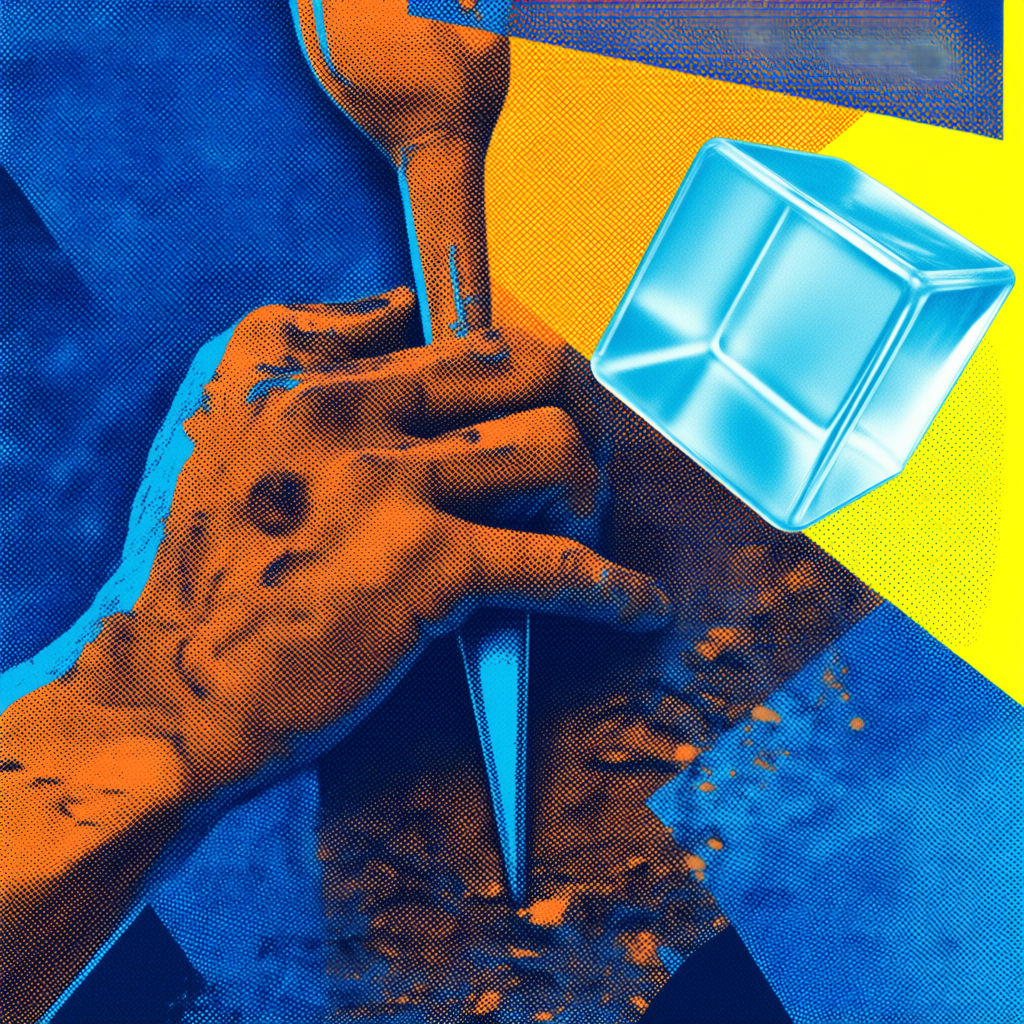
- Effort signaling is a strategic move by brands to prove human creativity through visible, manual labor.
- The trend reacts against AI slop, characterized by overly symmetric, saturated, and derivative visual content.
- Creative industries are adopting raw aesthetics and behind-the-scenes documentation to signal authenticity.
- High-effort campaigns, such as pasta-made clothing or stained glass, serve as a competitive advantage against AI.
The digital landscape is currently saturated with what industry insiders call AI slop. From LinkedIn feeds where some reports suggest up to 40% of content is AI-generated, to Instagram grids filled with hyper-saturated, perfectly symmetrical imagery, the ubiquity of synthetic media has created a paradox. As the cost of producing a visually polished image drops to near zero, the market value of that polish is evaporating. In response, a new strategic movement is emerging among luxury brands, designers, and artists: effort signaling.
The rise of the anti-AI aesthetic
Effort signaling is the deliberate act of showcasing the labor, time, and physical struggle involved in creating a piece of work. It is a direct antithesis to the frictionless nature of generative AI. While AI systems prioritize order, symmetry, and recurring visual conventions—such as specific lighting schemes and high contrast—human creators are now leaning into the opposite. They are embracing the raw, the gritty, and the intentionally imperfect.
This shift is visible in high-end publishing. The English publisher Picador recently released editions of Roberto Bolaño's works featuring covers by American designer Michael Schmelling. These covers utilize a consciously crude aesthetic. The logic is simple: an AI would not choose to make something look this raw because it is programmed to optimize for a perceived standard of beauty. By choosing imperfection, the brand signals that a human mind made a conscious, critical decision to deviate from the norm.
Combatting the era of synthetic slop
The backlash against AI is not merely aesthetic; it is professional and societal. Many audiences now openly protest when companies rely on AI for visual content, citing a lack of critical project design and the negative impact on freelance illustrators and creative studios. This has led to a climate where the absence of AI is becoming a selling point.
To combat the perception of being derivative or cheap, brands are turning to effort signaling to rebuild trust. This involves a transition from showing only the final, polished product to documenting the arduous process of creation. On platforms like TikTok and Instagram, the behind-the-scenes video has evolved from a marketing gimmick into a certificate of authenticity. By showing the sketches, the failed attempts, and the physical sweat of the studio, creators provide proof of human origin that a prompt cannot replicate.
Extreme craftsmanship as a brand moat
Some brands are taking effort signaling to an extreme, creating content that is so labor-intensive it serves as a moat against AI competition. These are not just manual tasks, but absurdly detailed feats of craftsmanship that demand physical presence and tactile skill.
Consider the recent collaboration between Victoria's Secret and the Korean artist Min Kyung-jin, known as Sibatable. The artist creates miniature clothing entirely out of pasta. Similarly, Abercrombie & Fitch shared a Reel featuring denim pants crafted from pasta, scaled down to the size of a palm. While an AI could generate a photorealistic image of pasta-jeans in seconds, it cannot physically fold a piece of pasta or arrange it in a real-world setting. The value lies in the physical existence of the object and the sheer amount of human time invested in its creation.
The appeal of a one-stop content shop is massive for small businesses, but the counterpoint has been a growing backlash from those who value the human element in the creative process.
Other examples of this trend include the British brand Damson Madder, which partnered with MontibyMonti to launch a range in actual stained glass, and Chamberlain Coffee, which utilized hand-crafted clay stop-motion for its latest campaign. These choices are intentionally inefficient. In a business world obsessed with optimization, inefficiency has become the ultimate luxury signal.
Why perfection is now a red flag
For years, the goal of corporate communication was a seamless, flawless finish. However, in the age of AI, perfection has become a red flag. When a visual is too clean, the viewer's first instinct is to ask if it was generated by a machine. This has flipped the script on quality control.
The current trend suggests that consumers are craving the human touch—specifically the parts of the human touch that are messy. This is why fashion's antithesis to AI is not just about avoiding the software, but about celebrating the artisan. Fashion houses are increasingly showing the actual artisans at work in their advertisements, shifting the focus from the garment to the hand that stitched it.
The strategic divide in content creation
This creates a widening gap in the market. On one side, small businesses with limited budgets continue to use AI to democratize their content creation, filling a void where they otherwise could not afford professional services. On the other side, premium brands are distancing themselves from these tools to avoid being lumped in with the AI slop.
The risk for the former is a loss of brand equity and a perception of being cheap or derivative. The risk for the latter is the high cost of production. However, as effort signaling in an age of AI becomes a recognized status symbol, the return on investment for high-effort content is likely to increase. The more the world is flooded with synthetic imagery, the more valuable the tangible, the handmade, and the imperfect become.
Global business implications for USA and UK markets
For entrepreneurs and agencies in the USA and UK, effort signaling represents a pivot in how brand value is communicated. In these highly competitive markets, where AI adoption is rapid, the ability to prove human provenance is becoming a critical differentiator.
From a regulatory and market perspective, while the US and UK have not yet implemented a rigid framework like the EU AI Act, there is a growing voluntary movement toward transparency. Businesses that proactively disclose their non-use of AI in creative processes are finding a competitive edge with Gen Z and Millennial consumers who prioritize authenticity and ethical labor practices. For agencies, this means a shift in service offerings: the value is no longer in the delivery of a final asset, but in the documentation of the process. Selling the journey—the sketches, the prototypes, and the manual labor—is now as important as selling the destination.
FAQ
What exactly is effort signaling?
It is a trend where brands and creators deliberately showcase the hard work, manual labor, and imperfections involved in their creative process to prove that their work was made by humans and not by AI.
Why are brands using pasta or clay for advertisements?
These materials require physical manipulation and extreme patience, things AI cannot do. By creating miniature pasta clothes or clay animations, brands signal a level of effort that makes the content feel authentic and high-value.
Is AI content completely obsolete for businesses?
No, it remains a vital tool for small businesses with limited budgets. However, for luxury and premium brands, over-reliance on AI can lead to a perception of the brand as cheap or derivative.
How does effort signaling change the role of a designer?
The designer's role is shifting from just producing a polished result to being a visible part of the process. Documenting the creative struggle is now a key part of the marketing strategy.
Scrivila qui: Susanna, l assistente AI di glacom, ti risponde via email con un approfondimento gratuito.
Nessuna consulenza personalizzata (finanziaria, legale o medica): solo informazione e fonti. Email usata solo per rispondere.
oppure scrivile su: WhatsApp · Telegram · SimpleX · Delta Chat · Email