Google Antitrust Rulings: What Businesses Must Know Now
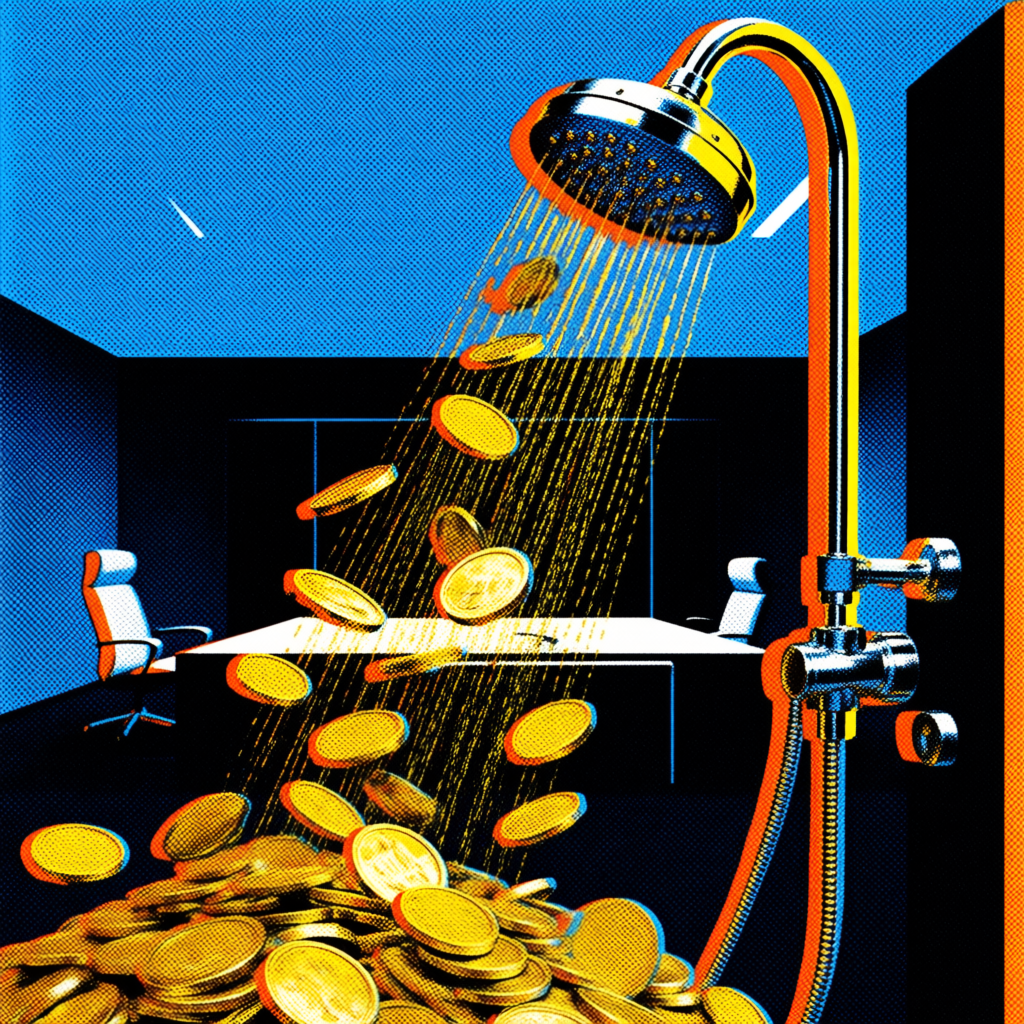
- US courts ruled Google illegally monopolized general search and search advertising through exclusive distribution deals.
- Evidence revealed internal pricing knobs that inflated Cost-Per-Click (CPC) without advertiser knowledge.
- A separate 2026 ruling mandates behavioral changes in ad tech but rejects a forced structural breakup of the company.
- Publishers like Gannett and Daily Mail are pursuing claims over bidding practices, opening doors for potential financial recoveries.
For years, digital marketers and entrepreneurs have attributed rising Cost-Per-Click (CPC) rates to the usual suspects: increased competition, shifting match types, or declining Quality Scores. However, recent US federal court rulings have unveiled a more systemic cause. The judicial record now shows that Google utilized internal mechanisms to artificially inflate ad prices, fundamentally altering the landscape for any business relying on search engine marketing.
The mechanics of supracompetitive pricing
In August 2024, US District Judge Amit Mehta concluded that Google exercised monopoly power by charging supracompetitive prices for general search text ads. In legal and economic terms, this means prices were pushed above what a truly competitive market would produce. The court found that Google's ads team employed internal pricing knobs to increase the amount a winning advertiser paid, regardless of changes in bids or ad quality.
These manipulations often involved inflating the score of the runner-up in the auction, which directly raised the winner's CPC. According to trial records, this occurred through several specific mechanisms:
Format pricing (2012–2019): Advertisers using structured snippets, callouts, or sitelinks were charged more to maintain their positions. By 2019, these charges accounted for roughly 15% of text ad revenue. Squashing (2014 onward): Google raised the predicted click-through rate for every ad except the leader, forcing the winner to pay more without any actual improvement in the competing ads. rGSP (2019 onward): Under this system, Google multiplied the runner-up's score by an adjustable factor, leading to a projected CPC increase of 5–6% for top slots.
Crucially, these changes were hidden. Google's Vice President of Ads testified that the company tends not to inform advertisers about pricing changes, leaving many businesses unaware that the platform itself was responsible for their rising costs.
Exclusive deals and the death of incentive
The monopoly was not maintained solely through pricing, but through aggressive distribution agreements. The Department of Justice (DOJ) highlighted the massive sums Google paid to remain the default search engine on browsers and devices. One centerpiece of the trial was the revelation that Google paid Apple approximately $20 billion in a single year to secure its default status on iOS.
Judge Mehta's ruling emphasized a critical point for the tech industry: exclusivity does more than just block rivals. It erodes the incentive for the dominant player to innovate. Because Google faced no real competitive threat at the point of user entry—the setup screen or the new phone install—the court found it had less reason to invest in search quality.
Ad tech losses without the breakup
While the search ruling focused on the front-end experience, a second legal battle targeted the invisible infrastructure of the web. In September 2026, Judge Leonie M. Brinkema ruled that Google had broken the law to protect its dominance over the ad tech stack—the system that places ads across various websites.
Despite this finding, the court rejected the DOJ's request for a structural breakup. Instead of forcing Google to sell off parts of its business, the judge ordered behavioral changes. For Alphabet, the financial materiality of this specific ruling is relatively low, as ad tech represents roughly 8% of revenue and less than 1% of profit, with a declining trend over 16 consecutive quarters. However, the legal precedent is significant, marking a second major antitrust loss for the company in a short window.
The battle for publisher recovery
The fallout extends beyond the DOJ to private litigants. In the Southern District of New York, a multidistrict litigation (MDL) involving online publishers is currently testing the limits of Google's bidding practices. Major entities such as Gannett and Daily Mail have seen their claims regarding digital advertising bidding practices survive summary judgment.
These publishers allege that Google violated the Sherman Act by tying access to its dominant AdX ad exchange to the use of its DFP ad server. While some claims, such as those from Inform, Inc. regarding instream video advertising, were dismissed due to a lack of evidence on how the monopoly affected those specific transactions, the core claims regarding unjust enrichment and auction manipulation remain active.
The court found that many advertisers do not even realize that Google is responsible for the changes in price.
Strategic implications for global ad spend
For the modern entrepreneur, these rulings transform Google Ads from a black-box utility into a potential source of recoverable losses. Legal experts suggest that advertisers who managed campaigns during the periods of format pricing or rGSP implementation should review their historical spend. In some jurisdictions, there is a possibility of recovering up to three times the amount paid in hidden costs.
Businesses are encouraged to audit their accounts against the specific dates of auction changes: 2012–2019 for format pricing and 2019 onward for rGSP. This requires a granular analysis of CPC trends that cannot be explained by market competition or quality score fluctuations.
Global outlook for international enterprises
For businesses operating in the USA, UK, and global markets, these developments signal a shift toward aggressive regulatory oversight of AI-driven ad ecosystems. In the US, the move from structural remedies (breakups) to behavioral remedies suggests that the government is more interested in correcting market conduct than dismantling companies. However, the survival of private claims by publishers indicates that the real financial risk for Google may come from a wave of class-action lawsuits rather than a single government mandate.
In the UK and EU, where the antitrust environment is already stringent, these US rulings provide a roadmap for local regulators to scrutinize similar pricing knobs. International firms should anticipate a more transparent auction process in the coming years, but also a period of volatility as Google adjusts its pricing algorithms to comply with court orders. The lack of a forced breakup in the ad tech case provides temporary stability for the global ad stack, but the precedent of illegal monopolization remains a potent weapon for future litigation.
FAQ
Can my business recover money from Google due to these rulings?
Potentially. The court found that Google used hidden pricing knobs to inflate CPCs. Advertisers may be able to recover costs, sometimes up to 3x the hidden amount, but they must first establish through account audits that they were affected by specific changes like rGSP or format pricing.
Was Google forced to sell any part of its business?
No. While the court found Google illegally monopolized both search and ad tech, the 2026 ruling specifically rejected the Department of Justice's request for a structural breakup, opting instead for behavioral changes.
What are pricing knobs?
These are internal adjustments made by Google's ads team to raise the price a winning advertiser pays without any change in the actual bids, competition, or ad quality, often by inflating the runner-up's score.
Sources: Searchenginejournal, Marketingscoop, Explainx ·
Scrivila qui: Susanna, l assistente AI di glacom, ti risponde via email con un approfondimento gratuito.
Nessuna consulenza personalizzata (finanziaria, legale o medica): solo informazione e fonti. Email usata solo per rispondere.
oppure scrivile su: WhatsApp · Telegram · SimpleX · Delta Chat · Email