AI Infrastructure: Global Supply Chains and Local Resistance
- Senator Adam Schiff emphasizes the critical need for AI oversight to protect free speech and democratic integrity.
- Trade experts highlight that no US AI data center is built exclusively with American parts or labor.
- A growing grassroots movement in the US is actively opposing the rapid proliferation of data centers.
- The intersection of supply chain dependencies and national security is reshaping the politics of AI infrastructure.
The rapid ascent of artificial intelligence has moved beyond the realm of software and algorithms, manifesting as a physical struggle over land, energy, and global supply chains. As tech giants race to build the infrastructure necessary to sustain Large Language Models, the conversation is shifting from what AI can do to where it lives and who controls the hardware. This physical expansion is triggering a collision between corporate ambition, national security concerns, and local resistance.
The Regulatory Dilemma Facing US Lawmakers
Senator Adam Schiff, who serves on several committees responsible for tech and AI oversight, has become a central voice in the debate over how to govern these emerging technologies. The challenge lies in creating a framework that encourages innovation without sacrificing the fundamental tenets of free speech or allowing the technology to be weaponized for political corruption. The current political climate, characterized by high levels of polarization, complicates the path toward a bipartisan regulatory consensus.
For lawmakers like Schiff, AI regulation is not merely a technical hurdle but a safeguard for democratic processes. The potential for AI to amplify misinformation or facilitate self-dealing in politics necessitates a proactive approach to oversight. As discussed in recent dialogues on tech oversight, the goal is to establish boundaries that prevent the tech industry from operating in a vacuum, ensuring that the deployment of AI aligns with public interest and legal standards.
Unmasking the Global Supply Chain of AI
While the narrative surrounding AI often focuses on American ingenuity and Silicon Valley dominance, the physical reality of the infrastructure is far more globalized. Former US Trade Representative Katherine Tai and trade expert Beth Baltzan have pointed out a critical vulnerability: not a single AI data center in the United States is constructed entirely with American parts and labor. This dependency creates a complex web of risks that extend far beyond the borders of any single nation.
The buildout of these facilities relies on a precarious balance of international trade deals, tariffs, and the availability of specialized chips. The reliance on foreign components means that the US AI strategy is inextricably linked to global stability and the cooperation of international partners. This reality challenges the notion of total technological sovereignty and forces a reconsideration of how supply chains are secured to prevent disruptions that could stall AI development or compromise national security.
The Rising Tide of Local Resistance
For years, data centers were invisible entities to the average citizen, tucked away in industrial parks or remote areas. However, this invisibility has vanished. A significant shift in public perception has occurred, with a growing number of Americans now actively opposing the construction of new data centers in their communities. This movement is driven by concerns over energy consumption, water usage for cooling, and the perceived lack of direct benefit to local populations.
This grassroots opposition is catching tech executives off guard. The assumption that data centers would be welcomed as signs of economic progress has proven false in many regions. Consequently, politicians who once championed the tech industry are being forced to adjust their positions to reflect the anxieties of their constituents. The friction is no longer just about zoning laws; it is a broader debate about the environmental and social costs of the AI revolution.
National Security and the China Factor
The geopolitical dimension of AI infrastructure is dominated by the strategic competition between the US and China. The struggle for dominance in chip production and the securing of raw materials are not just economic goals but national security imperatives. The ability to maintain a lead in AI capabilities depends heavily on the resilience of the hardware supply chain.
Trade experts warn that the dangers of AI are not limited to the software's output but include the potential for systemic failures if the hardware pipeline is compromised. The intersection of tariffs and trade policy is now a primary tool for managing these risks, as the US attempts to balance the need for global components with the desire to reduce dependence on adversarial nations.
The Political Economy of Tech Infrastructure
The current era of AI development is characterized by a new politics of tech, where the influence of figures like Elon Musk and the priorities of massive tech conglomerates intersect with government policy. The scale of investment required for AI data centers is so vast that it requires a level of coordination between the private sector and the state that is unprecedented in the digital age.
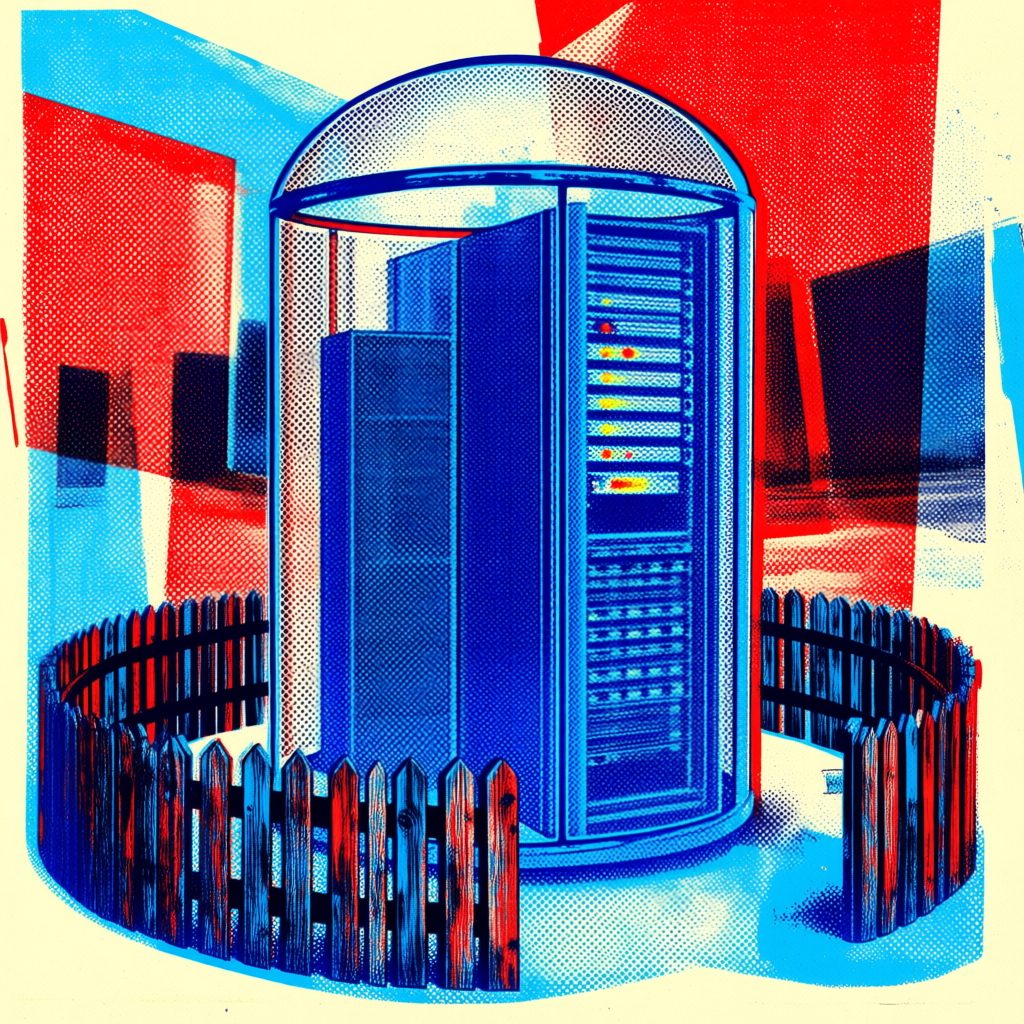
The physical footprint of AI is transforming the landscape of American politics, turning data centers into flashpoints for debates over land use, environmental impact, and corporate power.
This shift suggests that the next phase of AI growth will not be determined by who has the best code, but by who can secure the land, the power, and the hardware necessary to run it. The tension between the rapid pace of technological evolution and the slower pace of legislative and social adaptation remains the primary bottleneck for the industry.
Strategic Implications for International Businesses
For entrepreneurs and enterprises operating in the USA, UK, and global markets, this news signals a transition from a software-centric AI strategy to one that must account for physical and regulatory constraints. In the United States, the lack of a comprehensive federal AI law means that businesses must navigate a patchwork of state-level regulations and the evolving priorities of congressional committees.
In the UK and other global markets, the focus is increasingly on the sustainability of AI infrastructure. Companies should anticipate stricter environmental mandates regarding the energy efficiency of data centers. Furthermore, the revelation that no US data center is fully domestic underscores the necessity for global firms to diversify their hardware supply chains. Relying on a single geographic source for AI infrastructure is now a significant business risk.
Businesses should monitor the following trends to remain competitive:
- The potential for new US tariffs on AI-related hardware components.
- Increased local zoning restrictions and community opposition to data center expansion.
- The emergence of stricter oversight on the intersection of AI and free speech, as championed by figures like Senator Adam Schiff.
FAQ
Why are people opposing data centers?
Residents are concerned about the massive energy and water requirements of these facilities, as well as the lack of local economic benefits compared to the environmental impact.
Is the US AI infrastructure fully domestic?
No. According to trade experts Katherine Tai and Beth Baltzan, no US AI data center is made entirely with American parts and labor.
What is Senator Adam Schiff's position on AI?
He advocates for stronger regulation and oversight to prevent AI from being used to undermine free speech or facilitate political corruption.
How does the China-US rivalry affect AI?
It creates a strategic struggle over the supply chain of chips and raw materials, making hardware security a matter of national security.
Scrivila qui: Susanna, l assistente AI di glacom, ti risponde via email con un approfondimento gratuito.
Nessuna consulenza personalizzata (finanziaria, legale o medica): solo informazione e fonti. Email usata solo per rispondere.
oppure scrivile su: WhatsApp · Telegram · SimpleX · Delta Chat · Email