




EU Customs Union Overhaul: Regulation 2026/2108 and the New EUCA
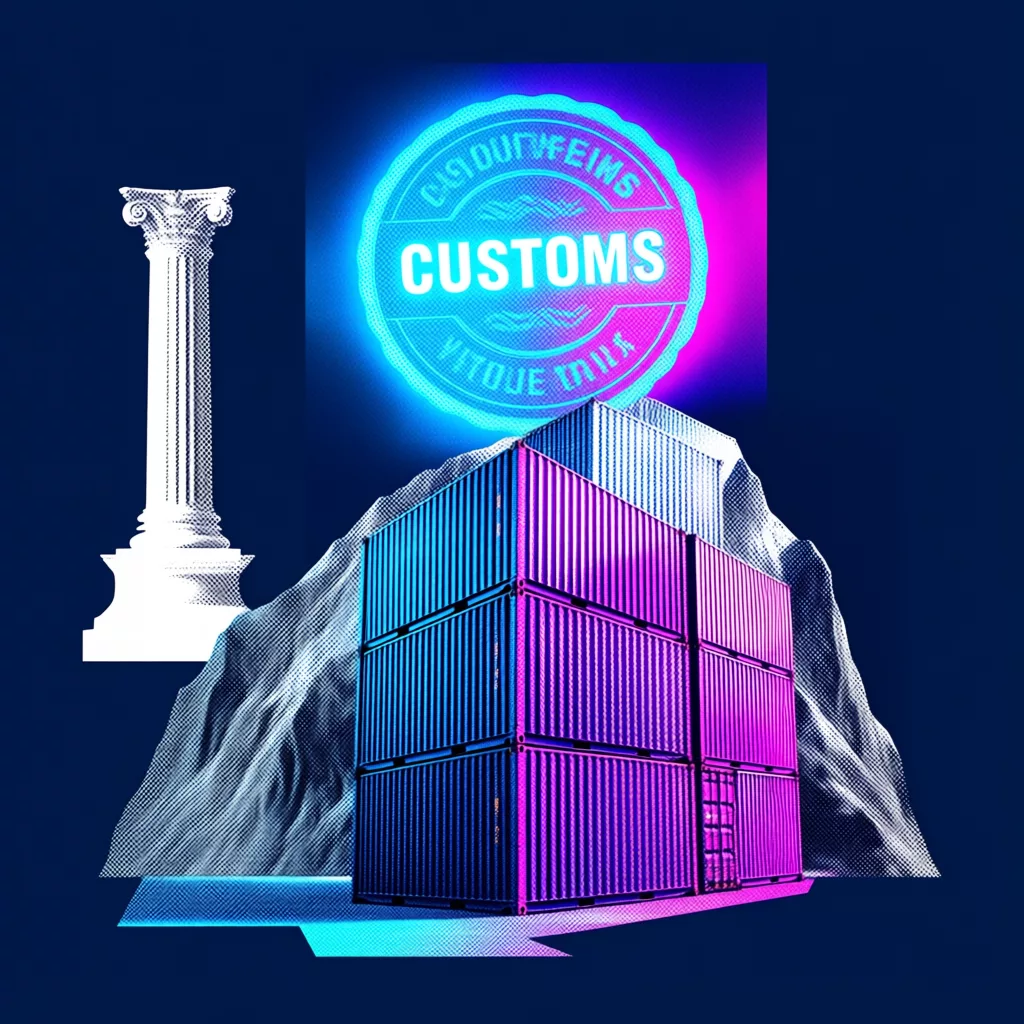
- EU Regulation 2026/2108 establishes a new Union Customs Code and the EU Customs Authority (EUCA).
- The reform targets gaps in e-commerce oversight and the digitalization of customs processes.
- A new relationship is formed between EUCA, national administrations, and economic operators based on data transparency.
- The regulation replaces the previous framework (Regulation 952/2013) to better handle high-volume distance sales.
The European Union has fundamentally restructured its border management and trade oversight with the introduction of Regulation (EU) 2026/2108. Approved on September 16, 2026, this legislative act does more than simply update existing rules; it establishes a new Union Customs Code and creates a centralized powerhouse: the European Union Customs Authority (EUCA). For global entrepreneurs and logistics firms, this represents a shift from fragmented national interpretations toward a unified, data-driven customs environment.
The birth of EUCA and centralized oversight
At the heart of this reform is the creation of the European Union Customs Authority (EUCA). For years, the EU relied on a decentralized model where national authorities managed the operational aspects of the Union Customs Code. While this allowed for local expertise, it created inconsistencies in how tariffs were applied and how risks were assessed across different member states.
EUCA is designed to bridge these gaps. By acting as a central authority, it will coordinate the relationship between the European core, national administrations, and the economic operators who move goods across borders. This new hierarchy aims to ensure that a shipment entering through a port in Rotterdam is treated with the same regulatory rigor and digital standard as one entering through an airport in Rome or a terminal in Valencia.
Closing the e-commerce loophole
One of the primary drivers behind the new regulation was the systemic failure of the previous framework, Regulation (EU) 952/2013, to keep pace with the explosion of distance selling. The rise of global e-commerce platforms has led to a massive increase in the volume of small parcels entering the EU, often bypassing traditional scrutiny due to the sheer scale of transactions.
The new code specifically addresses the limited capacity of customs authorities to handle these high-volume imports. By implementing more robust data exchange mechanisms, the EU intends to close the gap between the speed of digital commerce and the speed of regulatory compliance. This means that e-commerce operators will face stricter requirements regarding the transparency of their information systems and the reliability of the data provided during import and export operations.
Digital transformation of customs processes
The transition to Regulation 2026/2108 is not merely a legal change but a technological one. The previous IT architecture was deemed insufficient to support a fully digitized customs environment. The new framework mandates a shift toward digital-first processes, reducing the reliance on legacy paper-based systems and fragmented electronic filings.
This digitalization is intended to streamline the flow of goods while enhancing security. By integrating AI-ready data structures and real-time information sharing, the EU aims to identify non-financial risks—such as prohibited goods or safety violations—more efficiently. The goal is to move toward a system where compliance is baked into the digital transaction rather than checked manually at the border.
Operational shifts for economic operators
For businesses, the new Union Customs Code introduces a more rigorous standard of accountability. The relationship between the operator and the state is now predicated on the reliability of the subject performing the operation. This suggests a move toward a trust-based system where proven compliant operators may enjoy smoother transit, while those with opaque data systems face increased scrutiny.
The regulation covers a vast array of operational norms, from the management of binding information to the rules regarding currency conversion and the validity of decisions at the Union level. Specifically, the framework clarifies how decisions adopted upon request are managed and the conditions under which favorable decisions can be revoked, suspended, or modified.
The new Union Customs Code imposes a relationship based on the transparency of information systems and the reliability of the subject carrying out the import or export operation.
Risk management and non-financial threats
Beyond the collection of duties, the EU is pivoting toward a broader definition of border security. The preamble of the regulation acknowledges that previous efforts were insufficient in protecting EU citizens from non-financial risks. This includes the enforcement of environmental standards, product safety regulations, and the prevention of illegal trade that does not necessarily involve tax evasion but poses a societal or health risk.
By centralizing risk analysis through EUCA, the Union can now deploy a more cohesive strategy to intercept dangerous goods. This centralized intelligence allows for the rapid dissemination of risk alerts across all member states, ensuring that a threat identified in one region is immediately flagged across the entire customs union.
Implications for the global market
The implementation of Regulation 2026/2108 signals to the rest of the world that the EU is treating its customs border as a digital firewall. For companies based in the USA, UK, and Asia, the cost of doing business with the EU will now be tied directly to their ability to provide clean, transparent, and digitally compatible data.
The role of national agencies, such as the Italian Customs and Monopolies Agency (ADM), will evolve. Rather than acting as the sole decision-makers, they will function as guardians of international trade interests within the broader EUCA framework, implementing compliance tools that align with the central European mandate. This reduces the 'forum shopping' where companies might have previously sought the most lenient entry point into the Single Market.
Global Perspective: What this means for US and UK firms
For entrepreneurs and enterprises based in the United States and the United Kingdom, the establishment of EUCA and the new Union Customs Code introduces a new layer of complexity—and opportunity. While the US and UK have their own sophisticated customs regimes (such as CBP in the US and HMRC in the UK), the EU's move toward a centralized digital authority means that bilateral trade will increasingly depend on API-level compatibility and data standardization.
US firms, which often operate with highly fragmented logistics chains, must ensure their export data is compatible with the new EU transparency requirements. Failure to do so could lead to significant delays at the border, as the new system is designed to flag 'unreliable' data sources more aggressively. For UK businesses, which have been navigating the post-Brexit customs landscape, this regulation further standardizes the 'wall' they face when exporting to the EU, removing some of the variability between different EU member states but increasing the overall requirement for digital compliance.
While the EU AI Act governs the development of artificial intelligence, the logic of the new Customs Code mirrors that trend: a move toward algorithmic risk assessment and automated compliance. Global firms should anticipate that their 'reliability rating' in the eyes of EUCA will be determined by the quality of their digital audit trails. Investing in customs-compliant ERP systems is no longer an operational luxury but a strategic necessity for maintaining access to the European Single Market.
FAQ
What is EUCA?
The European Union Customs Authority (EUCA) is a new central body established by Regulation 2026/2108 to coordinate customs activities, manage risk, and ensure uniform application of the Union Customs Code across all EU member states.
How does this affect e-commerce sellers?
The regulation targets the high volume of distance sales by requiring greater transparency and reliability in data exchange, aiming to close gaps that allowed many e-commerce imports to evade proper scrutiny.
Which regulation does this replace?
Regulation (EU) 2026/2108 repeals and replaces the previous framework, Regulation (EU) No 952/2013.
Will this change how duties are collected?
While the core goal of duty collection remains, the process is being digitized and centralized to reduce inconsistencies between national administrations and increase the efficiency of the collection process.
Sources: Portalenormativo, Ntplusfisco, Eur-lex ·
Scrivila qui: Susanna, l assistente AI di glacom, ti risponde via email con un approfondimento gratuito.
Nessuna consulenza personalizzata (finanziaria, legale o medica): solo informazione e fonti. Email usata solo per rispondere.
oppure scrivile su: WhatsApp · Telegram · SimpleX · Delta Chat · Email