



Dyson CameraJet: AI and Computer Vision Enter Oral Care Market
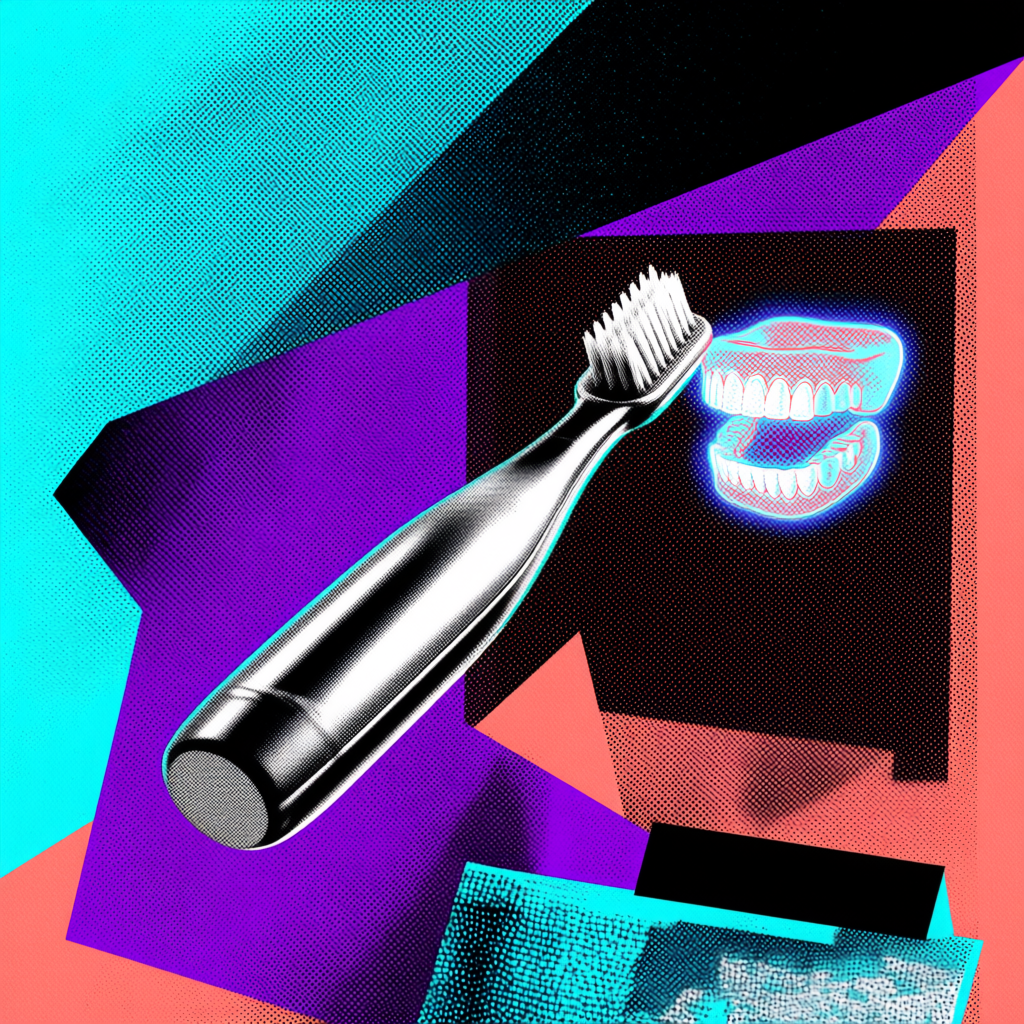
- Dyson enters the oral care sector with CameraJet, a high-tech toothbrush priced at $499/€479.
- The device uses a 100k-pixel macro camera and machine learning to detect gaps between teeth in real time.
- An automated conical jet of mouthwash targets these gaps, integrating brushing and flossing into one step.
- The system is backed by 16 million lines of code and an algorithm trained on 470,000 dental images.
Dyson has long built its reputation on the philosophy of taking a mundane household object and applying an almost obsessive level of engineering to solve a specific, overlooked problem. After dominating the markets for vacuum cleaners, air purifiers, and hair care, the company is now pivoting toward the bathroom mirror. With the launch of the Dyson CameraJet, the firm is attempting to disrupt the oral care industry by treating the human mouth as a precision engineering challenge.
The engineering behind the CameraJet
The CameraJet is not merely an electric toothbrush; it is a sophisticated piece of computer vision hardware. At its core lies a 100,000-pixel macro lens camera designed to see what the human eye cannot during a standard brushing session. This camera, powered by a system Dyson calls Gap Optical Targeting, captures 28 live images per second. The goal is to identify the interdental spaces—the gaps between teeth—where plaque typically accumulates and where traditional brushing often fails.
To make this vision-to-action pipeline work, Dyson utilized a massive dataset. The device runs on 16 million lines of code and an algorithm trained on 470,000 dental images. This machine learning framework allows the toothbrush to recognize the specific geometry of a tooth gap and trigger a response within 100 milliseconds. When a gap is detected, the device fires a conical burst of mouthwash directly into the space, effectively automating the flossing process while the user continues to brush.
Solving the flossing friction
The strategic angle for this product is behavioral. According to company data, 9 in 10 people do not floss as regularly as recommended, often citing the process as awkward or time-consuming. Furthermore, the average person spends only 45 seconds brushing, far below the two-minute clinical guideline. By merging brushing, flossing, and mouth-rinsing into a single gesture, Dyson aims to remove the friction that leads to poor oral hygiene.
The hardware differs from existing water flossers in its fluid dynamics. While traditional devices often use needle-type jets that can be aggressive on gums, the CameraJet employs a conical jet. This design is intended to remove more plaque while remaining gentler on the enamel and gingival tissue. To refine this, Dyson spent five years collaborating with the National University of Singapore's Faculty of Dentistry to develop a synthetic plaque substitute for testing and optimization.
A connected ecosystem for dental health
Connectivity is central to the CameraJet experience. The device integrates Wi-Fi and Bluetooth to sync with the MyDyson app, transforming a private routine into a data-driven health map. Users can access a real-time camera feed of their teeth, receive step-by-step cleaning guidance, and view a map of the areas they have successfully covered during a session.
The intelligence extends to the consumables as well. Each brush head contains an embedded RFID tag that tracks the number of cleaning cycles. This removes the guesswork from maintenance, as the system signals the user exactly when the head needs replacement. The brush heads themselves feature a dual-bristle design: stiffer center bristles for surface stains and a gentler outer row to protect the gumline. To support the jet system, Dyson is also introducing specialized low-foaming mouthwash and non-foaming toothpaste to ensure the device operates without excessive bubbles obstructing the camera lens.
Market positioning and the luxury price point
Priced at $499 in the US and €479 in European markets, the CameraJet is positioned firmly in the luxury tech segment. It is not competing with mass-market electric brushes but rather targeting the 'prosumer' who views health through the lens of optimization and technology. The device is available in two colors, Ceramic Ultra Blue and Ceramic Pink, and comes with a refill dock that can top up the 12.5ml mouthwash tank in just three seconds.
'Flossing is an awkward and time-consuming chore. Few of us do it even though we know we should... By combining a camera, machine learning, precision fluid dynamics, advanced brushing technologies, connectivity and WiFi, Dyson CameraJet introduces an entirely new way to keep your mouth healthy.'
This approach mirrors Dyson's previous entries into new categories. By identifying a concrete failure in current habits—the consistent missing of interdental spaces—and applying a disproportionate amount of engineering to solve it, the company seeks to create a new category of 'smart' oral care that moves beyond simple timers and pressure sensors.
The broader health implications
The launch comes at a time when the link between oral health and systemic wellness is receiving increased attention. Citing the World Health Organization's 2025 Global Oral Health Status Report, Dyson notes that nearly 3.7 billion people are affected by oral diseases globally. More importantly, poor oral health is increasingly linked to severe conditions, including Alzheimer's disease and heart disease. By attempting to increase the efficacy of plaque removal in hard-to-reach areas—claiming up to 69% more plaque removal than leading electric brushes—Dyson is positioning the CameraJet as a preventative health tool rather than just a grooming accessory.
Global business outlook and regulatory landscape
For entrepreneurs and tech firms in the USA and UK, the CameraJet represents a significant trend: the 'medicalization' of consumer electronics. As AI moves from the screen into physical hardware, we are seeing a shift toward devices that perform real-time diagnostic functions. In the US market, where the cost of dental care is high, a device that promises to reduce the need for professional deep cleaning could find a strong foothold, provided it maintains a clear distinction between a consumer wellness device and a regulated medical device.
From a regulatory perspective, the integration of cameras and AI in a personal care device brings data privacy to the forefront. For companies operating in the UK and USA, the collection of biometric dental imagery via the cloud (through the MyDyson app) will require rigorous adherence to data protection standards. While the EU's AI Act focuses heavily on high-risk AI, a device like the CameraJet falls into a more consumer-centric category, yet it still signals a future where personal health data is continuously streamed to the cloud for optimization. For local businesses in the health-tech space, the lesson is clear: the next frontier of disruption is not just in the software, but in the precision hardware that captures the data.
Further details on the product's technical specifications can be found via PR Newswire or the analysis of its market impact at Quartz.
FAQ
How does the Dyson CameraJet detect gaps between teeth?
It uses a 100,000-pixel macro lens camera and a machine learning algorithm trained on 470,000 dental images to identify interdental spaces in real time, capturing 28 images per second.
What is the price of the device?
The CameraJet is priced at $499 in the US market and €479 in Europe.
Does it replace traditional flossing?
The device is designed to automate the process by firing a conical jet of mouthwash into detected gaps, aiming to provide the benefits of flossing within the standard brushing routine.
How is the brush head maintained?
Each brush head contains an RFID tag that tracks usage and notifies the user via the app when it is time to replace the head.
Sources: Ilsole24ore, Cosmopolitan, Dyson ·
Scrivila qui: Susanna, l assistente AI di glacom, ti risponde via email con un approfondimento gratuito.
Nessuna consulenza personalizzata (finanziaria, legale o medica): solo informazione e fonti. Email usata solo per rispondere.
oppure scrivile su: WhatsApp · Telegram · SimpleX · Delta Chat · Email