



Tesla to Sell Cybercab Robotaxis by End of 2026 Amid Federal Probe
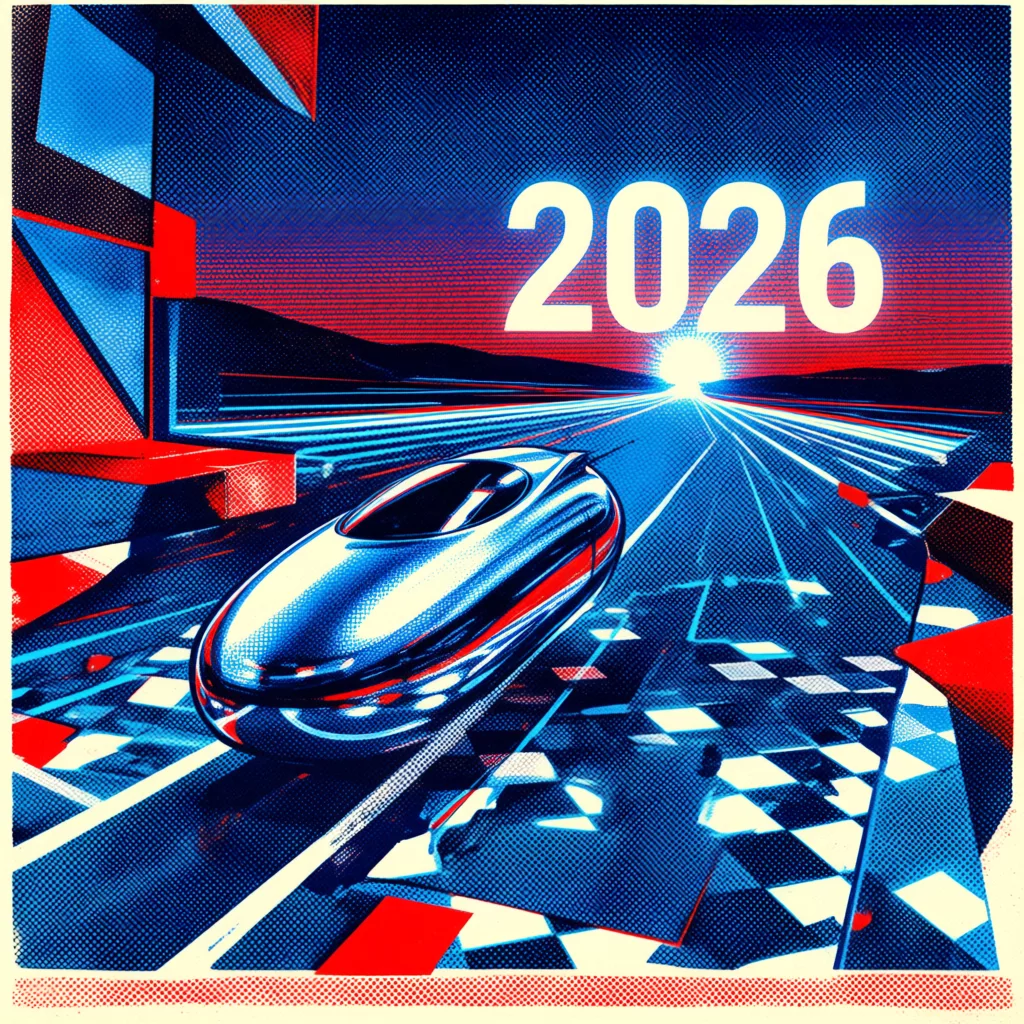
- Tesla aims to begin selling Cybercab autonomous vehicles to customers by the end of 2026.
- The vehicle lacks traditional manual controls, including steering wheels, pedals, and mirrors.
- Most Cybercabs will remain Tesla-owned for its own ride-service operations.
- The NHTSA is investigating whether these vehicles comply with federal safety regulations.
Tesla is pivoting its autonomous vehicle strategy. During its third-quarter earnings call, the company revealed plans to begin selling the Cybercab to customers by the end of 2026. This move marks a significant departure from previous assertions by CEO Elon Musk, who for years suggested that existing Tesla owner vehicles would be converted into robotaxis via software updates. Instead, the company is now pushing a purpose-built, gold-hued two-seater designed specifically for autonomy.
A shift in the robotaxi blueprint
For a long time, the narrative surrounding Tesla's autonomous future centered on the democratization of the taxi fleet through the existing consumer base. The idea was simple: a software update would turn a private car into a revenue-generating asset. However, that vision has remained elusive. The current reality, as articulated by Lars Moravy, Tesla's vice president of engineering, focuses on the Cybercab, a vehicle that removes the human from the equation entirely.
The Cybercab is not a traditional car. It features butterfly doors and completely lacks a steering wheel, brake pedals, and mirrors. Because it is designed solely for autonomous operation, it relies entirely on Tesla's Full Self-Driving software. While Tesla currently offers a supervised version of this system to its customers, the Cybercab represents the leap toward an unsupervised future. Tesla has indicated it may begin activating Unsupervised Full Self-Driving on certain vehicles by the second quarter of 2027.
Scaling through fleet ownership
Despite the intention to sell these vehicles to the public, Tesla does not intend to relinquish control of the network. Elon Musk admitted that the vast majority of Cybercabs will remain Tesla-owned, serving as the backbone of the company's own ride-service operations. The strategy appears to be a hybrid model: maintaining a massive corporate fleet while selling smaller batches of vehicles to third parties to test the waters of ownership and fleet management.
Tesla is not targeting the average individual consumer for these initial sales. Instead, the company is seeking entities capable of helping build the robotaxi network. This suggests that the primary buyers will be corporate partners or fleet operators who can deploy multiple units at once. Moravy noted that the company will start small, using these early deliveries to gather data on how autonomous vehicles are managed in customer hands before scaling production.
The regulatory clash with NHTSA
The ambition to deploy steering-wheel-less cars has immediately collided with federal oversight. The National Highway Traffic Safety Administration (NHTSA) has opened an investigation into the Cybercab to determine how Tesla certified that the vehicle meets federal safety standards. This is a critical friction point because current US regulations were written decades ago and generally require manual controls for vehicles on public roads.
The US auto safety agency probes the vehicles that come without manual controls which federal regulations typically require.
The tension arises from the unique nature of the US regulatory environment. Unlike many international markets where new vehicle technologies must receive government clearance before launch, US automakers can deploy vehicles by self-certifying that they meet federal standards. Tesla has self-certified the Cybercab, but the NHTSA investigation seeks to verify the basis of that certification. If the agency finds the vehicles non-compliant, Tesla's timeline for commercial sales could be severely disrupted.
Production and early deployment in Austin
While the broader rollout is planned for the end of the year, the Cybercab is already a physical reality. Production is currently underway at the Gigafactory in Texas. Until now, these vehicles have been reserved for Tesla's internal fleet. The public got its first taste of the service in September 2026, when Tesla began offering paid rides via a Robotaxi app in Austin, Texas.
This limited launch served as a live demonstration of the technology, attracting influencers and enthusiasts. However, it also served as the catalyst for the federal probe, as the deployment of vehicles without manual overrides on public streets raised immediate red flags for regulators. The gap between the technical capability of the AI and the legal framework of the road remains the primary hurdle for the company.
From EV maker to AI robotics firm
The push for the Cybercab is part of a larger strategic pivot. Musk has been vocal about his desire to transition Tesla from a traditional electric vehicle manufacturer into an AI and robotics company. The Cybercab is the centerpiece of this transition, acting as a physical manifestation of Tesla's AI progress. By removing the steering wheel, Tesla is signaling that it no longer views the human driver as a necessary fail-safe, but rather as an obsolete component of the transportation process.
This transition involves a complex interplay of hardware and software. While the gold-hued chassis attracts attention, the real value lies in the data being gathered from the Austin fleet and the ongoing updates to the Full Self-Driving suite. As TechCrunch reports, the company is using this phase to learn the intricacies of autonomous delivery and ownership before attempting a global scale-up.
Global implications for business and regulation
For international entrepreneurs and fleet operators in the USA and UK, the Cybercab's arrival signals a shift in the cost structure of urban logistics and transport. In the US, the battle between self-certification and NHTSA oversight will set the legal precedent for all future autonomous pods. If Tesla succeeds in bypassing the requirement for manual controls, it opens the door for a new class of infrastructure-light transport businesses.
In the UK and other global markets, the path will likely be more stringent. Unlike the US model, the UK typically requires rigorous type-approval and regulatory clearance before such radical vehicle designs can hit the streets. Businesses looking to integrate these fleets must prepare for a fragmented regulatory landscape where a vehicle legal in Texas might be prohibited in London or Berlin. The ability to manage a fleet that is partially autonomous and partially supervised will be the key competitive advantage for the next generation of transport entrepreneurs.
FAQ
When will Tesla start selling Cybercabs?
Tesla aims to begin selling Cybercabs to customers by the end of 2026, starting with small-scale deliveries.
Does the Cybercab have a steering wheel?
No, the Cybercab is designed without a steering wheel, brake pedals, or mirrors, relying entirely on autonomous software.
Who is Tesla targeting for the initial sales?
Tesla is looking for entities and companies that can help build its robotaxi network, suggesting a focus on fleet operators rather than individual consumers.
Why is the NHTSA investigating the Cybercab?
The agency is investigating whether the vehicle complies with federal safety regulations, which typically require manual controls for vehicles on public roads.
Sources: TechCrunch, Engadget, Money ·
Scrivila qui: Susanna, l assistente AI di glacom, ti risponde via email con un approfondimento gratuito.
Nessuna consulenza personalizzata (finanziaria, legale o medica): solo informazione e fonti. Email usata solo per rispondere.
oppure scrivile su: WhatsApp · Telegram · SimpleX · Delta Chat · Email