



AI Sentinels: How Wails Technology Prevents Whale-Ship Collisions
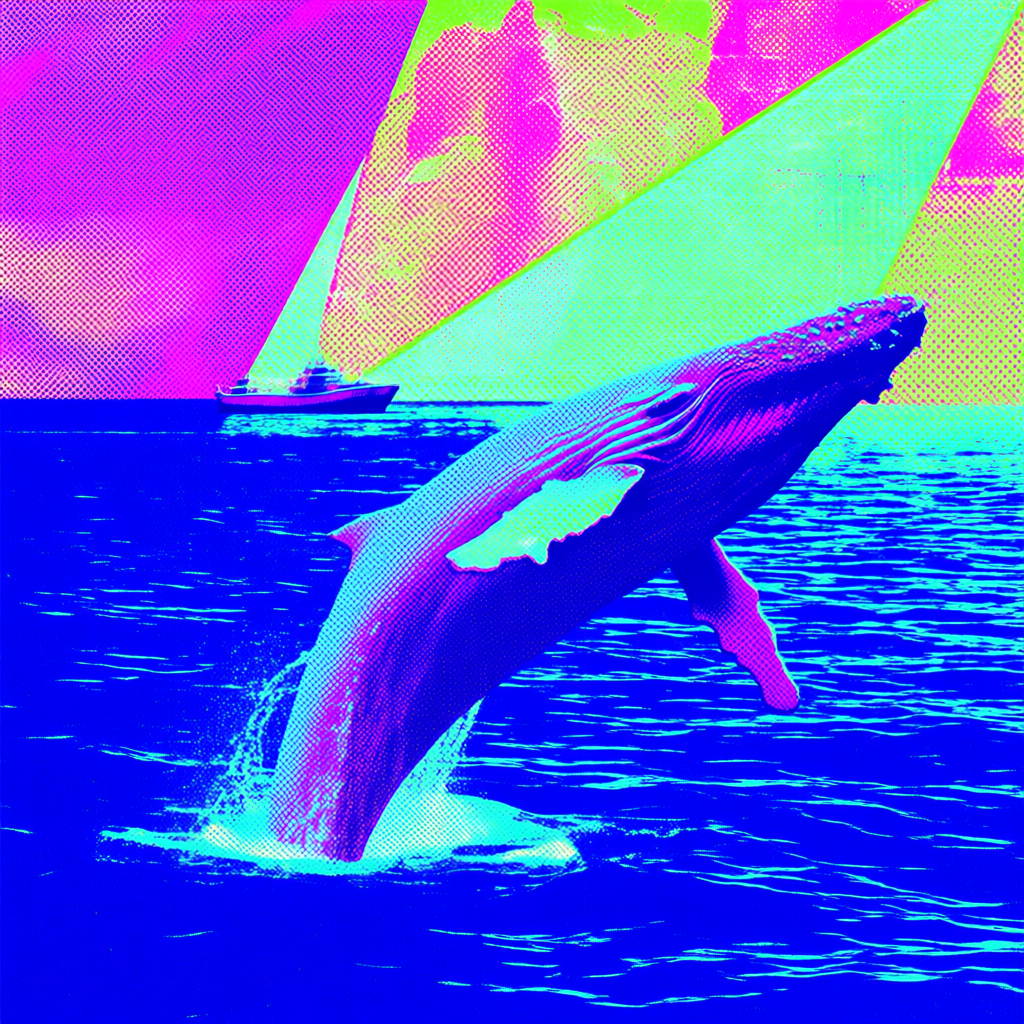
- Wails integrates AI, high-resolution cameras, and hydrophones to detect cetaceans in real-time.
- The system targets the Mediterranean, where 30% of global merchant traffic meets critical whale habitats.
- It reduces "near miss" incidents, which reach 3,500 annually in the Pelagos Sanctuary.
- Beyond safety, the platform generates automated ecological reports for scientific research.
The Mediterranean Sea presents a stark geographical paradox. While it accounts for less than 1% of the global ocean surface—specifically around 0.8%—it bears the burden of nearly one-third of all global merchant shipping traffic. This dense concentration of maritime activity transforms the basin into a high-speed aquatic highway that overlaps directly with the primary habitats of whales, sperm whales, and dolphins.
For these cetaceans, the result is a perilous coexistence. Beyond the pervasive threat of acoustic pollution and chemical contamination, the most immediate danger is the physical impact of massive vessels. In the Pelagos Sanctuary, a protected marine area spanning the waters of Italy, France, and Monaco, the scale of the risk is evident: experts estimate approximately 3,500 near misses every year. These are instances where ships and marine mammals come dangerously close to a collision, narrowly avoiding a potentially fatal encounter.
The architecture of the Wails monitoring system
To address this crisis, the group TimelapseLab, a company originally specialized in the remote monitoring of complex infrastructure and construction sites, has pivoted its imaging expertise toward marine conservation. The result is Wails, a technological sentinel designed to act as the eyes and ears of a vessel beneath the waves.
The platform does not rely on a single data source, which would be prone to errors in the unpredictable marine environment. Instead, it employs a multi-modal approach. The system integrates high-resolution cameras to capture visual data and hydrophones capable of detecting the specific vocalizations of cetaceans. These inputs are supplemented by environmental sensors that provide context to the surroundings.
The core of the technology lies in its artificial intelligence. AI algorithms process the visual and acoustic signals simultaneously. When a potential cetacean is detected, the system cross-references the different data streams to verify the event. This triangulation is critical for reducing false alarms, ensuring that crews are only alerted when a genuine risk is present.
Turning real-time alerts into operational safety
The primary application of Wails is currently focused on work ships and commercial vessels. When the AI confirms the presence of a marine mammal in the ship's path, the crew receives a real-time notification. This immediate feedback loop allows captains and operators to adjust their course or speed, transforming a potential collision into a managed encounter.
This shift from reactive to proactive navigation is essential in corridors like the Mediterranean, where the sheer volume of traffic makes manual spotting nearly impossible. By automating the detection process, Wails removes the reliance on human sight, which is often limited by weather conditions, nightfall, or the stealthy nature of diving mammals.
Beyond collision avoidance: a data goldmine
While the immediate goal is the prevention of ship strikes, the long-term value of the Wails platform lies in its capacity for data aggregation. Damiano Bauce, the founder of TimelapseLab and Wails, notes that the ocean generates a massive amount of information daily, most of which is lost because it is not captured systematically.
Wails changes this dynamic by transforming every voyage into a data-collection mission. At the conclusion of its operations, the system can produce automated reports that include:
- Precise GPS coordinates of all cetacean sightings.
- A comprehensive history of the vessel's routes.
- Detailed logs of the acoustic and visual detections.
This transition from occasional observation campaigns to continuous, automated monitoring provides a wealth of information for the scientific community. Researchers can use these datasets to track migration patterns, study the evolution of seabed ecosystems, and better understand how cetaceans interact with human industrial activity.
The intersection of industrial tech and marine biology
The development of Wails represents a broader trend of applying industrial AI to environmental protection. By leveraging the same imaging and monitoring logic used for land-based infrastructure, TimelapseLab has created a tool that serves two masters: the shipping industry, which seeks to minimize environmental impact and liability, and conservationists, who require hard data to protect endangered species.
The ability to monitor the evolution of the seabed and the movement of species in real-time allows for a more dynamic approach to marine protected areas. Instead of static boundaries, the data provided by Italian technology could eventually lead to adaptive shipping lanes that shift based on the actual presence of whales.
The ambition is to transform the enormous amount of information the sea produces every day into useful data for those who must protect, study, or manage it.
Global implications for maritime enterprises
For international ship owners and operators in the USA, UK, and global markets, the emergence of systems like Wails signals a shift in the expected standard of care for maritime operations. As ESG (Environmental, Social, and Governance) criteria become more stringent for investors and insurers, the adoption of AI-driven collision avoidance is likely to move from a voluntary 'green' initiative to an operational necessity.
In the United States, the Marine Mammal Protection Act (MMPA) already places strict regulations on the 'taking' of marine mammals. While the Mediterranean is the current focus, the scalability of this technology means that similar AI sentinels could be deployed in the North Atlantic or Pacific corridors. For UK-based shipping firms, integrating such technology can mitigate the legal and reputational risks associated with accidental strikes in protected waters.
Furthermore, as the EU moves toward stricter environmental monitoring through various maritime directives, the ability to provide automated, verifiable reports of cetacean avoidance will become a competitive advantage. Companies that can prove their routes are 'whale-safe' through AI-backed data will likely find easier paths to regulatory compliance and lower insurance premiums in the long run.
FAQ
What exactly is Wails?
Wails is an AI-powered monitoring platform developed by TimelapseLab that uses cameras, hydrophones, and sensors to detect cetaceans in real-time to prevent ship collisions.
Why is the Mediterranean specifically targeted for this technology?
Because it is a high-risk zone where 30% of global merchant traffic shares a small area (0.8% of global ocean surface) with critical populations of whales and dolphins.
How does the AI reduce false alarms?
The system cross-references visual data from high-resolution cameras with acoustic data from hydrophones to verify the presence of a cetacean before alerting the crew.
Does the system only serve to prevent accidents?
No, it also collects GPS coordinates and sighting data to create automated reports that assist scientific research and ecosystem conservation.
Sources: Repubblica, Today, Corriere ·
Scrivila qui: Susanna, l assistente AI di glacom, ti risponde via email con un approfondimento gratuito.
Nessuna consulenza personalizzata (finanziaria, legale o medica): solo informazione e fonti. Email usata solo per rispondere.
oppure scrivile su: WhatsApp · Telegram · SimpleX · Delta Chat · Email