



The CEO Sleep Guide: Optimizing Rest for High-Stakes Decisions
- Sleep has shifted from a sign of weakness to a modern status symbol for global CEOs.
- The global sleep economy now exceeds 0 billion, driven by high-end tech and biohacking.
- Sleep deprivation costs the US economy approximately 1 billion annually in lost productivity.
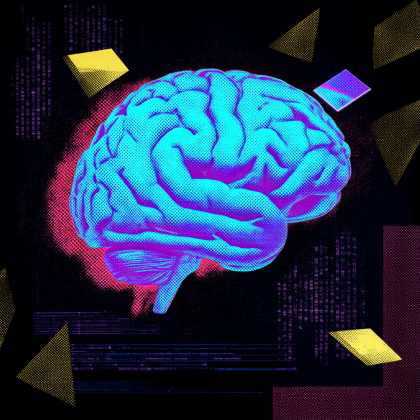
- Quality rest directly enhances prefrontal cortex functions essential for leadership and problem-solving.
For decades, the corporate archetype of the successful entrepreneur was defined by deprivation. The narrative praised the founder who survived on three hours of sleep and a steady stream of stimulants, treating exhaustion as a badge of honor. However, a fundamental shift is occurring in the boardrooms of the world's most powerful companies. Sleep is no longer viewed as a luxury for those in retirement; it has become a strategic tool for cognitive optimization and a new status symbol for the global elite.
The shift from sleep deprivation to strategic rest
The transition is evident in the testimonies of seasoned leaders. Peter Barsoom, a former Morgan Stanley employee and current head of a cannabis enterprise, spent twenty years adhering to the grueling schedule of the finance world. His routine involved going to bed after midnight and waking at 4:30 AM to cycle or swim before starting work at 7:30 AM. This mindset, where sleep was something reserved for retirement, has evolved. Barsoom now prioritizes six to eight hours of rest, utilizing tools like the Calm app to maintain mental clarity.
This evolution is mirrored by other high-profile executives. While figures like Jack Dorsey and Elon Musk were once cited for their minimal sleep patterns, current leadership trends emphasize long-term sustainability. Daniel Ramsey, CEO of MyOutDesk, notes that the modern executive understands that extreme deprivation is not a viable path to lasting success. For Ramsey, focusing on sleep and longevity makes the complexities of leadership—such as listening to employees without judgment and avoiding micromanagement—significantly easier to handle.
How the sleep economy functions
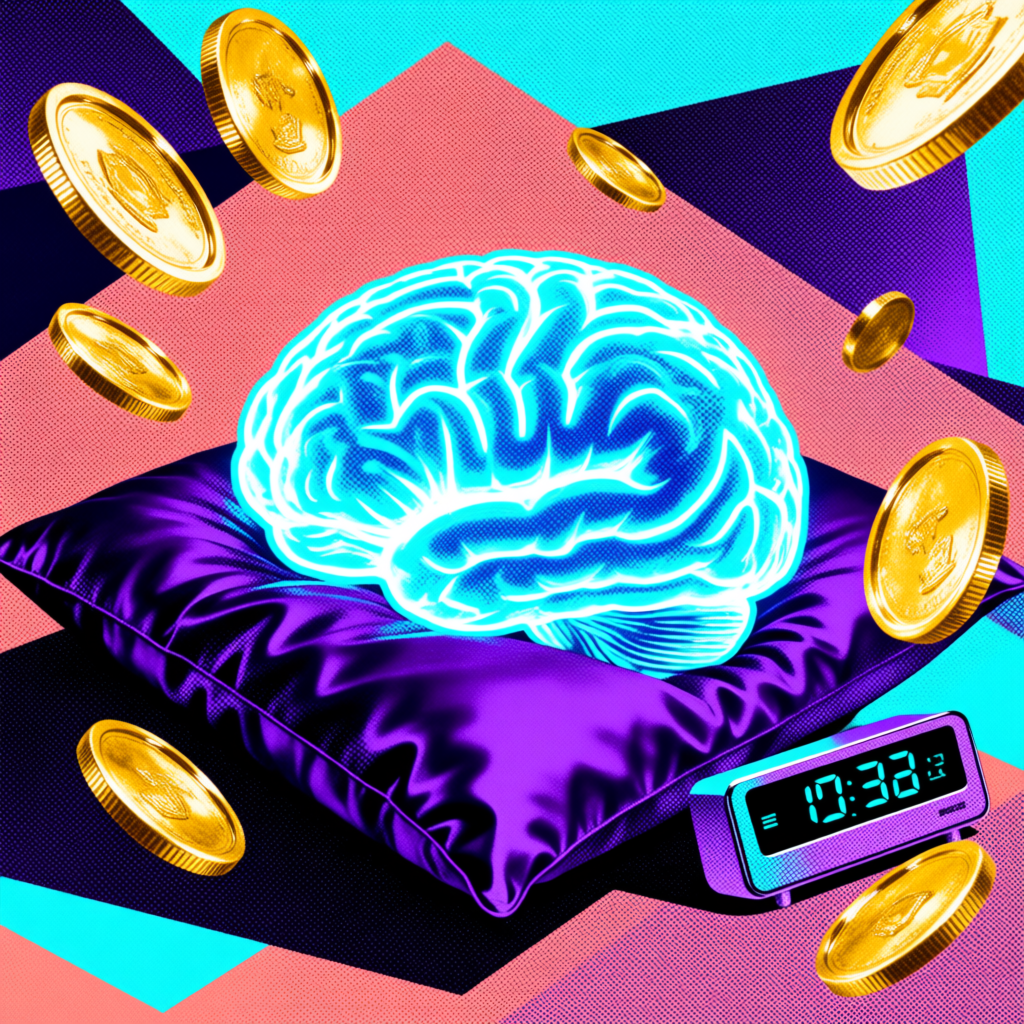
The pursuit of optimal rest has birthed a massive commercial ecosystem. The global sleep economy is now valued at over 0 billion, reflecting a surge in consumer investment in both low-tech rituals and high-end biohacking. This market spans a wide spectrum of price points and technologies, designed to maximize the efficiency of every hour spent unconscious.
Investment in sleep optimization typically falls into three categories:
Environmental Control: This includes high-end hardware, such as mattresses costing up to ,000, and specialized blackout masks to eliminate external stimuli.
Biometric Monitoring: The rise of 'sleepmaxxing' has popularized the use of smart rings and sensory watches. These devices track sleep cycles and quality, providing data that executives use to tweak their routines.
Behavioral Rituals: Many leaders adopt 'sacred rituals' to signal the brain to wind down. Arianna Huffington, CEO of Thrive, maintains a strict boundary by keeping phones out of the bedroom, reading engaging books, and drinking chamomile or lavender tea.
The biological link between sleep and leadership
The drive toward better sleep is not merely a wellness trend; it is grounded in neurological necessity. Research highlighted by McKinsey suggests that the best leaders are those who sleep well because of how rest affects the brain's architecture. Specifically, the prefrontal cortex—the area responsible for higher-order mental functions—is uniquely vulnerable to sleep deficiency.
When a manager is sleep-deprived, the prefrontal cortex struggles to maintain the functions required for effective leadership. This deficiency manifests in four critical areas:
First, it weakens the orientation toward results. Second, it impairs the ability to solve complex problems. Third, it limits the capacity to identify and consider alternative points of view. Finally, it reduces the ability to support and help others. In essence, a tired brain is a rigid brain, incapable of the flexibility and empathy required to lead a modern organization.
Quantifying the cost of exhaustion
The financial implications of poor sleep extend far beyond individual health, impacting national GDPs. The Rand Corporation has provided staggering data on the economic drain caused by insomnia and sleep deprivation. The cost is measured in lost productivity and increased absenteeism, creating a massive liability for advanced economies.
The economic burden of sleep deprivation is immense, costing the United States approximately 1 billion per year, Japan 8 billion, and Germany over billion.
These figures have led companies to realize that the cost of a tired workforce is higher than the cost of implementing wellness programs. This realization has shifted the corporate perspective from viewing sleep as 'time lost' to viewing it as an investment in human capital. A worker who is chronically fatigued is more prone to decision-making errors and illness, directly affecting the company's bottom line.
Innovative incentives and the sleep bonus
As the link between rest and revenue becomes clearer, some companies are moving beyond simple advice and into financial incentives. A new trend has emerged where employees are essentially paid to sleep. This is achieved through the implementation of 'sleep bonuses,' where the company provides the technology—such as smartwatches or sensory rings—to monitor rest quality.
Under these programs, employees who can prove they have slept at least seven hours per night for at least five days a week receive a financial reward. This approach treats sleep as a performance metric, similar to how sales targets are tracked. By incentivizing rest, companies aim to reduce the astronomical costs associated with productivity loss and errors caused by exhaustion.
Global implications for international business
For entrepreneurs and firms in the USA and UK, the shift toward a sleep-centric culture represents a significant change in the 'hustle culture' that has dominated Anglo-American business for decades. In the US, where labor laws are generally more flexible and the pressure for constant availability is high, the adoption of sleep-tracking bonuses may face scrutiny regarding privacy and the boundary between professional and private life. The use of biometric data to determine bonuses could trigger discussions around data protection and employee surveillance.
In the UK and other global markets, the trend aligns with a broader movement toward mental health awareness and corporate wellbeing. As companies compete for top talent, offering 'sleep-friendly' cultures—including the removal of the expectation for midnight emails—becomes a competitive advantage. For the international entrepreneur, the lesson is clear: optimizing sleep is no longer a personal health choice, but a professional requirement for maintaining the cognitive edge necessary to navigate volatile global markets. Investing in the sleep of a leadership team is, effectively, investing in the quality of the company's strategic decisions.
FAQ
What is the 'sleep economy'?
It is a global market valued at over 0 billion consisting of products and services designed to improve sleep, ranging from ,000 mattresses and smart rings to mental health apps like Calm and Headspace.
How does sleep deprivation specifically affect a manager's performance?
It impairs the prefrontal cortex, which negatively impacts problem-solving, result-orientation, the ability to see alternative perspectives, and the capacity to support team members.
What are 'sleep bonuses'?
These are corporate incentives where employees receive financial rewards for demonstrating, via wearable technology, that they have slept at least seven hours a night for most of the week.
What is the economic impact of poor sleep in the US?
According to the Rand Corporation, sleep deprivation and insomnia cost the US economy approximately 1 billion annually due to lost productivity and absenteeism.
Sources: Fortuneita, Quotidiano, Assidai ·
Scrivila qui: Susanna, l assistente AI di glacom, ti risponde via email con un approfondimento gratuito.
Nessuna consulenza personalizzata (finanziaria, legale o medica): solo informazione e fonti. Email usata solo per rispondere.
oppure scrivile su: WhatsApp · Telegram · SimpleX · Delta Chat · Email