



TRIP 2026: Redefining Urban Space through Art and Design in Turin
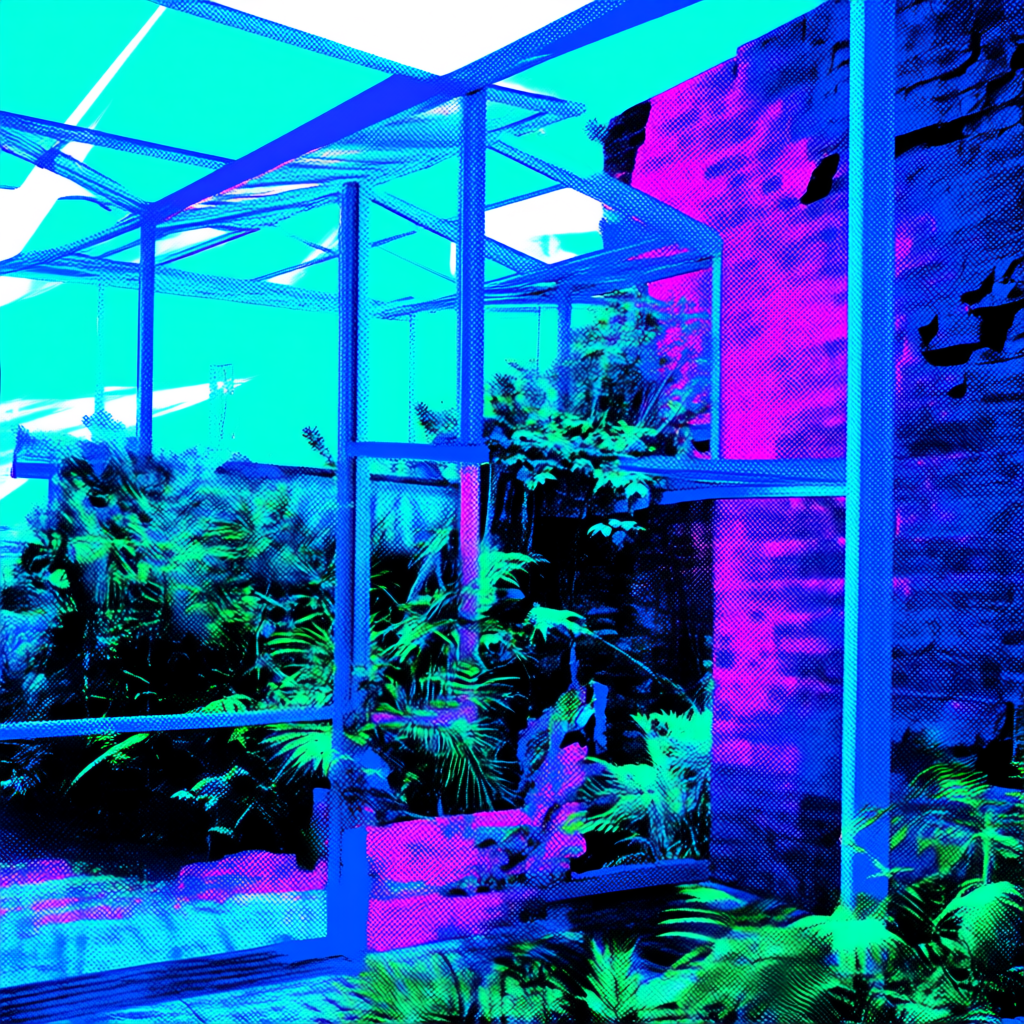
- TRIP 2026 returns to Turin on October 3-4, featuring 90 artists and designers across 25+ locations.
- The theme OLTRE focuses on breaking disciplinary and spatial boundaries within the Barriera di Milano district.
- The event transforms non-traditional spaces like workshops and labs into temporary exhibition hubs.
- Key highlights include the physical debut of TYLER's Metacognismo and a mix of established and emerging talent.
The intersection of urban regeneration and creative expression finds a potent manifestation in the Barriera di Milano district of Turin. On October 3 and 4, 2026, the city will host the third edition of TRIP, a decentralized festival dedicated to contemporary art, design, and architecture. Organized by the Barriera Design District and curated by Lucrezia Nardi, the event aims to reshape the perceived geography of the city by turning the neighborhood into a living gallery.
Breaking boundaries with the OLTRE concept
The 2026 edition is centered around the theme OLTRE, which translates to beyond. This conceptual framework serves as an invitation to transcend traditional disciplinary, spatial, and perceptive limits. Rather than confining art to the sterile white walls of a traditional museum, TRIP integrates creative works into the existing fabric of the urban environment. The relationship between the artwork and the specific site becomes the primary driver of the experience, challenging visitors to see the city not as a backdrop, but as an active participant in the artistic process.
This approach manifests in the selection of venues. The festival utilizes a diverse array of locations that are typically closed to the art-going public. Professional studios, industrial laboratories, production spaces, and local commercial activities are repurposed as temporary exhibition sites. By doing so, the festival creates a temporary exhibition geography that mirrors the complex, layered identity of the Barriera di Milano area.
A community-based curatorial model
At the heart of TRIP is a situated, community-based curatorial model. The festival does not simply land in the neighborhood; it grows from it. The organizational structure relies on a network of people and places that remain active throughout the year, ensuring that the event provides lasting value to the local population. This strategy transforms the district from a mere scenario into a co-constructor of the festival.
The physical layout of the event is designed around nuclei of proximity, facilitating a walkable exploration of the area. Key axes include the stretch between Barriera Design District, via Cervino, via Cigna, and the corridor connecting via Baltea and via Sesia. By anchoring the event in these specific streets, the festival encourages a slow, immersive discovery of the neighborhood's hidden architectural and social gems.
Diverse venues and industrial echoes
The scale of the 2026 edition is ambitious, involving approximately 90 artists and designers distributed across more than 25 locations. The variety of spaces reflects the industrial and artisanal heritage of Turin. Notable venues for this year include Docks Dora, Gagliardi, and Domke Contemporary, alongside the Magazzini Tessili. The inclusion of Cervino 28, which houses the Stefano Rastrelli collection, adds a layer of curated prestige to the raw, industrial atmosphere of the district.
Other participating spaces such as EDIT Loft, Seed Medical, Velvet Studio / Concreto, Spazio Ventre, and Estemporanea demonstrate the festival's ability to blend medical, design, and artistic environments. Furthermore, the involvement of grassroots cultural hubs like Via Baltea and Circolo Banfo ensures that the festival maintains a connection with the social reality of the territory, bridging the gap between high-concept design and community activism.
Bridging the virtual and the physical
One of the most anticipated highlights of the program is the work of TYLER, who is bringing Metacognismo from the virtual realm into a physical exhibition space for the first time. This transition exemplifies the OLTRE theme, pushing the boundaries between digital existence and tangible reality. It signals a broader trend in the contemporary art market where the distinction between the metaverse and physical galleries is becoming increasingly porous.
The roster of participants is a calculated mix of established names and emerging voices. The artistic side features contributors such as Katya Kabalina, Shiva Salehpour (via the RELIFE Residency), Matteo Melotto, and the duo Rosa Chemical + Edoardo Bansone. Other notable artists include VSTK, Lux Aeterna + Giovanni Lo Castro, Fabio Zanino, Diego Pomarico, Federico Masini, Diego Dominici, Zelinda Petrone, and Martino Giannone. This diversity ensures a dialogue between different generations of creators, fostering a cross-pollination of ideas and techniques.
Design excellence in an urban setting
While contemporary art provides the conceptual spark, the design component of TRIP provides the structural and aesthetic rigor. The festival showcases a wide array of design practices that challenge the traditional boundaries of the discipline. Participating design entities include Truly Design, TestaTonda, and John Blond for Iconico, as well as the work of Claudia Cordaro. These contributions highlight how design can be used as a tool for urban intervention and spatial reimagining.
The integration of architecture is equally vital, with firms like M/STUDIO Architects contributing to the dialogue on how built environments influence human behavior and social interaction. By placing these high-end design and architectural projects within the gritty, authentic context of Barriera di Milano, the festival strips away the pretension often associated with luxury design, making it accessible and relevant to a broader audience.
The festival works on the relationship between artistic practices, the identity of the places, and the communities that inhabit them, utilizing a model that is both situated and community-based.
Global implications for creative enterprises
For international entrepreneurs and creative agencies based in the USA or UK, the TRIP model offers a blueprint for place-making and urban branding. The ability to leverage existing industrial infrastructure to create a high-value cultural event without the need for permanent, costly museum infrastructure is a scalable strategy for city regeneration.
From a business perspective, the transition of digital assets (like Metacognismo) into physical spaces represents a growing opportunity for the 'phygital' economy. Companies specializing in AR/VR and immersive tech can look at these festivals as testing grounds for how virtual intellectual property can be monetized and experienced in the real world. In terms of regulation, while the EU AI Act focuses on the ethical deployment of technology, the creative application of AI in art—as seen in the emerging trends of this festival—generally falls under the umbrella of artistic freedom, provided copyright and data provenance are respected.
For UK and US firms looking to enter the European creative market, Turin is positioning itself as a hub where industrial heritage meets cutting-edge design. The success of the Barriera Design District suggests that there is significant appetite for projects that combine social sustainability with high-end aesthetic production. Investing in or partnering with these decentralized cultural models can provide international brands with authentic local engagement and a way to associate their identity with urban innovation and community growth. More information on the event's vision can be found via Hestetika.
FAQ
When and where does TRIP 2026 take place?
The festival takes place on October 3 and 4, 2026, in the Barriera di Milano district of Turin, Italy.
What is the main theme of the 2026 edition?
The theme is OLTRE (Beyond), which focuses on overcoming disciplinary, spatial, and perceptive boundaries.
How many artists and locations are involved?
The event features approximately 90 artists and designers across more than 25 different locations.
Is the festival open to the public?
Yes, the exhibitions are open to the public from 15:30 to 19:30 on both days of the event.
Scrivila qui: Susanna, l assistente AI di glacom, ti risponde via email con un approfondimento gratuito.
Nessuna consulenza personalizzata (finanziaria, legale o medica): solo informazione e fonti. Email usata solo per rispondere.
oppure scrivile su: WhatsApp · Telegram · SimpleX · Delta Chat · Email