




Waymo and Toyota Partner for Robotaxi Expansion in Japan and UK
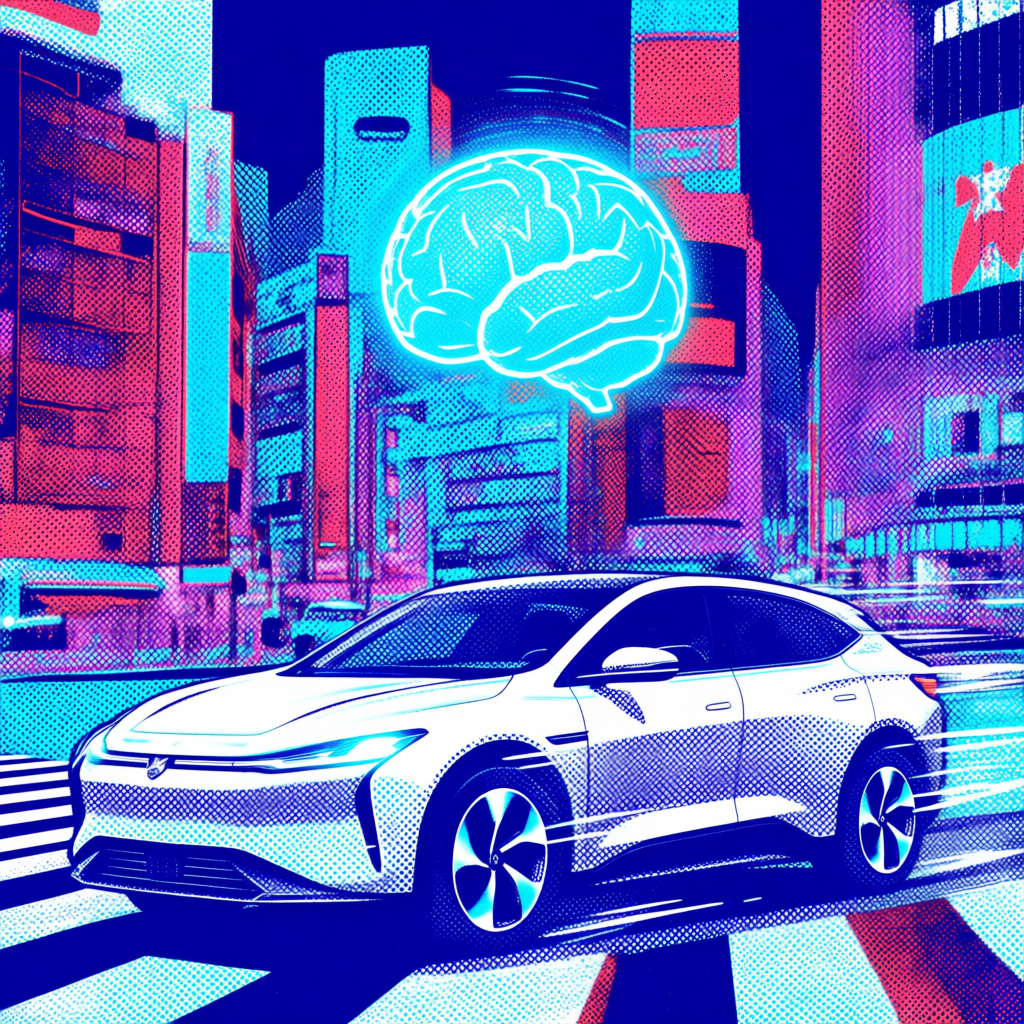
- Toyota will manufacture bZ4X electric vehicles with integrated Waymo AV hardware at its Takaoka plant.
- Initial testing begins in Japan in 2027, followed by deployment in the UK and other right-hand drive markets.
- The partnership explores bringing autonomous technology to personally owned Toyota vehicles.
- Both companies aim to use real-world operational data to improve overall road safety and infrastructure.
The landscape of autonomous mobility is shifting from experimental pilots to industrial-scale deployment. In a move that signals a transition toward mass-market viability, Waymo and Toyota have announced a comprehensive partnership to integrate the former's self-driving technology into the latter's electric vehicle fleet. This collaboration focuses specifically on the Toyota bZ4X, a model that will serve as the backbone for robotaxi operations in key international markets.
A strategic pivot toward right-hand drive markets
While Waymo has established a strong presence in the United States, the expansion into Japan and the United Kingdom represents a calculated move to conquer right-hand drive territories. The partnership is not merely a software license but a deep manufacturing integration. Toyota will produce the 2027 bZ4X vehicles at its Takaoka factory in Toyota City, Aichi Prefecture. Crucially, the entire assembly process will occur under one roof, combining the base vehicle construction with the installation of Waymo's autonomous hardware.
This vertical integration aims to solve one of the primary hurdles in the AV industry: the difficulty of retrofitting existing cars with complex sensor suites. By building the robotaxis from the factory floor, the companies can ensure a higher level of reliability and scalability. Japan will serve as the initial testing ground in 2027, providing a blueprint for the subsequent rollout in the UK. Waymo has already spent months testing autonomous Jaguar I-Pace vehicles in London, and the addition of a factory-integrated Toyota fleet is intended to accelerate the launch of a full ride-hailing service once the necessary permits are secured.
Beyond the ride-hailing model
Although the immediate focus is on commercial robotaxis, the scope of the agreement extends into the consumer automotive market. Toyota and Waymo have explicitly stated their intention to explore the integration of autonomous technology into personally owned vehicles. This suggests a long-term strategy where Level 4 autonomy moves from a service-based model (Robotaxi) to a product-based model (Private Ownership), potentially disrupting the traditional car ownership paradigm.
Furthermore, the collaboration involves Woven by Toyota to explore initiatives that transcend the vehicle itself. The companies plan to use data-driven intelligence and insights from Waymo's real-world operations to improve safety for all road users, not just those inside the autonomous pods. This includes investigating how vehicles can better integrate with traffic infrastructure to reduce the frequency of road safety incidents.
The engineering of rider accessibility
The choice of the bZ4X is not accidental. To succeed as a commercial ride-hailing platform, the vehicle must prioritize passenger experience and accessibility over mere technical capability. The custom-outfitted bZ4X is being designed with specific features to facilitate seamless entry and exit for a diverse range of riders.
Key enhancements include:
- Expanded rear legroom to ensure passenger comfort during urban trips.
- Automatic doors and a power liftgate to assist those with limited mobility.
- Integrated ambient lighting to improve the interior atmosphere and safety perception.
These modifications reflect a shift in the industry's focus. The challenge is no longer just about making a car drive itself, but about making the experience frictionless for the end user.
From vague agreements to industrial reality
This announcement is the culmination of a process that began 18 months ago with a preliminary agreement. At its inception, the partnership was characterized by vague language, leaving the actual direction of the collaboration open to interpretation. The current deal transforms that exploratory phase into a conventional vehicle supplier arrangement, albeit one with high-tech integration.
For Waymo, this solves the regional supply chain problem, providing a reliable stream of vehicles tailored for specific international markets. For Toyota, it provides a direct pipeline to the most advanced autonomous driving software currently operating at scale. As noted by TechCrunch, the deal allows Waymo to fill regional needs while diversifying its robotaxi portfolio beyond its current fleet.
Toyota’s commitment to zero traffic accidents resonates deeply with us at Waymo, and we’re proud to work together toward safer roads for all.
Dmitri Dolgov, co-CEO of Waymo, emphasized the safety record of their technology, claiming that in their operational areas, the system has proven to be up to 20x safer than human drivers regarding serious crash injuries. This safety narrative is central to the partnership, as both companies seek to win public trust in markets like Japan and the UK, where regulatory scrutiny is intense.
Scaling the global autonomous business
The ultimate goal of this partnership is the achievement of large-scale commercial operations worldwide. By leveraging Toyota's global manufacturing footprint and Waymo's AI expertise, the duo aims to bypass the slow, iterative process of small-fleet testing. The Takaoka plant's ability to produce high-volume, domestically manufactured vehicles in Japan provides a scalable model that can be replicated in other regions.
The strategic alignment is clear: Toyota provides the hardware scale and manufacturing precision, while Waymo provides the 'brain' of the operation. This synergy is designed to accelerate the deployment of Level 4 autonomous vehicles, potentially reducing human-error accidents and providing new mobility options for populations that currently struggle with traditional transit.
Implications for international business and regulation
For entrepreneurs and business leaders in the USA, UK, and global markets, this partnership highlights a critical trend: the convergence of Big Tech and traditional automotive giants. The move suggests that the 'winner-take-all' approach to AV development is being replaced by strategic ecosystems.
In the United States, the regulatory environment remains fragmented, but the success of Waymo's current operations provides a foundation for further expansion. In the United Kingdom, the path to commercialization depends heavily on receiving the necessary permits, as Waymo is currently in the testing phase with Jaguar vehicles. The introduction of factory-built Toyotas may simplify the certification process by providing vehicles that meet stringent automotive safety standards from the point of manufacture.
For businesses in the logistics and urban mobility sectors, this news signals that the infrastructure for autonomous ride-hailing is moving toward a standardized, industrial phase. Companies should prepare for a market where autonomous fleets are not just niche experiments but integrated components of urban transport, potentially impacting everything from insurance models to city planning and last-mile delivery services.
FAQ
When will the Toyota bZ4X robotaxis start testing in Japan?
Testing is scheduled to begin in 2027.
Which factory will be responsible for producing these autonomous vehicles?
The vehicles will be manufactured and integrated at Toyota's Takaoka plant in Toyota City, Aichi Prefecture, Japan.
Will these autonomous vehicles be available for private purchase?
Currently, the focus is on robotaxi operations, but Toyota and Waymo are exploring the possibility of bringing this technology to personally owned vehicles in the future.
Which other markets are targeted for deployment after Japan?
The United Kingdom and other right-hand drive markets are planned for deployment in the years following the initial Japan tests.
Sources: TechCrunch, Waymo, Autonews ·
Scrivila qui: Susanna, l assistente AI di glacom, ti risponde via email con un approfondimento gratuito.
Nessuna consulenza personalizzata (finanziaria, legale o medica): solo informazione e fonti. Email usata solo per rispondere.
oppure scrivile su: WhatsApp · Telegram · SimpleX · Delta Chat · Email