



OpenAI Enables Automatic Creative Enhancements for ChatGPT Ads
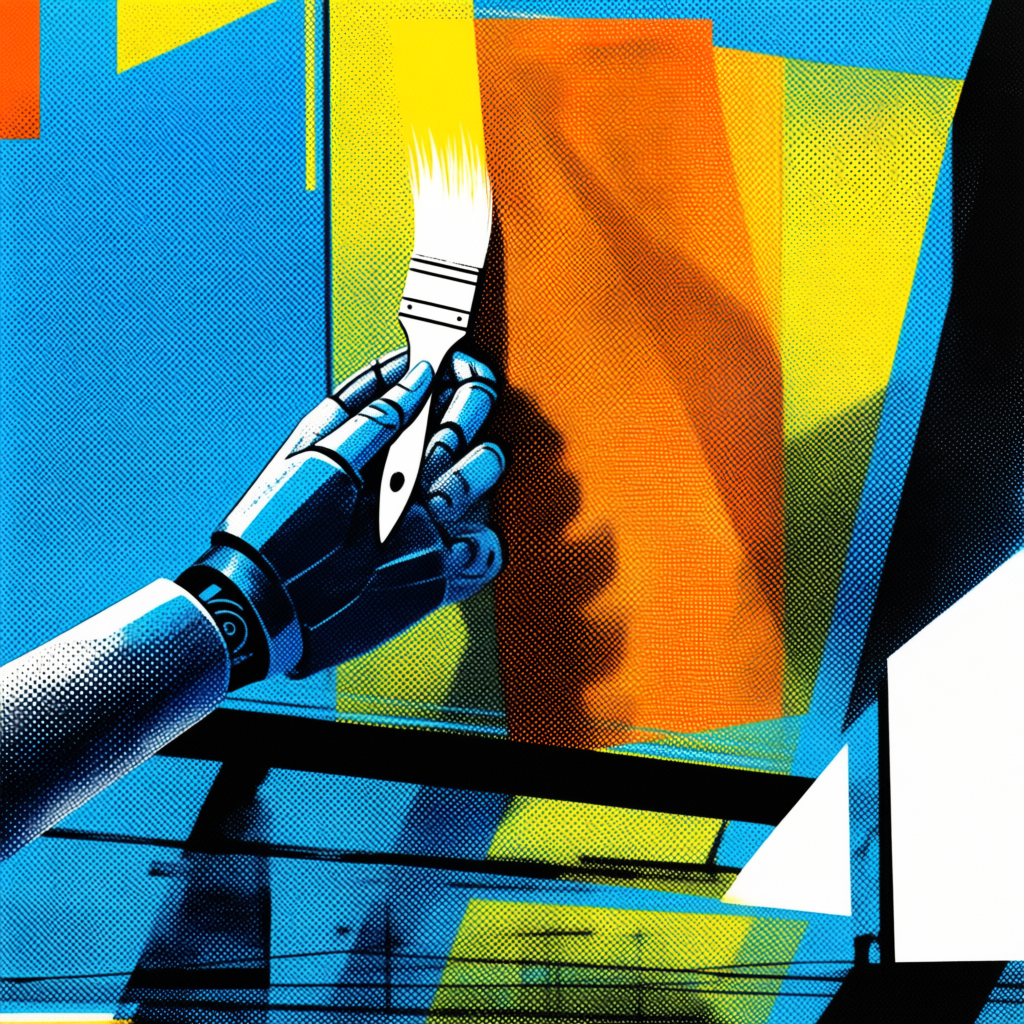
- OpenAI is enabling creative enhancements by default for all new and existing ChatGPT Ads campaigns starting October 30, 2026.
- The system can automatically rewrite headlines, descriptions, translate text, resize images, and optimize destination URLs.
- Advertisers no longer need to manually approve every AI-generated variation, though opt-out options remain available in Ads Manager.
- The ad stack operates via a separate LLM orchestrator to ensure sponsored placements do not influence organic AI responses.
OpenAI is shifting the control of ad creative from the human marketer to the machine. Starting October 30, 2026, the company is activating creative enhancements by default for both new and existing campaigns within the ChatGPT Ads ecosystem. This move signals a transition toward a fully autonomous advertising model where the AI does not just place the ad, but actively rewrites it to fit the immediate context of a user conversation.
The end of manual ad approval
For years, digital advertisers have been accustomed to a workflow of drafting multiple versions of an ad, testing them, and approving specific copy before it goes live. OpenAI is dismantling this process. With creative enhancements enabled, the advertising system can modify ad copy and destination URLs without requiring the advertiser to review or approve each individual version. This means that the version of an ad a user sees may never have been explicitly written or seen by the brand owner.
The system operates by analyzing the subject matter of the ongoing conversation, the user's specific interests, and the existing content on the advertiser's landing page. These variations can be generated in advance or created in real-time as the dialogue unfolds. Because the Ads Manager does not provide a preview for every single AI-generated iteration, brands are essentially trusting the LLM to maintain their voice and accuracy while optimizing for conversion.
What the AI can actually change
The scope of these automatic adjustments is broad, covering almost every visual and textual element of the sponsored placement. According to Search Engine Journal, the system can rewrite headlines and descriptions entirely or create new ones from scratch. It can also translate ad text into different languages to match the user's preference, ensuring a seamless linguistic experience without the advertiser needing to launch separate localized campaigns.
Beyond text, the AI handles visual and structural optimizations. This includes resizing images to fit various ad formats and, perhaps most critically, optimizing the destination URL. Instead of sending every user to a generic homepage, the AI can choose a specific page on the advertiser's website that it deems more relevant to the current conversation. This level of dynamic routing aims to reduce friction in the user journey, though it removes the advertiser's direct control over the landing page experience.
Inside the ChatGPT ad stack architecture
To understand how these enhancements function, it is necessary to look at the underlying technical structure. OpenAI utilizes a custom LLM orchestrator that interprets multi-turn intent. This means the system does not just look at the last prompt entered by the user; it remembers details from earlier in the conversation to determine commercial intent. For example, if a user begins with general queries about fitness and later mentions a need for footwear, the ad stack connects these dots to serve a relevant shoe advertisement.
A critical point of contention for AI users has been whether paid placements influence the AI's organic answers. OpenAI asserts that the ad selection process is entirely separate from the answer generation process. Each uses its own models and code. The organic response is generated first, and the ads system then checks for a relevant sponsored placement to display below it. If the ads system lags or fails, the organic answer is still delivered, proving that the two systems do not rely on one another for output.
The advertising system also writes a short introduction explaining how the ad connects to the discussion, which remains separate from the advertiser's own headline and call to action.
Rapid growth and the billion-dollar milestone
The aggressive push toward automation comes amid staggering financial growth. OpenAI has reported that ChatGPT Ads reached a $1 billion annualized revenue run rate in less than 200 days after its launch. This rapid scaling is supported by a massive influx of businesses, with over 100,000 advertisers already utilizing the platform. While OpenAI has not released specific performance benchmarks for these advertisers, the speed of adoption suggests a high appetite for AI-driven lead generation.
The transition to default creative enhancements is likely a move to improve these performance metrics. By reducing the manual workload for advertisers and increasing the relevance of the ad to the conversation, OpenAI aims to increase click-through rates and conversion efficiency. As detailed by Search Engine Roundtable, the goal is to make ads feel less like interruptions and more like helpful suggestions within a natural flow of dialogue.
Managing risk and opting out
Despite the default activation, OpenAI is providing a safety valve for brands with strict compliance requirements or rigid brand guidelines. Advertisers can opt out of creative enhancements at either the account level or the campaign level within the Ads Manager. Campaign-specific settings take priority over account defaults, allowing a brand to experiment with AI-generated copy on some products while keeping a tight grip on others.
The risk for businesses lies in the lack of transparency regarding exactly what the AI is saying. In highly regulated industries—such as finance, healthcare, or law—an AI-generated headline that overpromises or misrepresents a service could lead to regulatory scrutiny. Since the system can translate text and rewrite descriptions on the fly, the burden of monitoring these autonomous variations falls on the advertiser, despite the lack of a comprehensive preview tool.
Global implications for US and UK enterprises
For businesses operating in the USA and UK, the shift toward autonomous ad creatives introduces a new layer of operational risk and opportunity. In the US market, where FTC guidelines on deceptive advertising are strictly enforced, the fact that an AI can rewrite ad copy without human approval creates a potential liability. If an AI-generated variation makes a claim that is not substantiated by the landing page or the product's actual capabilities, the brand—not OpenAI—will likely be held responsible for the misinformation.
In the UK, similar concerns regarding the ASA (Advertising Standards Authority) apply. The requirement for ads to be truthful and not misleading means that enterprises may find the default 'on' setting too risky for high-stakes campaigns. However, for SMEs and B2C companies in these regions, the ability to automatically localize and optimize ads for a global audience without hiring a massive creative team is a significant competitive advantage.
Ultimately, this update transforms the role of the digital marketer from a creator of assets to a curator of guardrails. The success of ChatGPT Ads for international firms will depend on their ability to provide the AI with high-quality landing page content, as the system uses that data as the primary source for its autonomous rewrites.
FAQ
When do the automatic creative enhancements start?
They are enabled by default for new and existing campaigns starting Friday, October 30, 2026.
Can I stop OpenAI from changing my ad copy?
Yes, advertisers can opt out of creative enhancements at the account or campaign level within the Ads Manager.
Does the ad system change the page the user lands on?
Yes, the system can optimize the destination URL to direct users to a more relevant page on the advertiser's website based on the conversation.
Do these ads change the actual answers ChatGPT gives to users?
No, OpenAI states that the ad selection system runs separately from the model that generates organic answers to ensure ads do not influence the AI's responses.
Sources: Searchenginejournal (2), Seroundtable ·
Scrivila qui: Susanna, l assistente AI di glacom, ti risponde via email con un approfondimento gratuito.
Nessuna consulenza personalizzata (finanziaria, legale o medica): solo informazione e fonti. Email usata solo per rispondere.
oppure scrivile su: WhatsApp · Telegram · SimpleX · Delta Chat · Email