



OpenAI Acquires Pierre Computer to Build Agent-Native Code Storage
- OpenAI is acquiring Pierre Computer Company to expand the infrastructure of its Codex platform.
- The deal integrates Code Storage, a Git hosting service designed for machine-speed code generation.
- Pierre's open-source libraries, Trees and Diffs, will remain open source after the acquisition.
- This move signals OpenAI's ambition to own the full developer stack, from model to storage.
OpenAI has officially announced an agreement to acquire Pierre Computer Company, Inc., a strategic move designed to accelerate the expansion of the native developer capabilities within its Codex platform. The announcement, made on November 4, 2026, marks a significant shift in how the AI giant views the software development lifecycle. Rather than remaining a tool that simply suggests code, OpenAI is now investing in the underlying infrastructure where that code lives, is managed, and is versioned.
The shift toward machine-speed infrastructure
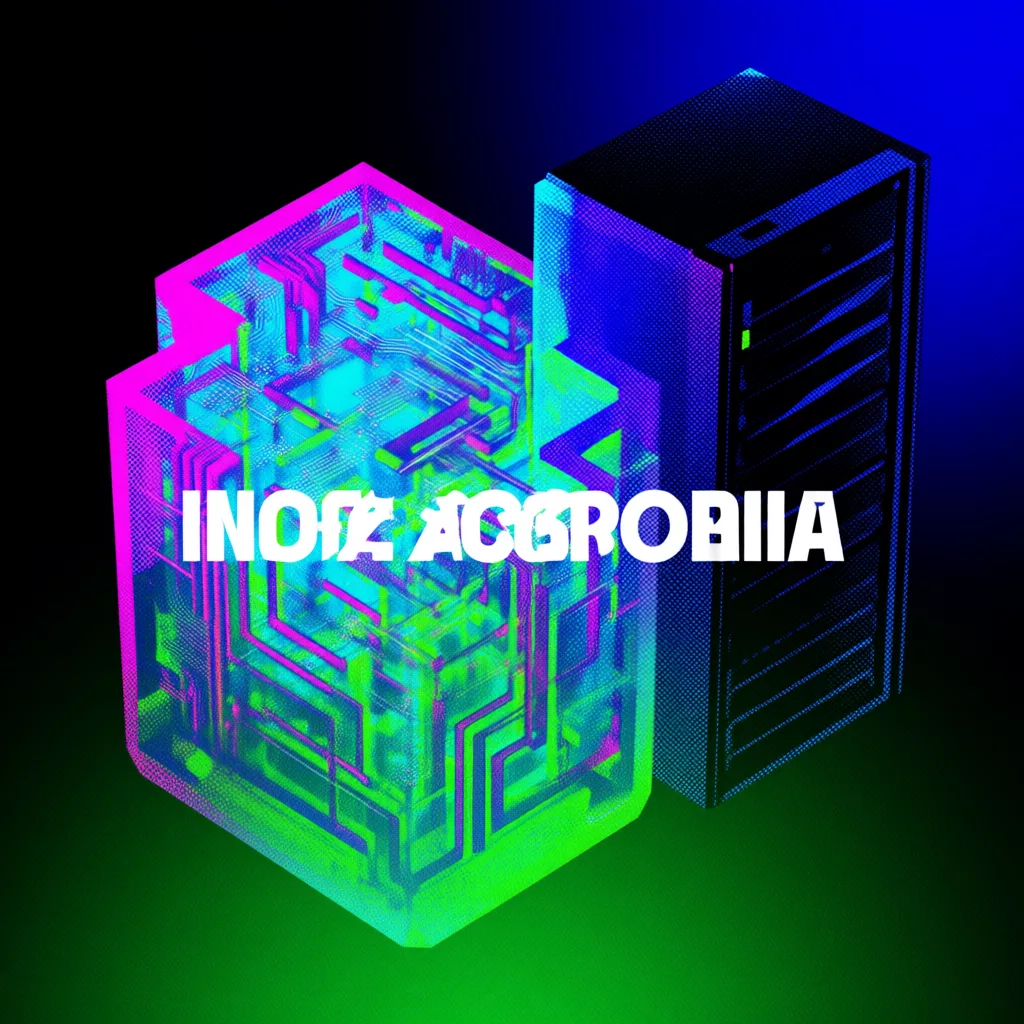
The core of the acquisition lies in Pierre's primary product, Code Storage. Unlike traditional Git hosting services, which are optimized for human workflows where developers push commits a few times a day, Code Storage is an API-first Git storage layer specifically engineered for software that writes software. As autonomous AI agents begin to generate vast volumes of parallel code, the traditional bottlenecks of version control become apparent.
OpenAI is targeting the specific infrastructure requirements of automated software engineering. When AI agents operate at scale, they create branches, pushes, and fetches at a frequency and volume that far exceed human capacity. By integrating Code Storage into Codex, OpenAI aims to create an environment where teams can build software alongside AI from the initial concept to the final shipped version, without the latency associated with legacy systems.
Integrating the Pierre ecosystem into Codex
The acquisition is not a sudden pivot but rather the formalization of an existing technical relationship. Pierre Computer Company, co-founded by Ian Ownbey and Jacob Thornton—the latter known as one of the creators of Bootstrap—already provides the open-source interface libraries that power parts of the current Codex experience. Specifically, the Diffs and Trees libraries, which handle file navigation and the rendering of code changes, are already operational within Codex.
OpenAI has committed to a two-pronged approach for the integration. First, the paid Code Storage service will be folded directly into Codex to provide a native backend for AI-driven development. Second, the company has pledged that Pierre's open-source projects will remain open source, with OpenAI continuing to contribute to their development. This balance allows OpenAI to capture the commercial value of the storage infrastructure while maintaining the community trust associated with the open-source tools developers already rely on.
A strategic challenge to the GitHub status quo
For years, the industry has viewed Codex as a sophisticated client that interacts with existing repositories, typically ending its workflow with a pull request on GitHub. However, this acquisition suggests that OpenAI may be positioning Codex as a direct alternative to GitHub rather than just a companion tool. By owning the source-control layer, OpenAI can optimize the entire pipeline for agentic workflows.
This ambition was foreshadowed just two days prior to the Pierre announcement, when OpenAI described Pando, its proprietary Git-compatible backend. OpenAI reported that Pando reduced median push latency by nearly 80% once Codex agents began generating code at machine speed. The acquisition of Pierre complements Pando, providing the specialized storage and review tools necessary to manage a world where the primary 'coder' is an AI agent.
Assembling the agent-native development stack
The purchase of Pierre Computer Company is part of a broader, aggressive acquisition strategy throughout 2026. OpenAI is systematically assembling a full-stack platform for AI agents, moving beyond the Large Language Model (LLM) to control the environment in which the model operates. This pattern is evident in several recent moves:
The OpenAI Pierre Computer acquisition is OpenAI’s clearest move yet to own more of the developer stack than just the model.
Earlier in the year, OpenAI acquired Astral, the team responsible for the high-performance tooling uv, Ruff, and ty. Following that, in June, the company acquired Ona, which provides secure cloud sandboxes for agent execution. When viewed together, these acquisitions cover the three critical pillars of the development process: Astral handles the tooling, Ona manages the execution, and Pierre provides the storage and review infrastructure.
Financials and regulatory hurdles
While the strategic intent is clear, the financial details of the deal remain undisclosed. No purchase price, closing date, or specific headcount figures have been published by either OpenAI or Pierre Computer Company. However, market analysts point to Pierre's November 2025 Series A funding round of $22 million as a benchmark, suggesting the acquisition price may be modest by OpenAI's standards, reflecting a strategic rather than purely financial valuation.
The deal is currently subject to customary regulatory approvals and completion conditions. Until the closing is finalized, both companies will continue to operate independently. For current Codex users, this means no immediate changes to their existing setups, though the roadmap now points toward a deeply integrated, native hosting experience.
Global implications for the tech enterprise
For businesses in the USA, UK, and global markets, this acquisition signals a transition toward 'Agentic DevOps.' Companies that currently rely on the traditional human-centric Git workflow may soon find themselves choosing between a human-optimized stack (like GitHub) and an agent-optimized stack (like the evolving Codex platform). For US-based enterprises, this could lead to a rapid acceleration in software production cycles, as the friction between AI code generation and repository management is removed.
From a regulatory perspective, particularly in the US and UK, this vertical integration may draw scrutiny regarding market competition in the developer tools sector. As OpenAI moves from providing a model to providing the entire infrastructure—storage, execution, and tooling—it creates a closed ecosystem that could potentially lock in developers. For global CTOs, the primary consideration will be interoperability; the ability to move code between an agent-native storage system and traditional enterprise repositories will be critical to avoid vendor lock-in while leveraging the speed of autonomous software engineering.
FAQ
What is Pierre Computer Company?
Pierre is a developer-tools startup that created Code Storage, a Git hosting service designed for AI agents, and open-source libraries like Trees and Diffs.
Will Pierre's open-source libraries remain free?
Yes, OpenAI has stated that the open-source projects, including the Diffs and Trees libraries, will remain open source after the deal closes.
How does this affect GitHub?
The acquisition allows OpenAI to provide its own code storage and version control, potentially making Codex a GitHub alternative instead of just a tool that integrates with it.
When will the integration be complete?
A specific closing date has not been announced, as the deal is still pending customary regulatory approvals.
Sources: Finance, Datastudios, Ailearningguides ·
Scrivila qui: Susanna, l assistente AI di glacom, ti risponde via email con un approfondimento gratuito.
Nessuna consulenza personalizzata (finanziaria, legale o medica): solo informazione e fonti. Email usata solo per rispondere.
oppure scrivile su: WhatsApp · Telegram · SimpleX · Delta Chat · Email