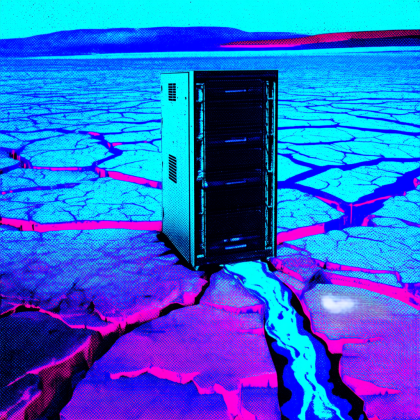




Arizona Data Center Clash: Tax Pauses and the AI Infrastructure War
- Governor Katie Hobbs enacted a three-year pause on sales tax exemptions for new data centers in the FY2027 budget.
- Attorney General Kris Mayes has called for a more drastic statewide moratorium on all new data center developments.
- The industry has driven over $109 billion in investment (July 2025 - June 2026) and supports nearly 88,000 total jobs.
- Tensions are rising over the environmental cost of AI, specifically regarding water scarcity and electricity demand.
The rapid ascent of artificial intelligence has transformed the physical landscape of the American Southwest. Arizona, once primarily known for its copper and climate, has evolved into a premier global technology hub. However, this growth has hit a political wall. The state is currently embroiled in a high-stakes debate over whether the economic windfall of the data center industry justifies the strain on its most precious resources: water and electricity.
The fiscal brake on digital expansion
The conflict reached a tipping point with the FY2027 state budget. Governor Katie Hobbs has implemented a three-year pause on sales tax exemptions for new data centers. This is not a total ban on construction, but it removes the financial honey that has attracted tech giants to the desert for over a decade. According to Representative Junelle Cavero, this strategic pause is expected to preserve roughly $57 million in taxpayer revenue over the next three years.
The objective is a comprehensive reassessment. The tax incentives currently under scrutiny were first established in 2013 and expanded in 2016. At that time, the industry was focused on basic cloud storage and digital records. The industry of 2026, however, is driven by the insatiable appetite of Large Language Models and generative AI, which require vastly more power and cooling than the infrastructure envisioned twelve years ago.
A call for a total development freeze
While the Governor focused on the treasury, other officials are eyeing the land. Attorney General Kris Mayes has pushed the envelope further, calling for a statewide moratorium on new development altogether. This proposal suggests that simply pausing tax breaks is insufficient to address the systemic risks posed by unchecked expansion.
The core of the argument for a total freeze lies in the collision between large-scale tech development and long-term environmental planning. In a region where the Colorado River is under constant pressure, the water consumption required to cool massive server farms has become a flashpoint for local communities. Residents and policymakers are increasingly questioning who bears the actual cost of this growth, specifically regarding the funding of new transmission lines and substations.
The economic weight of the data sector
Opponents of the moratorium argue that Arizona is risking a massive economic exodus. The numbers associated with the sector are staggering. Between July 2025 and June 2026, Arizona attracted more than $109 billion in investment. This is not merely a collection of warehouses, but a sophisticated ecosystem that supports the modern digital economy.
The employment impact is equally significant. Since the 2013 incentives began, the sector has grown to support over 20,000 direct jobs. When considering the ripple effect, the total number of positions reaches nearly 88,000. The industry's integration into the local economy is deep: every single data center job is estimated to support six additional roles in engineering, construction, and local trades. In 2024 alone, the industry contributed more than $1 billion in state and local taxes.
The industry of 2026 bears little resemblance to the industry lawmakers envisioned more than a decade ago.
Beyond AI: The invisible infrastructure
Much of the current political heat is centered on AI, but industry advocates like Steven Zylstra emphasize that data centers are the silent backbone of nearly every modern service. From telehealth and government records to simple mobile banking and photo streaming, the digital economy relies on this physical hardware. Stifling this development, proponents argue, would not only hurt the local economy but could cede technological leadership to other states like Virginia and Georgia, or even globally to China.
Companies like Meta have attempted to mitigate local concerns by investing in workforce training and higher education for Arizonans, attempting to create a sustainable talent pipeline that extends beyond the walls of the data center.
Resource scarcity versus technological ambition
The tension in Arizona reflects a global struggle: the need for computational power versus the limits of the planet. The primary concerns driving the current legislative push include:
- Water Security: The critical need for cooling in a desert environment during a period of Colorado River instability.
- Grid Stability: The massive increase in electricity demand and the question of who pays for the necessary infrastructure upgrades.
- Taxpayer Equity: Whether legacy incentives from 2013 are still appropriate for trillion-dollar tech entities.
- Land Use: The impact of massive facility footprints on local zoning and community planning.
As the state navigates this three-year window, the outcome will likely serve as a blueprint for other regions. The challenge is to find a middle ground where the state can remain a technology hub without compromising the basic resource security of its citizens.
Global Implications for Tech Investors and Firms
For international entrepreneurs and tech firms in the USA and UK, the Arizona situation is a warning sign that the era of unconditional incentives for data centers is ending. We are seeing a shift from economic attraction to resource accountability.
In the United States, this indicates that state-level regulations will likely become more fragmented. Companies can no longer assume that a favorable tax climate in one state will persist, especially as AI increases the energy load on local grids. In the UK and Europe, where energy costs are already volatile and environmental regulations are stringent, the Arizona model of a moratorium or tax pause could be mirrored to force tech companies into more sustainable cooling and power solutions.
For the global market, the lesson is clear: the next wave of AI infrastructure investment will not be won by the lowest tax rate, but by the most sustainable integration into the local ecosystem. Firms that proactively solve for water and energy efficiency will be the ones that avoid the political crosshairs of local governments.
FAQ
Why is Arizona pausing tax exemptions for data centers?
The state is evaluating whether incentives created in 2013 are still appropriate given the massive increase in water and electricity demand caused by AI and cloud computing.
What is the difference between the Governor's action and the Attorney General's proposal?
Governor Hobbs enacted a three-year pause on sales tax exemptions, while Attorney General Kris Mayes has called for a full statewide moratorium on all new data center development.
How much investment has Arizona attracted in this sector?
Between July 2025 and June 2026, the state attracted more than $109 billion in investment.
What are the main environmental concerns?
The primary concerns are the high volume of water used for cooling in a drought-prone region and the strain on the electrical grid.
Sources: News, Azcapitoltimes (2) ·
Scrivila qui: Susanna, l assistente AI di glacom, ti risponde via email con un approfondimento gratuito.
Nessuna consulenza personalizzata (finanziaria, legale o medica): solo informazione e fonti. Email usata solo per rispondere.
oppure scrivile su: WhatsApp · Telegram · SimpleX · Delta Chat · Email