



Spotify AI Remixes: The 2027 Plan to Monetize Generative Covers
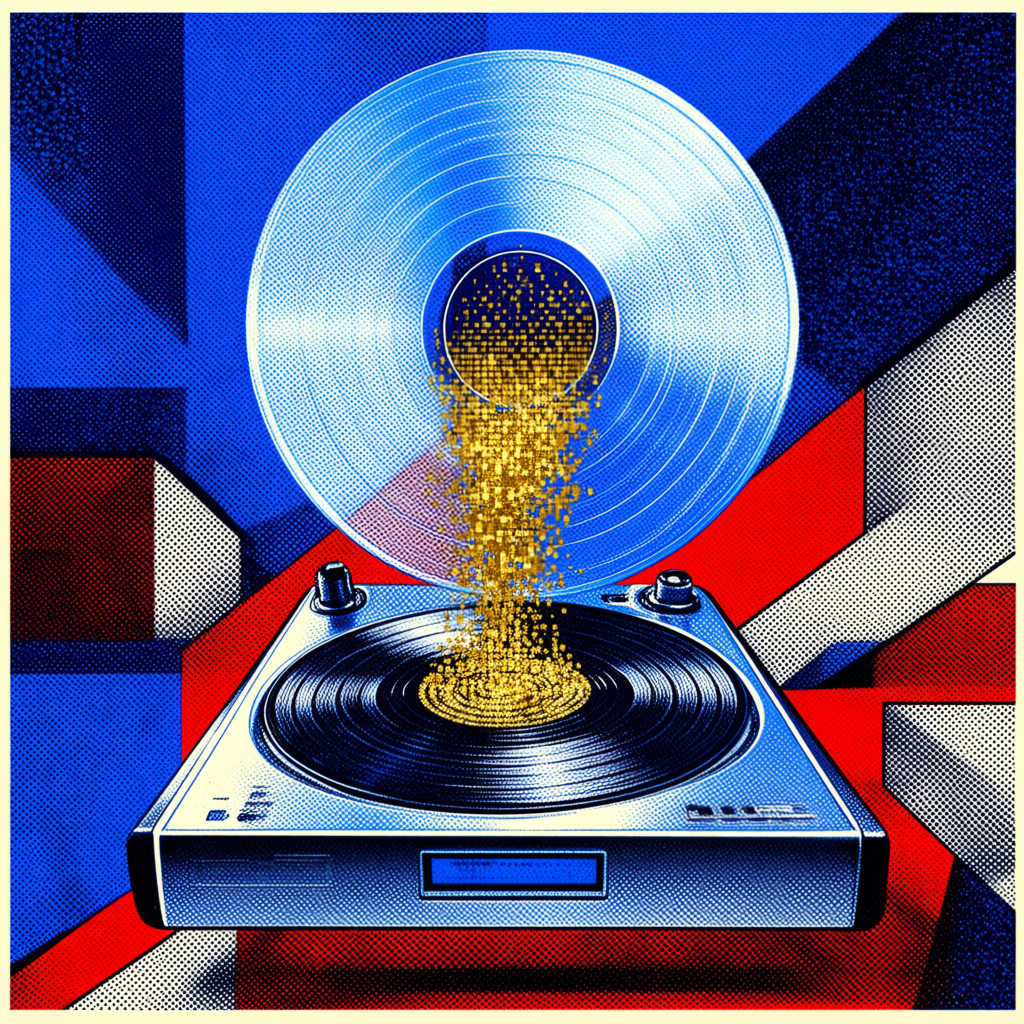
- Spotify aims to launch AI remix and cover tools in Q1 2027, potentially debuting near the Grammy Awards.
- The service will be a paid add-on, estimated between 4 and 5 dollars per month on top of Premium.
- Only artists who explicitly opt-in will have their tracks available for AI manipulation.
- The platform focuses on modifying licensed works rather than generating songs from scratch via prompts.
The boundary between listener and creator is about to blur further as Spotify prepares a fundamental shift in how users interact with music. Moving beyond simple curation and discovery, the streaming giant is developing a generative AI suite that allows subscribers to actively reshape the songs they love. This initiative, slated for a 2027 rollout, marks a strategic pivot toward the monetization of AI-driven creativity within a legally fenced ecosystem.
A new revenue stream for the Premium tier
While Spotify has long relied on a freemium model to drive growth, the upcoming AI features suggest a move toward more granular monetization. According to reports from the Financial Times, the company is considering a specific price point for these generative tools, estimated to be an additional 4 to 5 dollars per month. This fee would be stacked on top of the existing Premium subscription, creating a high-value tier for power users and aspiring bedroom producers.
The timing of the launch is as calculated as the pricing. Internal targets point toward the first quarter of 2027, with a high probability of a public unveiling around the Grammy Awards in February. By aligning the announcement with the music industry's most prestigious night, Spotify intends to frame this technology not as a replacement for artistry, but as a new medium for fan engagement.
How the AI manipulation engine works
Crucially, Spotify is not attempting to build a text-to-music generator that creates songs from a blank slate. Instead, the platform is focusing on the manipulation of existing, licensed intellectual property. This distinction is vital for avoiding the legal minefields that have plagued other generative AI ventures.
Users will be able to take a licensed track and transform its genre or vocal delivery. For instance, a folk song could be converted into a dance track, or a cover could be generated where a song is performed in the vocal style of another participating artist. This approach turns the music catalog into a set of modular building blocks, allowing the audience to customize their listening experience without bypassing the original copyright holders.
The battle for artist opt-ins
The success of this ecosystem depends entirely on the willingness of rights holders to participate. Spotify has already established a framework where artists and songwriters must explicitly choose to join the program. Participation is not a blanket requirement of a record deal; rather, it is an individual choice. Artists who opt-in will receive a share of the value generated by these AI-driven versions of their work.
However, securing these agreements has proven to be a mixed success. While Universal Music was the first major partner to publicly announce an agreement back in May, and Merlin has followed suit, the response from contemporary superstars has been more reserved. There is a notable trend where artists with legacy catalogs are more open to the idea than current chart-toppers, who may fear the dilution of their brand or the loss of control over their sonic identity.
Strategic alignment with the music industry
By partnering with major labels and independent distributors, Spotify is attempting to create a 'white-listed' AI environment. This is a direct response to the industry's fear of uncontrolled AI clones and unauthorized deepfakes. By keeping the tools within the app and limiting them to licensed content, Spotify ensures that the financial flow remains within the established music economy.
This strategy transforms the AI threat into a commercial opportunity. Instead of fighting generative AI in the courts, Spotify is building a gated garden where the AI serves as a tool for licensed remixing, ensuring that every 'AI cover' generated by a user still triggers a payment to the original creator.
Comparing the AI music landscape
The move toward a paid AI add-on reflects a broader trend in the tech industry where generative features are being moved behind paywalls to offset the high computational costs of running large models. Spotify's approach differs from open-source AI tools in one primary way: the legality of the source material.
The objective is not to generate from nothing, but to manipulate works that are already regularly licensed, ensuring artists maintain a level of control and compensation.
Implications for global business and the international market
For entrepreneurs and tech firms in the USA and UK, Spotify's roadmap provides a blueprint for integrating generative AI into existing subscription businesses. The key takeaway is the shift from 'disruptive AI' (which replaces the creator) to 'augmentative AI' (which allows the consumer to play with the creator's work under a license).
In the US market, where copyright litigation regarding AI training data is currently peaking, Spotify's opt-in model is a defensive masterstroke. It bypasses the 'fair use' debate by establishing direct contractual agreements. For UK-based creative agencies and tech startups, this signals a growing market for 'licensed AI' tools—software that doesn't just generate content, but manages the rights and royalties associated with that generation in real-time.
Furthermore, the introduction of a micro-subscription (the 4-5 dollar add-on) suggests that the market is ready for 'feature-based' pricing rather than just 'tier-based' pricing. Companies operating in the global SaaS space should note that users are increasingly willing to pay for specific AI capabilities if they provide a tangible, creative output that was previously reserved for professionals.
FAQ
When will Spotify's AI remix feature be available?
The service is expected to launch in the first quarter of 2027, with a potential announcement around the February Grammy Awards.
Will all songs on Spotify be available for AI remixing?
No. Only artists and authors who explicitly opt-in to the program will have their music available for manipulation.
How much will the AI service cost?
While not yet final, Spotify is evaluating an additional monthly fee of between 4 and 5 dollars for Premium subscribers.
Can users create entirely new songs from a text prompt?
No, the tool is designed to manipulate existing licensed works, such as changing a song's genre or creating a cover in another artist's style.
Scrivila qui: Susanna, l assistente AI di glacom, ti risponde via email con un approfondimento gratuito.
Nessuna consulenza personalizzata (finanziaria, legale o medica): solo informazione e fonti. Email usata solo per rispondere.
oppure scrivile su: WhatsApp · Telegram · SimpleX · Delta Chat · Email