




Google Ads Local Customer Optimization: Bridging Digital and Physical
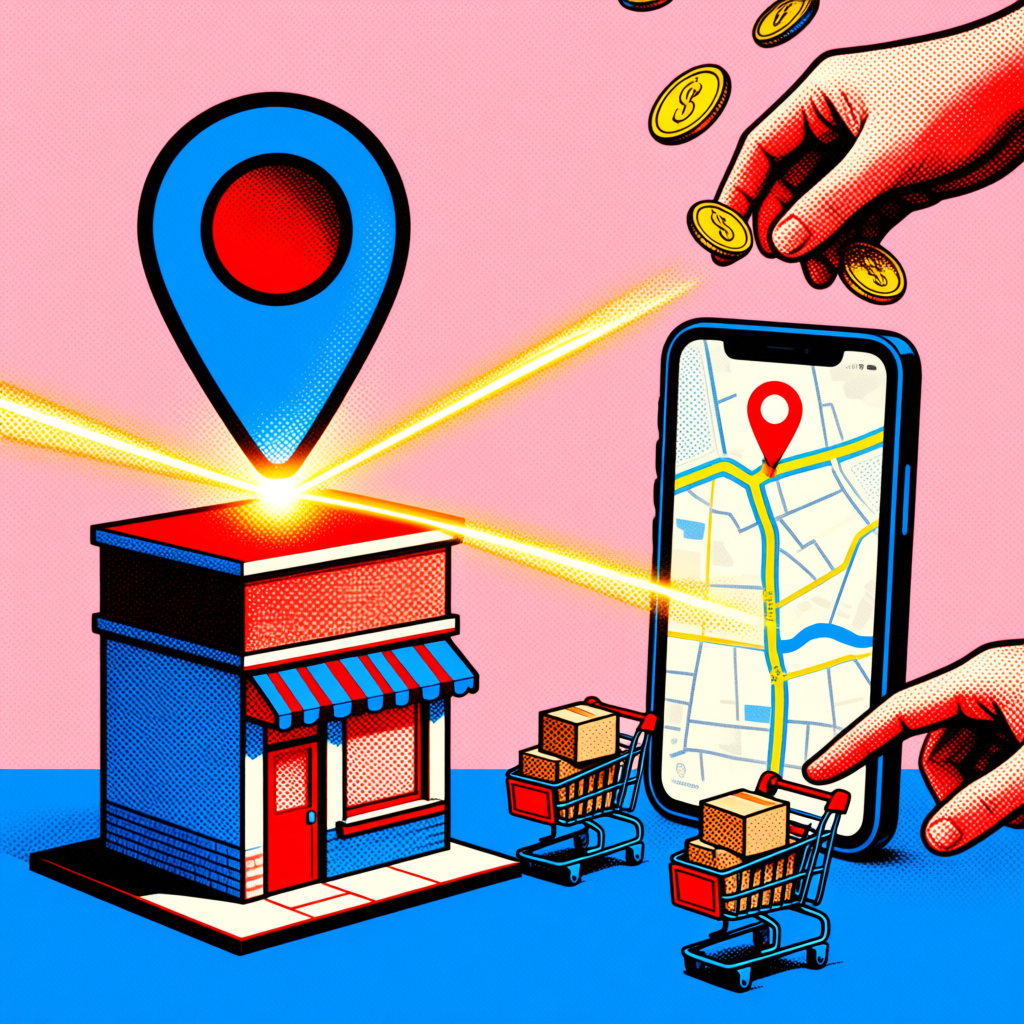
- Google Ads adds Local Customer Optimization to Performance Max for store-focused goals.
- New Store Sales feature in Data Manager simplifies importing offline transaction data.
- AI visibility via ChatGPT and Google AI Overviews is becoming a critical local SEO pillar.
- These updates target the Q4 holiday season to better link digital ads to physical foot traffic.
The boundary between a consumer's digital research and their physical purchase has always been a blind spot for digital marketers. For years, the challenge has been attributing a sale made at a cash register to a click that happened on a smartphone three hours earlier. Google is now attempting to close this gap with the introduction of Local Customer Optimization and enhanced Store Sales measurement tools.
These updates arrive at a strategic moment. As retailers prepare for the Q4 holiday shopping season, the synergy between online discovery and in-store execution becomes the primary driver of revenue. By integrating deeper signals from the Google ecosystem, the company is shifting Performance Max campaigns from general reach to high-intent local conversion.
Precision targeting through Local Customer Optimization
Google is introducing a new campaign-level setting within Performance Max specifically designed for store goals. Local Customer Optimization does not simply target a geographic radius; it prioritizes users who exhibit behaviors suggesting an immediate intent to visit a physical location. This includes individuals actively navigating via Google Maps, planning trips on Waze, or using local search formats on Google Search.
The goal is to capture the consumer at the exact moment they are ready to take action, whether that means requesting directions, making a phone call, or walking through the front door. For the entrepreneur, this means ad spend is shifted toward users with the highest probability of physical conversion rather than those merely browsing from a distance.
The technical constraints of Performance Max
While the new optimization tool offers significant potential, it comes with specific architectural limitations that advertisers must navigate. According to support documentation, Local Customer Optimization is not compatible with online campaign goals. This creates a binary choice for the advertiser: optimize for the web or optimize for the store.
Furthermore, a critical restriction exists for those using linked Merchant Center accounts. Retailers utilizing feed-based Performance Max campaigns cannot simply toggle this setting on within their existing structures. Instead, they must deploy a separate, eligible Performance Max campaign dedicated exclusively to store goals. This requirement forces a strategic separation of digital storefronts and physical locations in the account hierarchy.
Closing the attribution loop with Store Sales
Driving foot traffic is only half the battle; the other half is proving that the traffic resulted in revenue. Google is addressing this via the Store Sales feature now arriving in the Google Ads Data Manager.
This integration allows eligible advertisers to import in-store transaction data directly from CRMs or Google Sheets. By connecting physical purchases back to prior ad interactions, businesses can move beyond proxy metrics like store visits and move toward actual revenue attribution. This data then feeds back into Smart Bidding, allowing the AI to optimize campaigns based on actual offline revenue rather than just clicks or directions requests.
The rise of AI visibility in local discovery
Parallel to these paid updates, the organic landscape is shifting toward AI-driven recommendations. Local businesses are no longer just fighting for a spot in the traditional 'Map Pack' but are now competing for visibility within ChatGPT and Google AI Overviews. This new frontier, often referred to as AI Search Optimization or Generative Engine Optimization, relies heavily on the synthesis of third-party data.
Reviews have emerged as the most significant factor influencing whether an AI recommends a specific local business. For professional services, this shift is already evident. In Canada, for example, agencies like dNovo Group are increasingly focusing on visibility across platforms such as Gemini and Perplexity to help law firms surface in AI-generated answers, recognizing that prospective clients now use a fragmented journey of traditional search, local maps, and AI queries to select a provider.
Strategic implementation for the Q4 rush
To leverage these tools effectively before the holiday peak, businesses should consider a tiered approach to their local strategy. The integration of first-party data is the foundation; without a clean pipeline from the POS system to the Data Manager, the benefits of Smart Bidding for store sales remain theoretical.
The synthesis of data from various sources influences AI recommendations, with reviews being the most significant factor in determining if a business is chosen as a top recommendation.
Businesses should prioritize the following workflow to maximize the new Google Ads capabilities:
- Audit current Merchant Center feeds to determine if separate store-goal campaigns are necessary.
- Establish a recurring upload schedule for offline transaction data via Data Manager to keep reporting current.
- Audit AI visibility by testing brand queries in ChatGPT and Google AI Overviews to identify gaps in sentiment or mentions.
- Align local SEO efforts with a focus on review acquisition to feed the AI recommendation engines.
Global implications for US and UK enterprises
For businesses operating in the USA and UK, these updates signal a move toward a more holistic 'Omnichannel' measurement standard. In the US market, where retail competition is hyper-aggressive during Q4, the ability to optimize for 'immediate action' signals via Waze and Maps provides a distinct advantage in capturing impulse local shoppers.
From a regulatory perspective, the use of precise geolocation data for Local Customer Optimization remains a sensitive area. While the US has a more fragmented privacy landscape, UK businesses must ensure that their data collection for Store Sales—particularly when importing CRM data—remains compliant with UK GDPR. The connection of offline sales to digital IDs requires transparent consent mechanisms to avoid regulatory friction.
Moreover, the redesign of search results in the European Economic Area (EEA) due to the Digital Markets Act (DMA) shows that Google is capable of radically altering its interface to meet legal requirements. While the US and UK have not seen similar mandates yet, the trend toward transparency in how aggregators and direct suppliers are displayed suggests that local businesses should diversify their visibility across both paid Google channels and independent AI platforms to mitigate the risk of sudden algorithmic or regulatory shifts.
FAQ
Can I use Local Customer Optimization in my existing feed-based Performance Max campaign?
No, it is not compatible with campaigns advertising products from a linked Merchant Center account. You must create a separate Performance Max campaign focused on store goals.
How does Google determine if a user is ready to take an immediate action?
Google uses signals from users who are navigating, planning trips, or searching for locations across Google Maps, Waze, and local search formats.
What is the best way to improve visibility in AI-powered search results?
Focus on gathering high-quality reviews and building online authority, as reviews are the most significant factor in AI recommendations.
How does the Store Sales feature in Data Manager work?
It allows advertisers to connect offline transaction data from sources like CRMs or Google Sheets directly to Google Ads to track in-store purchases linked to ad interactions.
Sources: Searchenginejournal, Dailyseobrief, Seonews ·
Scrivila qui: Susanna, l assistente AI di glacom, ti risponde via email con un approfondimento gratuito.
Nessuna consulenza personalizzata (finanziaria, legale o medica): solo informazione e fonti. Email usata solo per rispondere.
oppure scrivile su: WhatsApp · Telegram · SimpleX · Delta Chat · Email