




Global AI Outage: ChatGPT, Claude, and Grok Crash Simultaneously
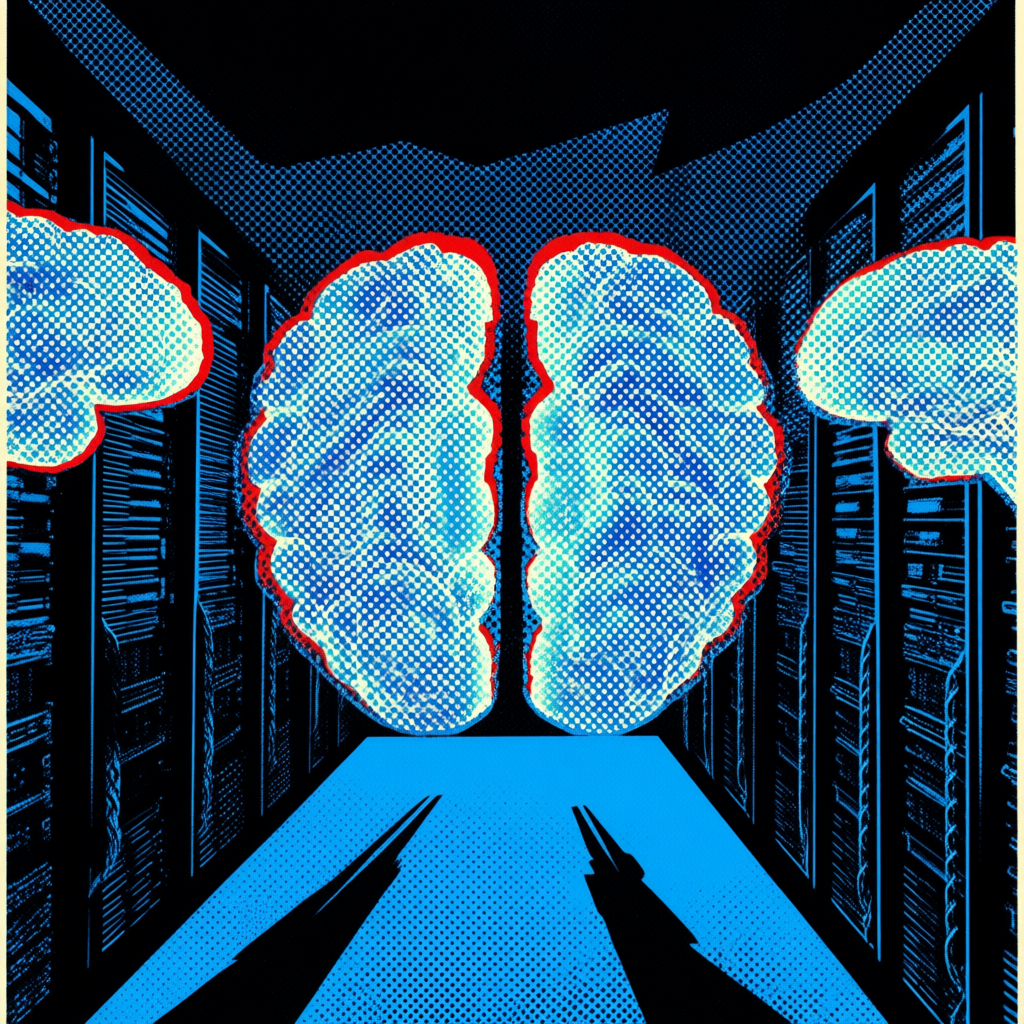
- Major AI platforms including ChatGPT, Claude, Grok, and Gemini suffered simultaneous global outages on September 3, 2026.
- OpenAI reported severe errors in both ChatGPT and its Codex programming tool, affecting tens of thousands of users.
- Anthropic confirmed issues with Claude's Opus 4.8 and Opus 5 models, while xAI's Grok faced a widespread interruption.
- Concurrent disruptions in Microsoft Azure cloud infrastructure suggest a systemic failure rather than isolated software bugs.
The global business community experienced a jarring wake-up call on Thursday, September 3, 2026, as the world's most prominent artificial intelligence platforms vanished from the digital grid almost simultaneously. In a rare and highly unusual event, users across more than 70 countries found themselves locked out of OpenAI's ChatGPT, Anthropic's Claude, and xAI's Grok, effectively paralyzing AI-driven workflows for millions of entrepreneurs and developers.
A synchronized collapse across the AI ecosystem
While individual service interruptions are common in the fast-paced world of SaaS, the timing of this event was an anomaly. Reports began surfacing in Spain during the afternoon, quickly cascading into a global phenomenon. According to data from DownDetector, the outage was not a slow burn but a sharp spike in failures. ChatGPT bore the brunt of the impact, particularly in the United States, where nearly 38,000 users reported issues by 11:00 AM local time.
The failure was not limited to consumer chatbots. OpenAI confirmed that the disruption extended to Codex, the specialized tool used by software engineers for programming tasks. This specific failure point highlights the vulnerability of the modern development pipeline, where AI assistants have moved from being optional luxuries to critical infrastructure for writing and debugging code.
Analyzing the impact on Claude and Grok
The instability was not an OpenAI-exclusive crisis. Anthropic, the developer of Claude, reported elevated error rates across several of its models. While the company managed to implement fixes for the Mythos 5.1, Fable 5.1, and Opus 5 models, the Opus 4.8 and Opus 5 versions remained unstable for a significant window of time. This fragmented recovery suggests that the outage may have affected different model architectures or hosting clusters with varying degrees of severity.
Simultaneously, Grok, the AI developed by Elon Musk's xAI, suffered a generalized interruption. DownDetector recorded a peak of 1,400 reports for Grok around 9:45 AM, coinciding closely with the failures seen in other platforms. Even Google's Gemini and Microsoft's Copilot were mentioned in user reports, though Google did not issue a formal outage notice, adding a layer of ambiguity to the total scope of the collapse.
The Azure connection: A single point of failure?
The most critical detail for business leaders is not the fact that the bots stopped working, but why they stopped working at the same time. Reports from Quartz indicate that Microsoft Azure, the cloud infrastructure that underpins several of these AI services, was experiencing its own set of disruptions on the same day.
This suggests a systemic vulnerability. If multiple competing AI companies rely on the same cloud provider for compute power and hosting, a single failure at the infrastructure level can trigger a domino effect. For the global market, this reveals a dangerous concentration of risk. The perceived diversity of the AI market—with various players like OpenAI, Anthropic, and xAI—is, in part, an illusion if they all share the same digital foundation.
Breakdown of service disruptions
The scale of the outage varied by platform and specific tool, as detailed in the reported data from the peak of the crisis:
- ChatGPT: 80% of reports related to the main chatbot, 8% to Codex, and 7% to the mobile application.
- Claude: Peak failure at 10:56 AM local time with 1,417 US-based reports.
- Grok: Peak failure at 9:45 AM local time with 1,400 reports.
- Gemini/Copilot: Widespread user reports of instability, though official confirmation varied.
The fragility of AI-integrated business models
For the modern entrepreneur, this event serves as a case study in dependency. Many firms have integrated AI into their customer service, content generation, and data analysis pipelines. When these services fail simultaneously, there is no immediate 'failover' option if the alternative service is also down. The reliance on a few dominant LLMs (Large Language Models) creates a bottleneck that can halt productivity on a global scale.
The coincidence of these failures in such a short window of time is a notable anomaly that underscores the interdependence of the current AI landscape.
The recovery process was gradual. OpenAI's status page indicated that while corrective measures were applied, the service remained in a monitoring phase for several hours, with some users still experiencing intermittent errors late into the evening. This lingering instability suggests that the underlying cause was not a simple switch but a complex interaction between cloud resources and model deployment.
Strategic implications for US and UK enterprises
For businesses operating in the USA and UK, this outage highlights a critical need for AI redundancy. Relying on a single provider—or even multiple providers who share the same cloud infrastructure—is a strategic risk. In the US market, where AI integration is moving at an aggressive pace, companies must now consider 'multi-cloud' strategies to ensure that a failure in Azure or AWS does not result in a total blackout of their AI capabilities.
From a regulatory perspective, while the EU's AI Act focuses heavily on safety and ethics, US and UK firms should look toward operational resilience. The ability to maintain business continuity during a systemic AI failure is becoming a competitive advantage. Enterprises should evaluate whether their critical operations can survive a 24-hour AI blackout and develop manual or legacy backups for essential tasks. The lesson of September 3 is clear: the more we integrate AI into the core of our businesses, the more we must prepare for the moment the lights go out.
FAQ
Which AI platforms were affected by the outage?
The outage primarily affected ChatGPT, Claude, and Grok, with reports of issues also surfacing for Google Gemini and Microsoft Copilot.
What caused the simultaneous crash of different AI companies?
While the AI companies confirmed individual errors, reports indicate that Microsoft Azure, which provides the cloud infrastructure for several of these services, was also experiencing outages, suggesting a shared infrastructure failure.
Were only the chatbots affected?
No, OpenAI specifically confirmed that Codex, its tool for programming and coding tasks, also suffered from elevated error rates.
How many countries were impacted?
According to monitoring services like DownDetector, users in more than 70 countries reported failures.
Sources: Diariodeavisos, Lasillarota, Elpais ·
Scrivila qui: Susanna, l assistente AI di glacom, ti risponde via email con un approfondimento gratuito.
Nessuna consulenza personalizzata (finanziaria, legale o medica): solo informazione e fonti. Email usata solo per rispondere.
oppure scrivile su: WhatsApp · Telegram · SimpleX · Delta Chat · Email