



AI and Cultural Heritage: Ancona's Digital Resurrection Strategy
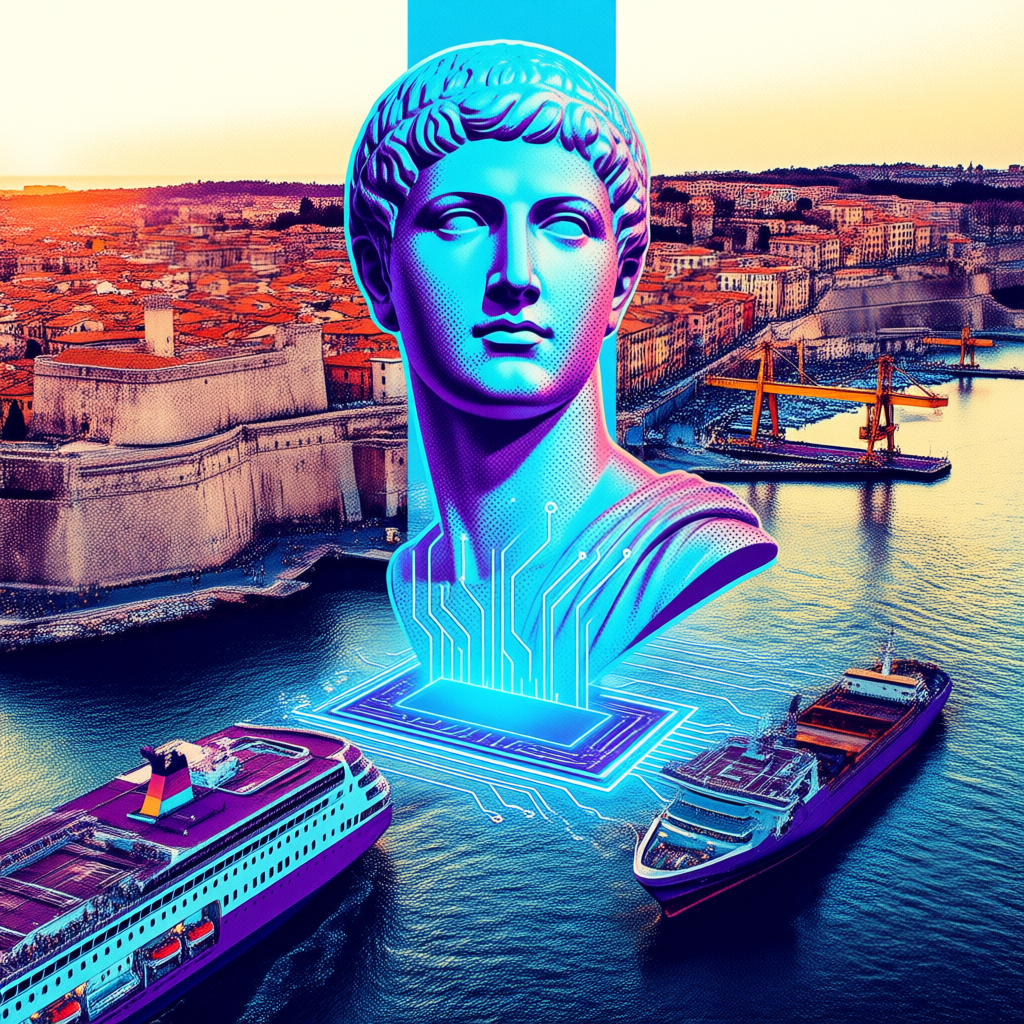
- Ancona is integrating AI to reconstruct historical figures for its 2028 cultural milestone.
- The project focuses on reviving voices and faces from the city's past to enhance tourism.
- Local university expertise is driving the technical implementation of these AI tools.
- The strategy aims to modernize the city's image while preserving its maritime and historical identity.
The intersection of generative artificial intelligence and historical preservation is moving beyond academic archives and into the physical streets of European cities. Ancona, a strategic maritime hub on Italy's Adriatic coast, has launched an ambitious initiative to breathe life into its ancestors. By utilizing AI to reconstruct the voices and faces of figures from its past, the city is attempting a digital resurrection designed to captivate a modern, global audience.
A strategic pivot toward the 2028 milestone
This technological leap is not a random experiment but a calculated move toward a specific goal. Ancona has been designated as the Italian Capital of Culture for 2028, a title that brings immense prestige and a significant influx of international visitors. To prepare for this appointment, city planners and cultural curators are rethinking how the city presents itself to the world. The objective is to move away from static museum displays and toward immersive, interactive experiences that leverage the current capabilities of synthetic media.
The city is focusing its efforts on three primary pillars: its deep historical roots, its vital port infrastructure, and a forward-looking embrace of innovation. By weaving AI into the narrative of the city, Ancona aims to create a bridge between its ancient origins and its future as a tech-integrated cultural center. This approach acknowledges that for a city to remain relevant in the global tourism market, it must offer more than just architecture; it must offer a living story.
The technical engine behind the revival
The realization of this vision relies heavily on the synergy between municipal government and academic excellence. The University of Ancona is serving as the primary technical engine for the project, providing the research and development necessary to ensure that the AI reconstructions are not merely caricatures but authentic representations of the past. This collaboration ensures that the deployment of AI is grounded in historical accuracy and academic rigor.
The process involves the use of sophisticated algorithms capable of synthesizing speech and generating visual avatars based on historical records, photographs, and written accounts. By reconstructing the voices and faces of historical figures, the city can create interactive guides or installations where visitors can engage in a simulated dialogue with the people who shaped the region. This transformation of the visitor experience from passive observation to active engagement is a hallmark of the new digital tourism economy.
Blending maritime identity with synthetic media
Ancona's identity is inextricably linked to its port, a gateway that has connected Italy to the East for centuries. The city is integrating its AI strategy with the revitalization of its waterfront. The goal is to create a cohesive narrative where the physical modernization of the harbor—including new lighting systems and infrastructure—complements the digital modernization of its history.
For the international entrepreneur or investor, this represents a broader trend in urban development: the creation of digital twins of cultural heritage. Instead of simply preserving a building, cities are now preserving the persona and the atmosphere of an era. This synthesis of the tangible (the port) and the intangible (AI-generated voices) creates a unique value proposition for the city, positioning it as a laboratory for cultural innovation in Europe.
Challenges of digital authenticity
While the project promises a more alluring image for the city, it also raises questions about the nature of historical truth. The use of AI to bring back voices from the past requires a delicate balance between entertainment and education. The risk of creating 'deepfake' history is a concern that the university partners must navigate carefully to maintain the project's integrity.
The operation of redefining a city's image to make it more alluring is never simple, requiring a constant dialogue between what was and what can be.
The project's success depends on the transparency of the AI's role. By clearly marking these interactions as AI-assisted reconstructions, Ancona can avoid the pitfalls of misinformation while still providing the emotional impact of seeing and hearing a historical figure. This balance is critical for maintaining the trust of both local citizens and international scholars.
Economic implications for the cultural sector
The move toward AI-driven tourism has direct implications for the local business ecosystem. The demand for specialized tech talent, content creators, and AI curators is expected to rise as the 2028 deadline approaches. This creates a niche market for startups specializing in 'Edutainment' and immersive history, potentially turning Ancona into a hub for cultural AI services.
Furthermore, the integration of AI into the city's cultural fabric is likely to attract a different demographic of tourists—tech-savvy travelers and digital nomads who are drawn to cities that experiment with the frontier of technology. This shift in visitor profile can lead to increased spending in the hospitality and service sectors, provided the city can scale its infrastructure to meet the new demand.
Global perspective: Implications for international firms
For businesses operating in the USA, UK, and global markets, Ancona's initiative serves as a case study in the commercialization of cultural AI. Companies specializing in generative AI, VR/AR, and digital archiving will find emerging opportunities in European municipalities that are seeking to modernize their heritage assets.
From a regulatory standpoint, firms implementing similar projects must be mindful of the diverging landscapes. In the US and UK, the focus remains largely on intellectual property and the rights of the deceased's estates regarding their likeness and voice. However, for projects within the EU, the AI Act introduces stringent requirements regarding transparency. Any AI system that generates or manipulates image, audio, or video content that resembles existing persons (deepfakes) must clearly disclose that the content is artificially generated.
International firms partnering with European cities must ensure their workflows are compliant with these transparency mandates to avoid significant penalties. The Ancona model demonstrates that while the creative potential of AI in culture is vast, the operational success of such projects depends on a rigorous framework of academic validation and legal compliance.
FAQ
What is the main goal of Ancona's AI project?
The city aims to use AI to reconstruct the faces and voices of historical figures to enhance its appeal as it prepares to become the Italian Capital of Culture in 2028.
Who is providing the technical expertise for these AI reconstructions?
The project is being developed in collaboration with the University of Ancona, which acts as a center of excellence for the required innovation.
How does this project integrate with the city's physical infrastructure?
The digital AI initiatives are being paired with physical upgrades, such as new lighting for the port, to create a comprehensive modernization of the city's image.
What are the regulatory concerns for companies doing this in the EU?
Under the EU AI Act, there are strict transparency requirements for synthetic content, meaning AI-generated voices and faces must be clearly disclosed as such.
Sources: Rainews, Msn, Aiglobalwire ·
Scrivila qui: Susanna, l assistente AI di glacom, ti risponde via email con un approfondimento gratuito.
Nessuna consulenza personalizzata (finanziaria, legale o medica): solo informazione e fonti. Email usata solo per rispondere.
oppure scrivile su: WhatsApp · Telegram · SimpleX · Delta Chat · Email